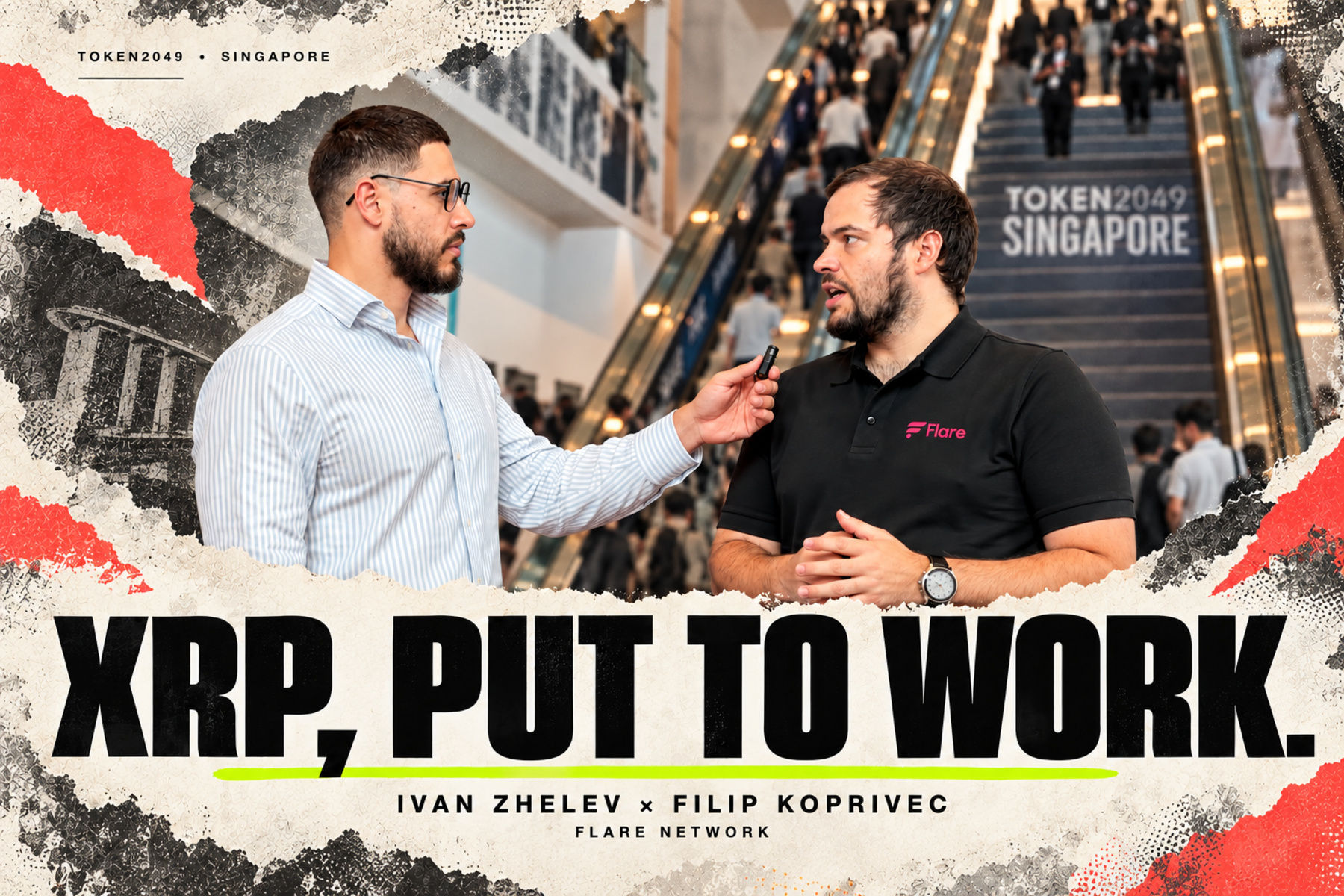
Flare’s Filip Koprivec explains why the next step for XRP is making yield and credit accessible from the wallet holders already use—and why simplifying the experience still requires painstaking work underneath.
The firms’ new MOU explores coordinated blockchain security, governance and assurance services, addressing the operational risks a smart-contract audit alone cannot cover.
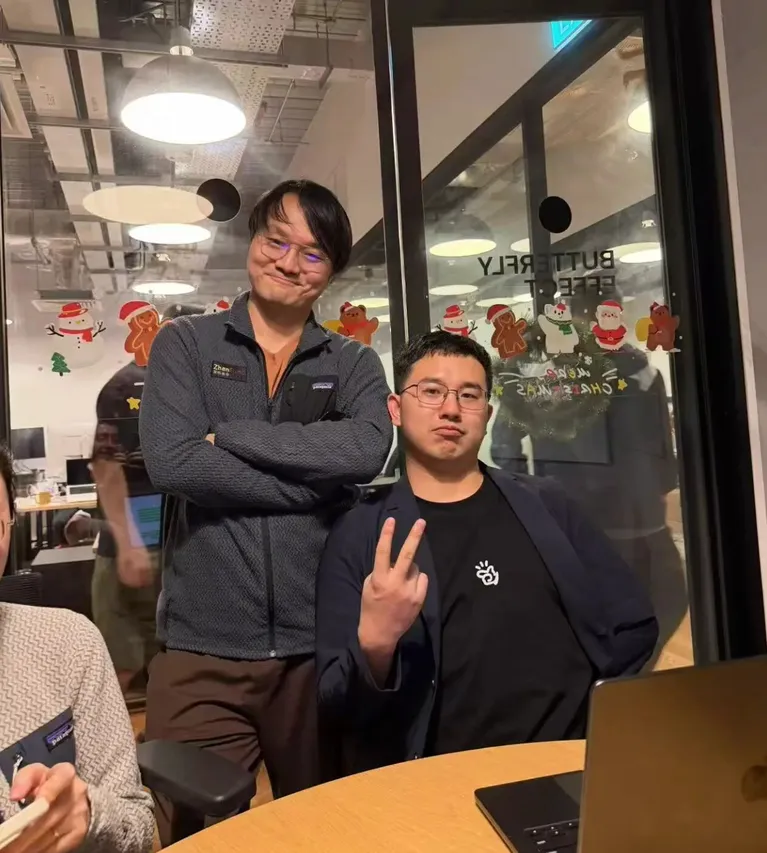
Meta’s acquisition of Singapore-based AI startup Manus isn’t just another big-tech AI deal. It’s a clear signal that the next phase of AI isn’t about better chatbots — it’s about agents that act, plan, and execute software on behalf of developers. (Cover photo: Manus team, Singapore Dec 2025)
Bitcoin slipped again this week, extending a stretch of subdued price action that has kept the market range-bound for weeks. On the surface, the move looks uneventful—another small dip in an already quiet market. But as Barron’s recently noted, this period of stagnation may be less about weakness and more about transition.
Consensus Hong Kong has built a reputation as one of the more serious global crypto conferences outside the US and Europe. It’s known less for spectacle and more for bringing together builders, investors, policymakers, and institutions who are actively involved in the region. Compared to other industry events, the focus has traditionally leaned toward infrastructure, regulation, and long-term strategy rather than short-term market narratives.
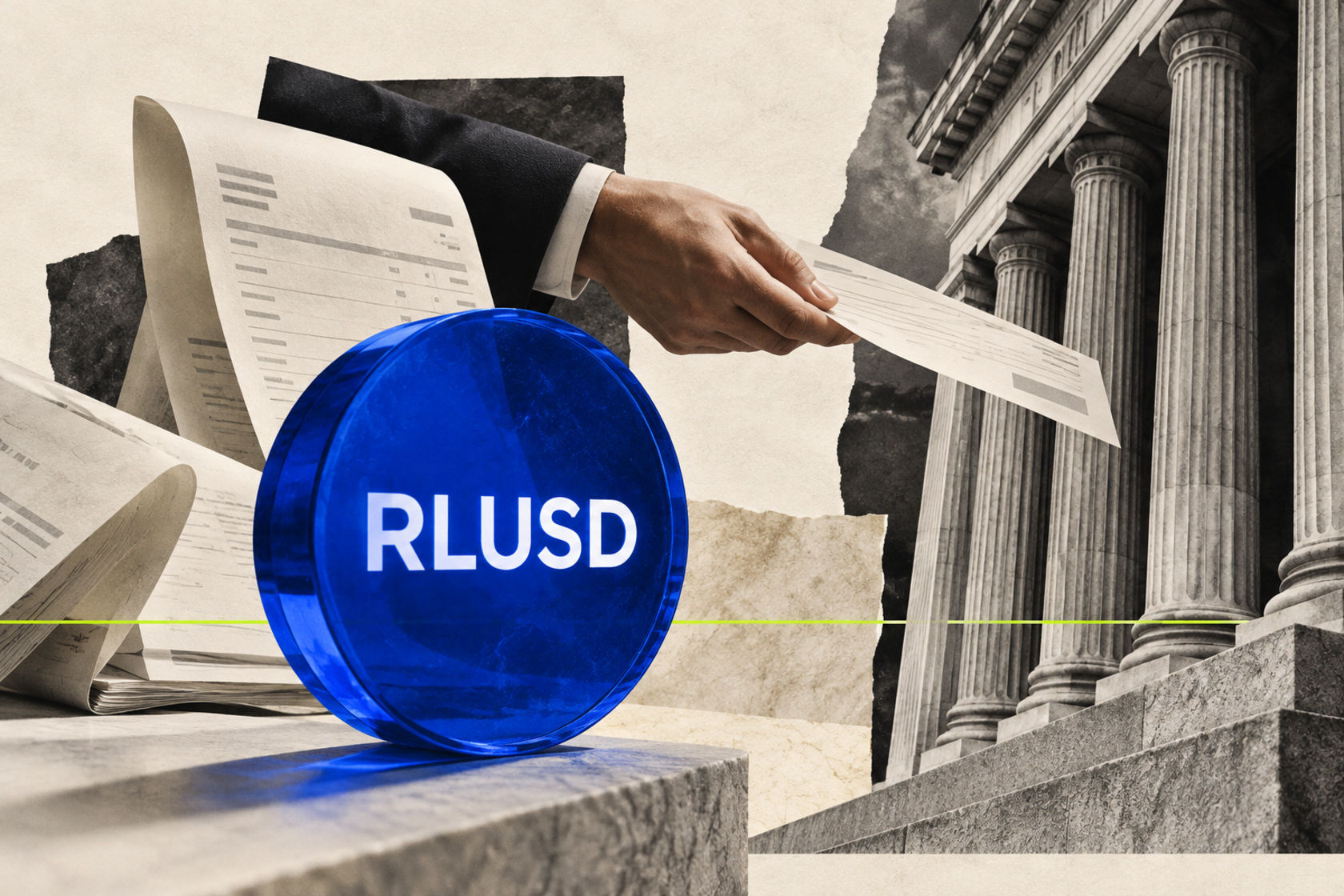
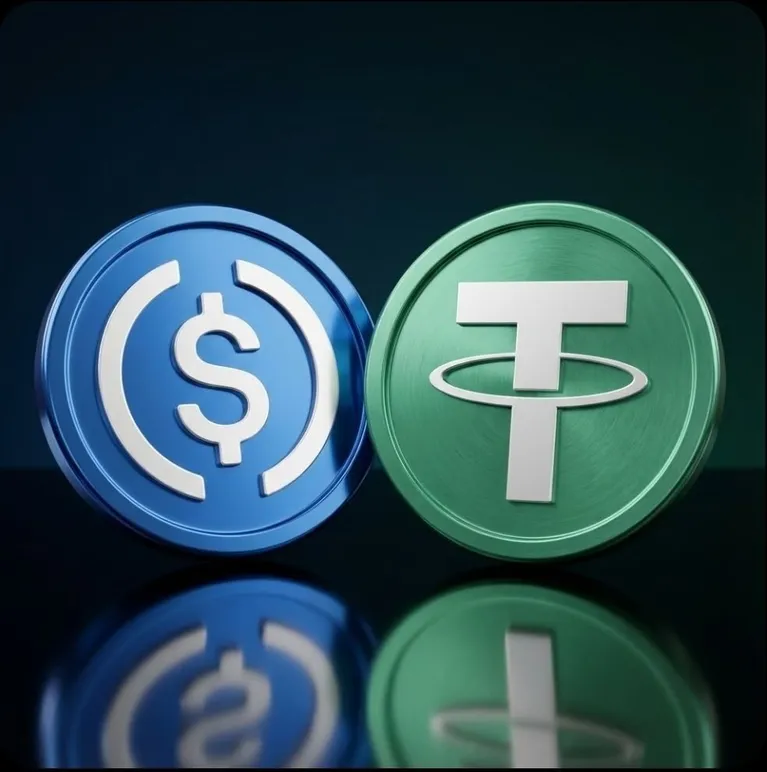
In 2026, U.S. accounting rules may take a meaningful step closer to the realities of digital assets. According to reporting from The Wall Street Journal, the Financial Accounting Standards Board (FASB) plans to explore whether certain crypto assets—including some stablecoins—could qualify as cash equivalents, alongside broader guidance on how companies should account for crypto transfers across blockchains.
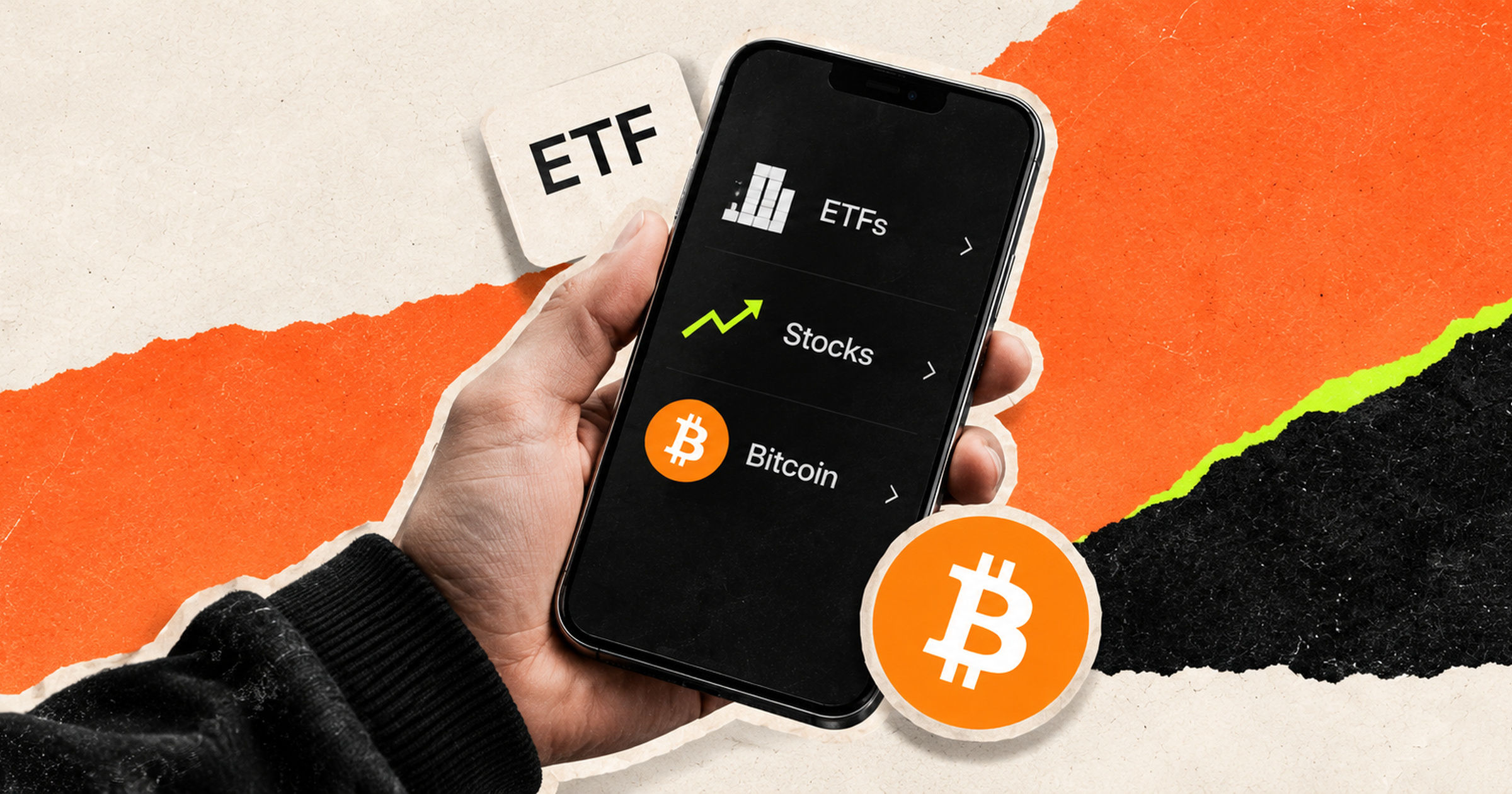
Crypto has always been driven by opinions. They spread on timelines long before capital ever moves. Influence lived in posts, not portfolios, and belief still required translation into action. Creator ETFs change that dynamic. Instead of following someone’s thinking and acting on it later, people can now invest directly in the worldview itself