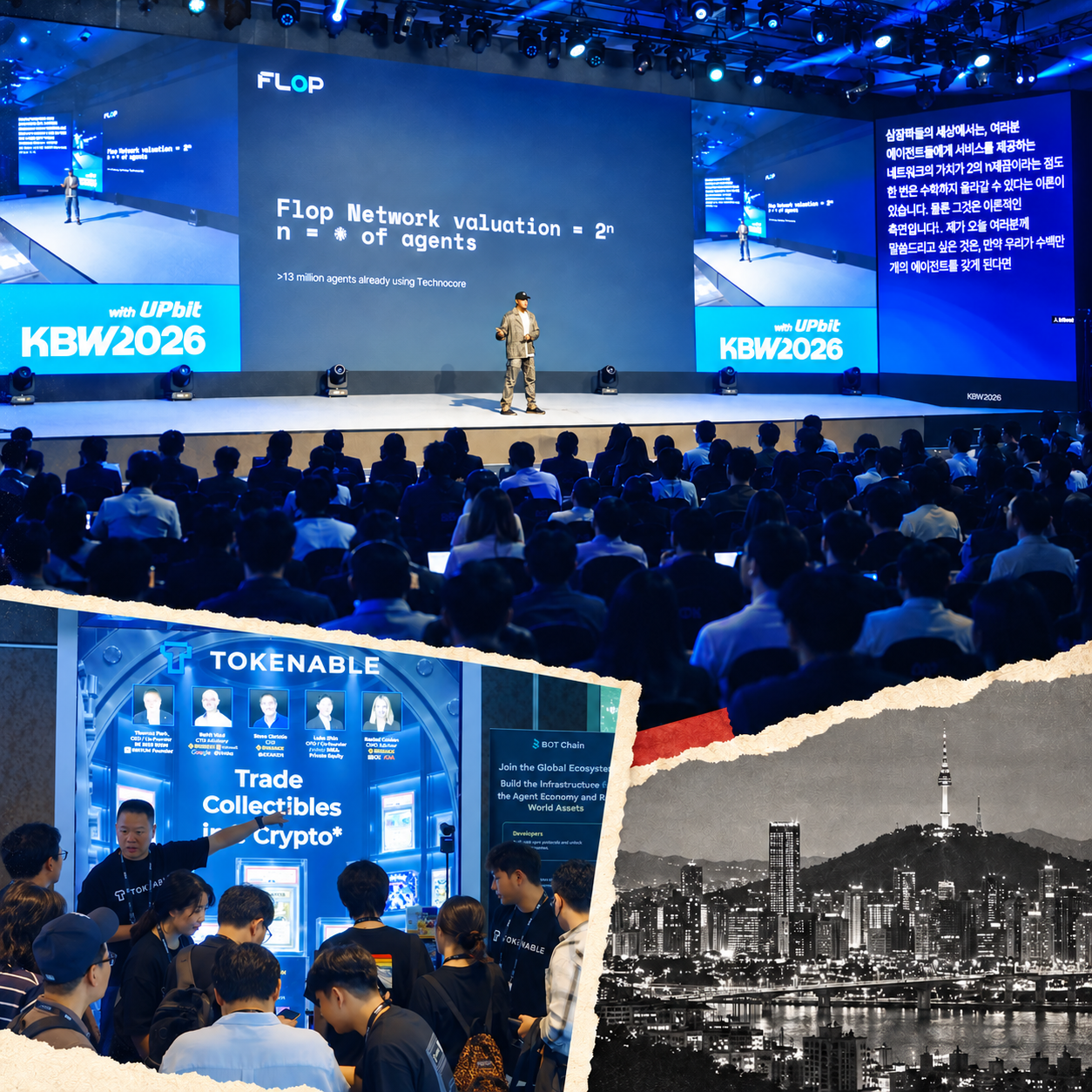
Consensus Hong Kong has built a reputation as one of the more serious global crypto conferences outside the US and Europe. It’s known less for spectacle and more for bringing together builders, investors, policymakers, and institutions who are actively involved in the region. Compared to other industry events, the focus has traditionally leaned toward infrastructure, regulation, and long-term strategy rather than short-term market narratives.
Over time, it’s become a place where Asia’s role in crypto is discussed not as a future possibility, but as a present reality. Taking place this February, Consensus Hong Kong is expected to set the tone for 2026 and here’s what you need to know about the event.
Post from @consensus_hkView the original post on X↗
A Conference Designed Around How People Actually Engage
One of the things Consensus Hong Kong has done well is acknowledge that not everyone comes to a conference for the same reason. Instead of funneling all attention into a single main stage, the event is structured around distinct stages that reflect how different parts of the ecosystem think, build, and participate.
The Auros Mainstage is where the broad narratives live. This is reserved for keynotes and conversations that have market-wide relevance, the kind of sessions meant to set context rather than dive into specifics. Expect high-level perspectives, macro views, and discussions that frame where crypto and Web3 are headed rather than how individual products work.
The Convergence Stage is more focused on finance and Bitcoin, bringing together conversations around the future of financial systems, global macro, and digital assets as they intersect with traditional markets. This stage tends to attract investors, institutions, and policymakers who are interested in how crypto fits into the broader economic picture, not just the latest trends.
At the Frontier Stage, the emphasis shifts toward what’s emerging. With a focus on AI, robotics, and forward-looking technologies, this is where experimental ideas and longer-term bets are explored. Sessions here are less about immediate adoption and more about where technology could meaningfully change how systems operate over time.
The Spotlight Stage is designed for moments that deserve focused attention. This is where high-impact announcements, curated conversations, and timely discussions take place. It’s less about scale and more about significance, giving space to ideas or updates that benefit from a more intimate setting.
Post from @consensus_hkView the original post on X↗
For those looking to go deeper, the Exploration Stage offers technical and specialized sessions. This is where attendees can dig into specific areas of crypto and blockchain, from protocol design to emerging use cases. It’s practical, detailed, and aimed at people who want to leave with a clearer understanding rather than a broad impression.
Outside of the talks themselves, the Hackathon plays a central role in grounding the event in actual building. With hundreds of developers participating, it reinforces the idea that Consensus Hong Kong isn’t just about discussing the future, but actively working on it in real time.
Finally, CoinDesk Live extends the conference beyond the room. With wall-to-wall coverage and live reporting, it captures the conversations as they happen and makes them accessible to a wider audience. It’s a reminder that the event isn’t just for those in attendance, but part of a broader industry dialogue.
Taken together, the stages reflect a conference designed around intent rather than spectacle. Whether someone comes to listen, build, debate, or connect, the structure makes it clear where they’re meant to spend their time.
Crypto Is Nothing Without Creativity
Consensus Hong Kong has always positioned itself as more than a technical or financial gathering, and this year’s partnership with CoinDesk and artist allseeingSeneca reinforces that identity. By foregrounding art and creativity alongside builders and infrastructure, the conference is making a clear statement about how it sees crypto culture.
Post from @consensus_hkView the original post on X↗
This isn’t just about protocols and policy, but about expression, experimentation, and the people who shape how the space feels as much as how it functions. Bringing art directly into the conference experience reflects a broader understanding that Web3 has never been purely economic, it has always been cultural as well.
Consensus Hong Kong’s emphasis on creativity extends well beyond what happens on stage. It shows up just as clearly in how the conference thinks about gathering people after hours. The parties and side events are not treated as peripheral add-ons, but as a core part of the experience, designed to reflect the same blend of culture, experimentation, and community that defines the space itself.
The opening night at The Trilogy sets that tone early. Rather than a single-room reception, the venue offers multiple environments within one space, allowing different kinds of interactions to happen simultaneously. Some people come to talk through ideas sparked during the day, others to unwind and dance, and many move fluidly between the two. The setting, overlooking the Hong Kong skyline, reinforces the sense that this is not just a conference kickoff, but an intentional introduction to the city and its energy.
Midweek, the Consensus Cup at Happy Valley Racecourse leans into Hong Kong’s local character. By situating a major gathering within one of the city’s most iconic venues, the event blends tradition with a modern Web3 crowd. It’s less about formal networking and more about shared experience. Watching races, placing bets, and spending time in a setting that feels distinctly Hong Kong creates a different kind of connection than a standard industry mixer ever could.
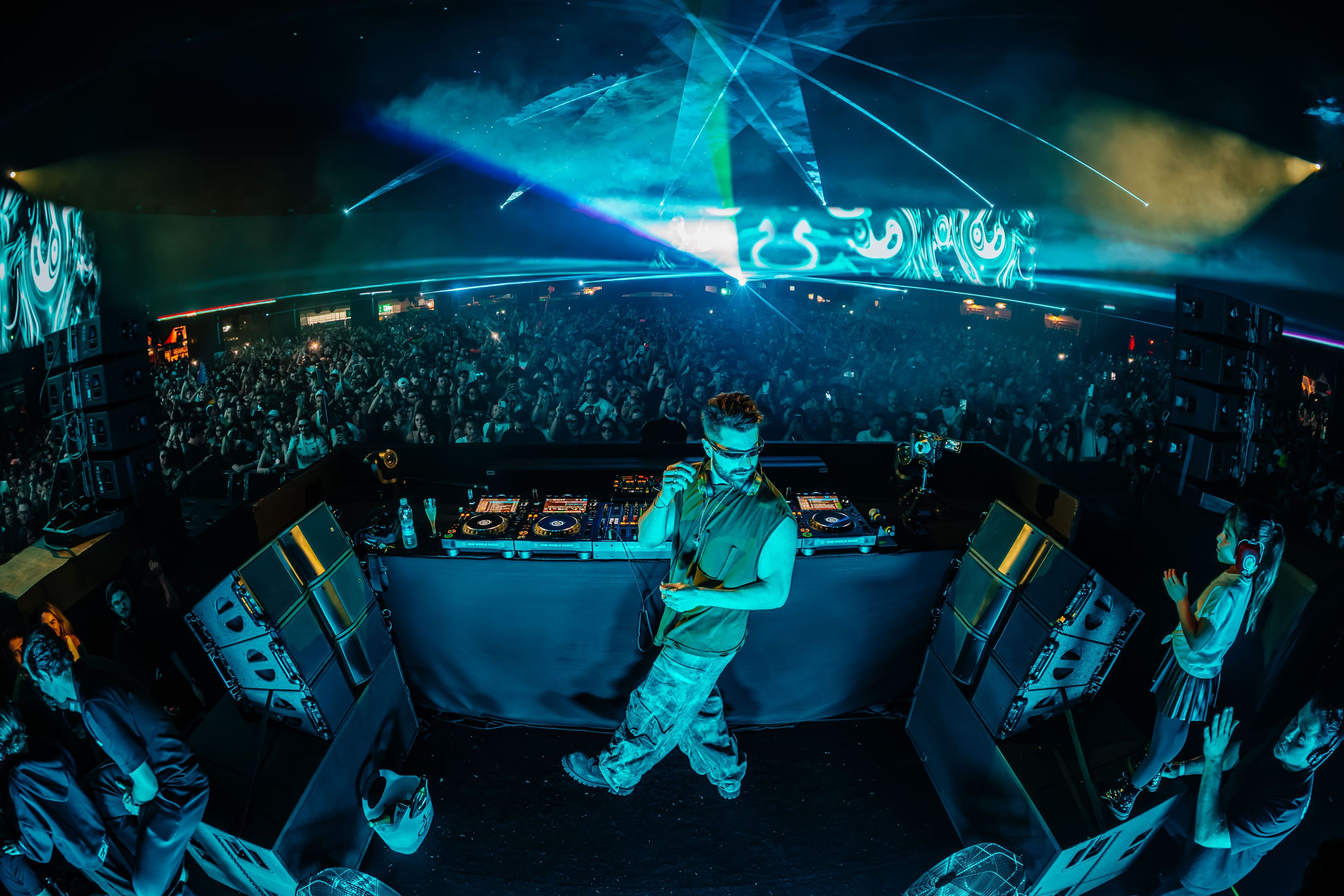
The closing Consensus HK After Party, produced in collaboration with The Best Event, brings that creative arc to its peak. With international DJs, immersive lighting, and a crowd made up largely of founders, investors, and creators who have spent the week together, it feels like a release rather than a routine send-off. The focus is on atmosphere rather than hierarchy, with an emphasis on openness and energy instead of exclusivity.
Post from @consensus_hkView the original post on X↗
Beyond these anchor events, the city-wide network of side events running all week fills in the rest of the picture. From small gatherings and dinners to larger social events spread across Hong Kong’s venues, these moments create space for conversations that don’t fit neatly into panels or meetings. They are where collaborations often begin, not through formal introductions, but through shared time and context.
Speakers Attending Consensus Hong Kong 2026
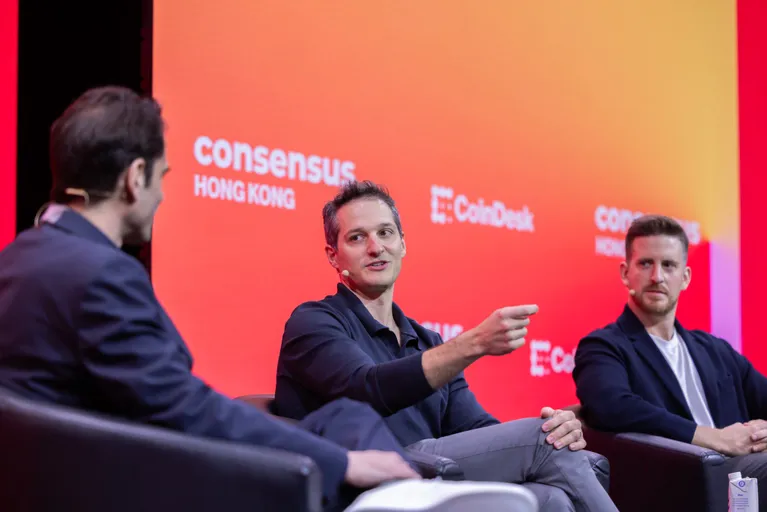
The speaker roster at Consensus Hong Kong reinforces the same theme running through the rest of the event. This isn’t a conference built around a single narrative or ideology, but one that brings together different parts of the crypto stack that rarely share the same stage.
On the protocol and ecosystem side, voices like Lily Liu and Charles Hoskinson represent two very different approaches to building foundational infrastructure. Having both perspectives in the room highlights how plural the future of blockchains still is, and why no single design philosophy has definitively won.
From the exchange and market infrastructure layer, figures such as Richard Teng, Tom Farley, and Joseph Chalom bring insight into how crypto markets are maturing operationally. Their presence signals that the conversation has moved beyond experimentation and toward questions of scale, compliance, and durability.
Traditional finance and macro perspectives are also well represented.
Tom Lee and Anthony Scaramucci bridge the gap between crypto-native thinking and broader capital markets, helping frame how digital assets fit into global investment strategies rather than existing in isolation.
Web3 entrepreneurs like Justin Sun and Joseph Lubin add another dimension, representing builders who have navigated multiple cycles and business models. Their participation brings institutional memory to the discussion, something the industry often lacks during periods of rapid change.
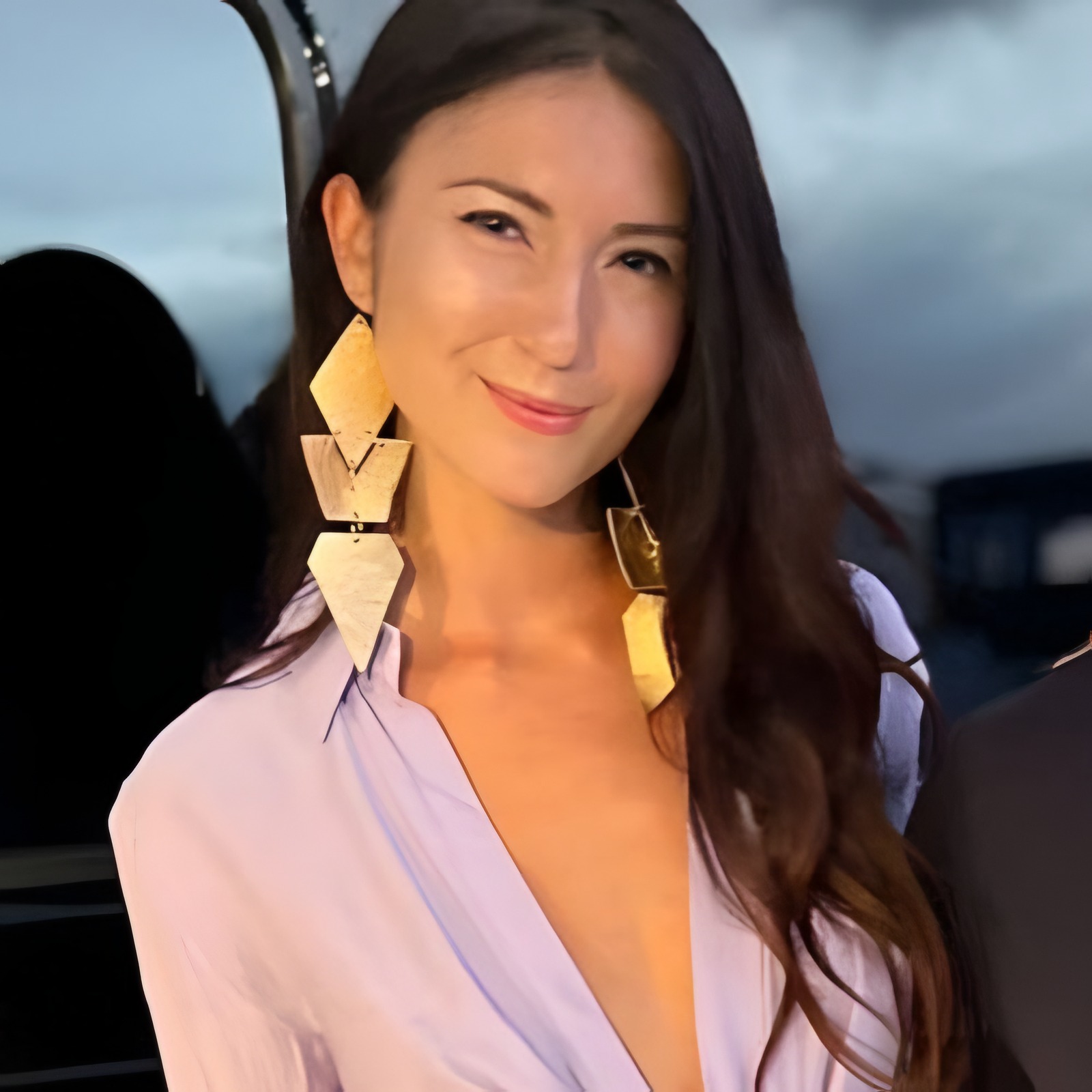
Finally, representation from Asia-focused institutions matters just as much. Leaders like Ella Zhang, Yimei Li, and Johann Kerbrat underscore the regional reality shaping the next phase of Web3. Their presence reflects where users, capital, and regulatory experimentation are already happening, not where they might be someday.
This is not the full list of speakers attending and interested participants are encouraged to see the complete list for more information.
Post from @consensus_hkView the original post on X↗
Final Thoughts
Taking place from February 10–12, Consensus Hong Kong arrives at a moment when the crypto industry is clearly recalibrating how it comes together. Rather than centering everything on price, hype, or short-term narratives, the event reflects a broader shift toward continuity and structure.
Reporting by Lidia Yadlos