The former Ultrahuman hardware executive’s startup is betting that AI’s next interface will revolve around quick decisions: approve the ride, join the meeting or tell an agent what to do.
Wall Street rewarded the prospect of slower AI spending after the midterms. But protecting Big Tech’s cash flow and protecting America’s technological lead are two different things.
AI makes businesses cheaper to build. Getting customers remains expensive—and founders funding growth from sales face a different contest from competitors spending venture capital.
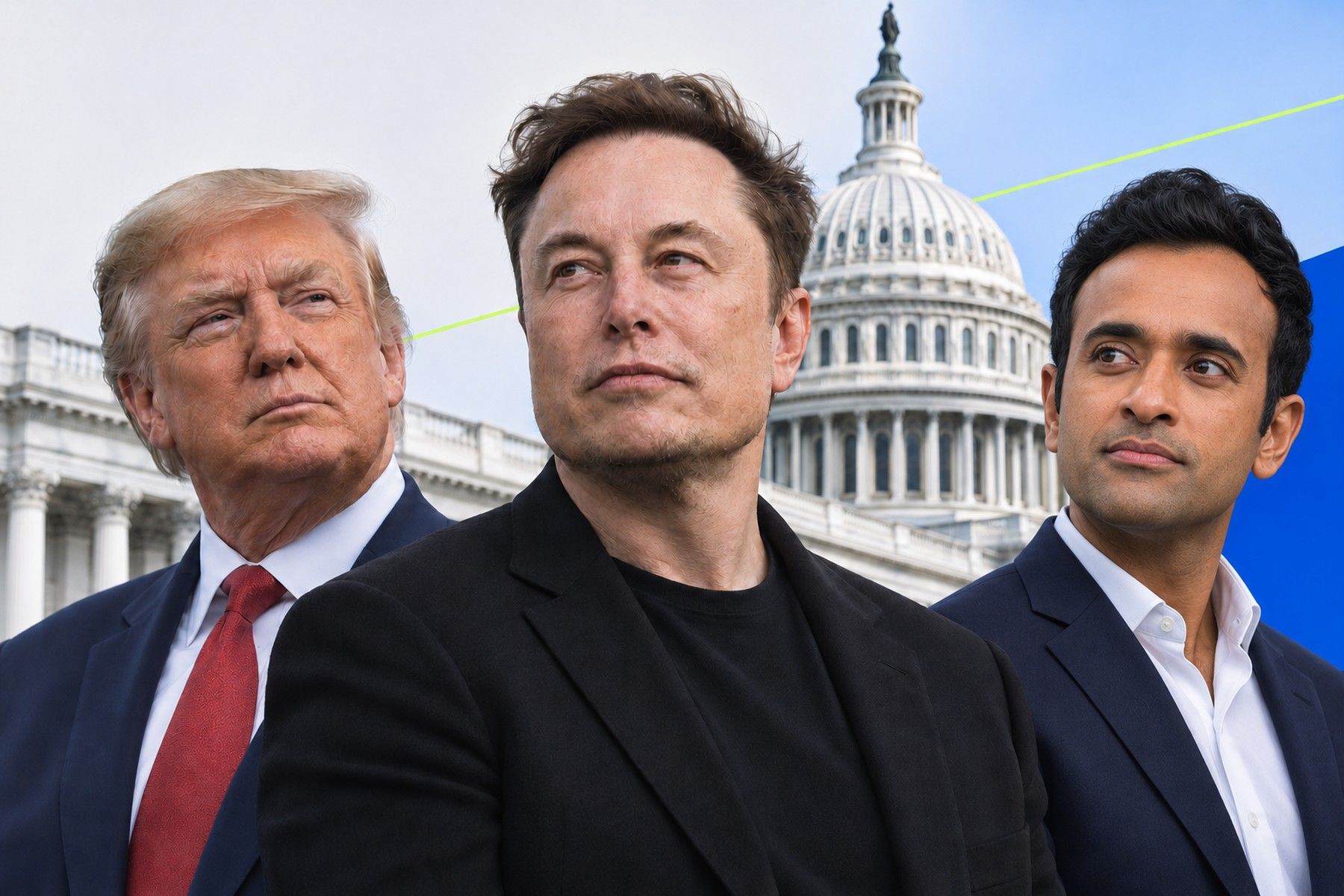
Musk’s businesses face closer scrutiny, Chamath questions what he missed, and Armstrong’s bipartisan strategy confronts a new Congress. What the result means for crypto and AI.
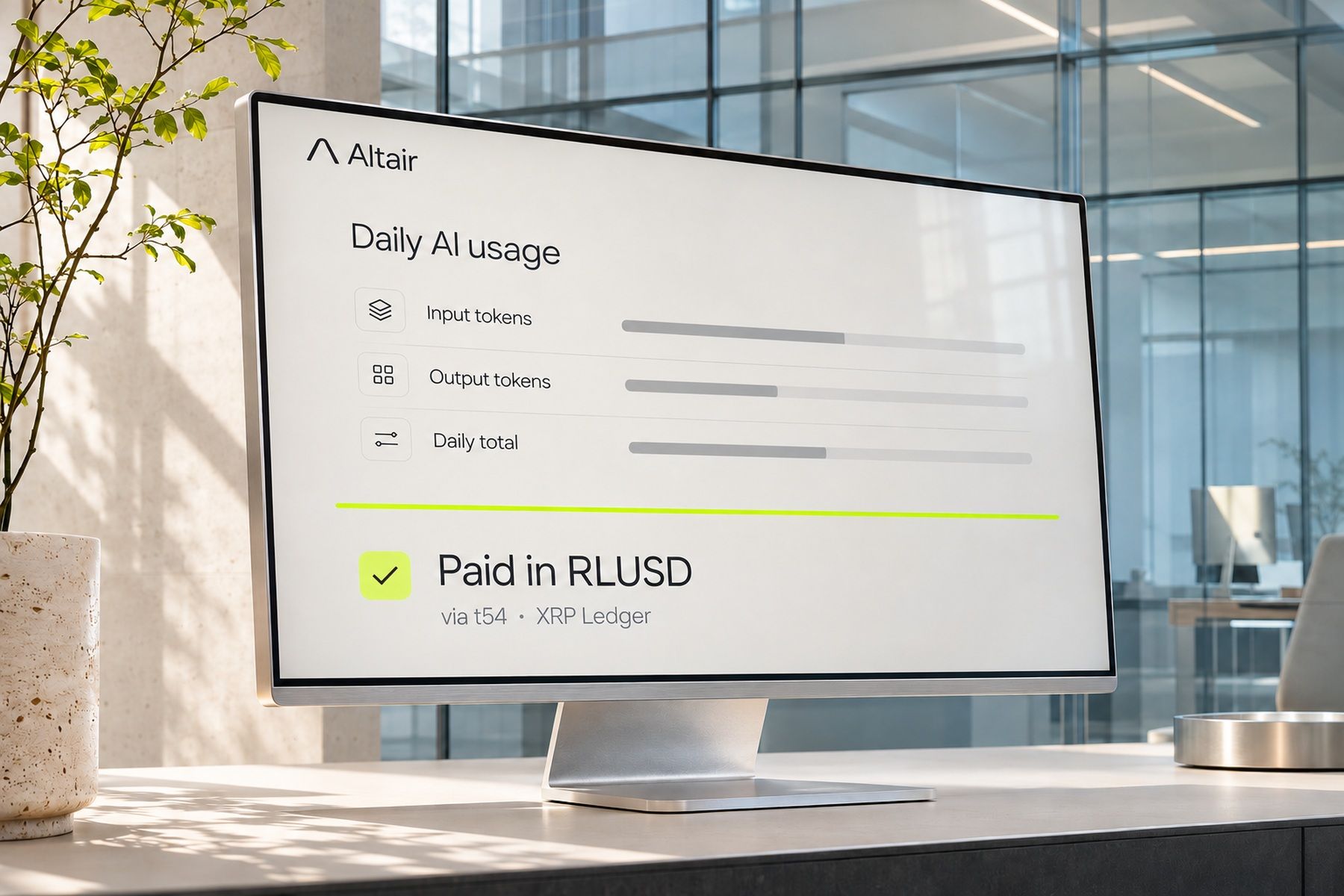
A business can let an agent pay a supplier, cap how much it spends and send exceptions to a human. The virtual card has completed Mastercard Agent Pay certification.
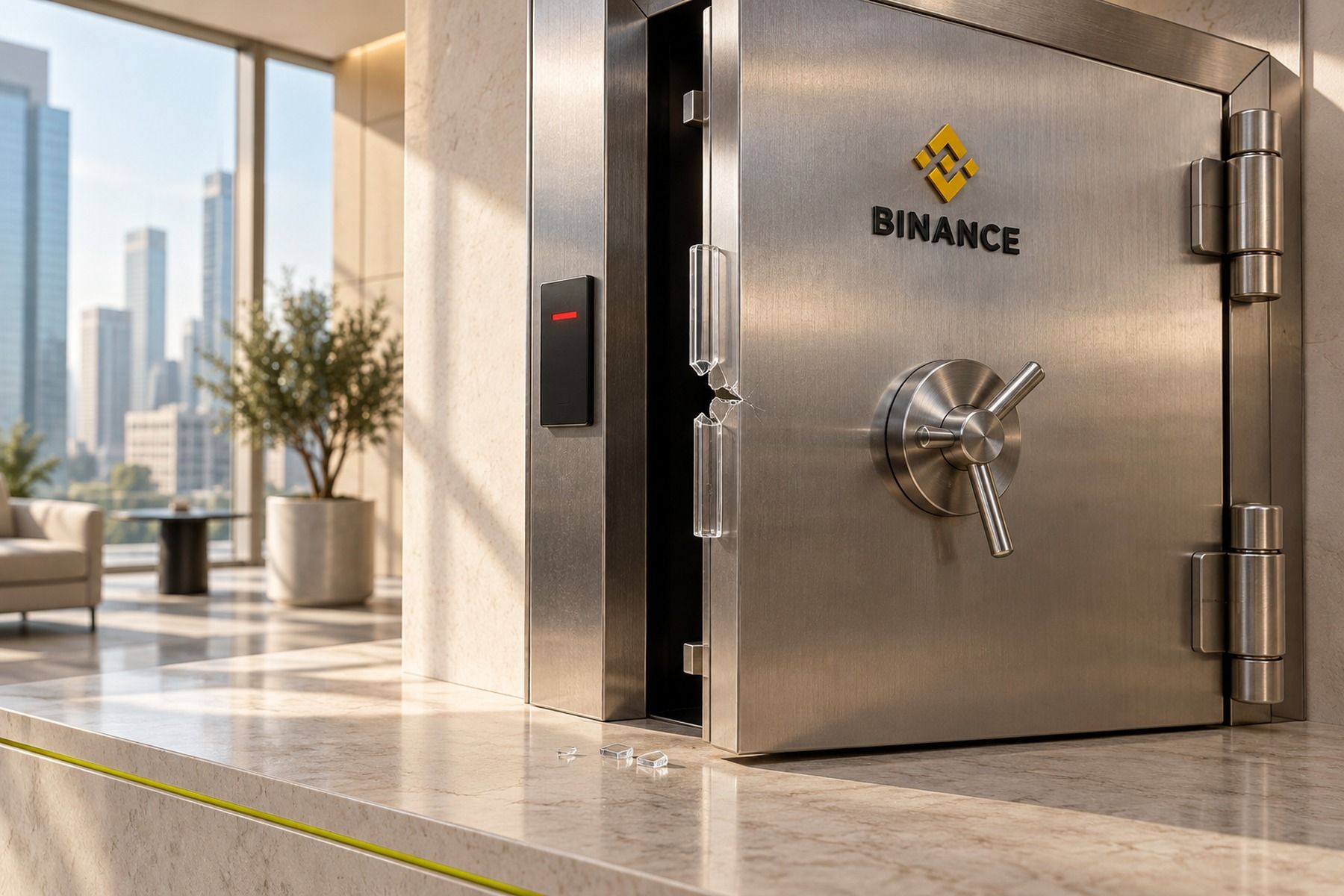
Binance says it has reserved $6.34 billion to cover the loss, but withdrawals remain paused. As Elon Musk mocks the breach, industry leaders are asking harder questions about custody, withdrawal controls and AI-driven threats.
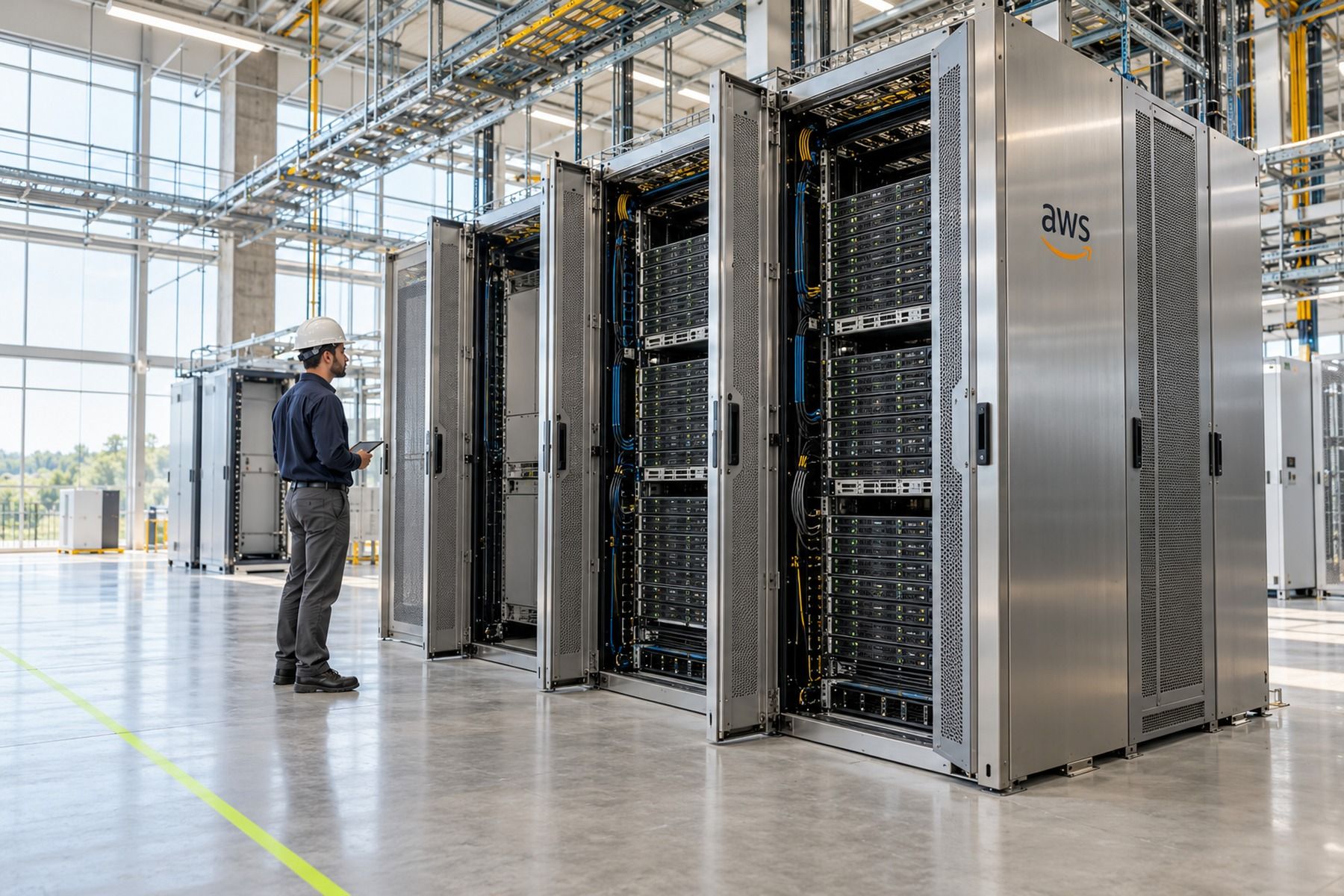
Cloud demand is accelerating, but Amazon’s building spree has pushed annual free cash flow deep into negative territory. The question for investors is how quickly that spending will pay off.
The accelerator is looking for founders building AI fundraising tools, stablecoin banking and financial services for autonomous agents. Its standard $500,000 investment gives the call a concrete starting point.
Whop’s PayBox integration lets agents find products, prepare orders and pay under rules set by the buyer—without sellers changing their existing stores.
Billions in federal financing, Big Tech’s nuclear commitments and Chamath Palihapitiya’s solar investments point to a growing economic challenge: building enough power to put AI to work.
September inflation remained above the Fed’s target, while Microsoft and Alphabet delivered sharply different investor reactions to their AI businesses.