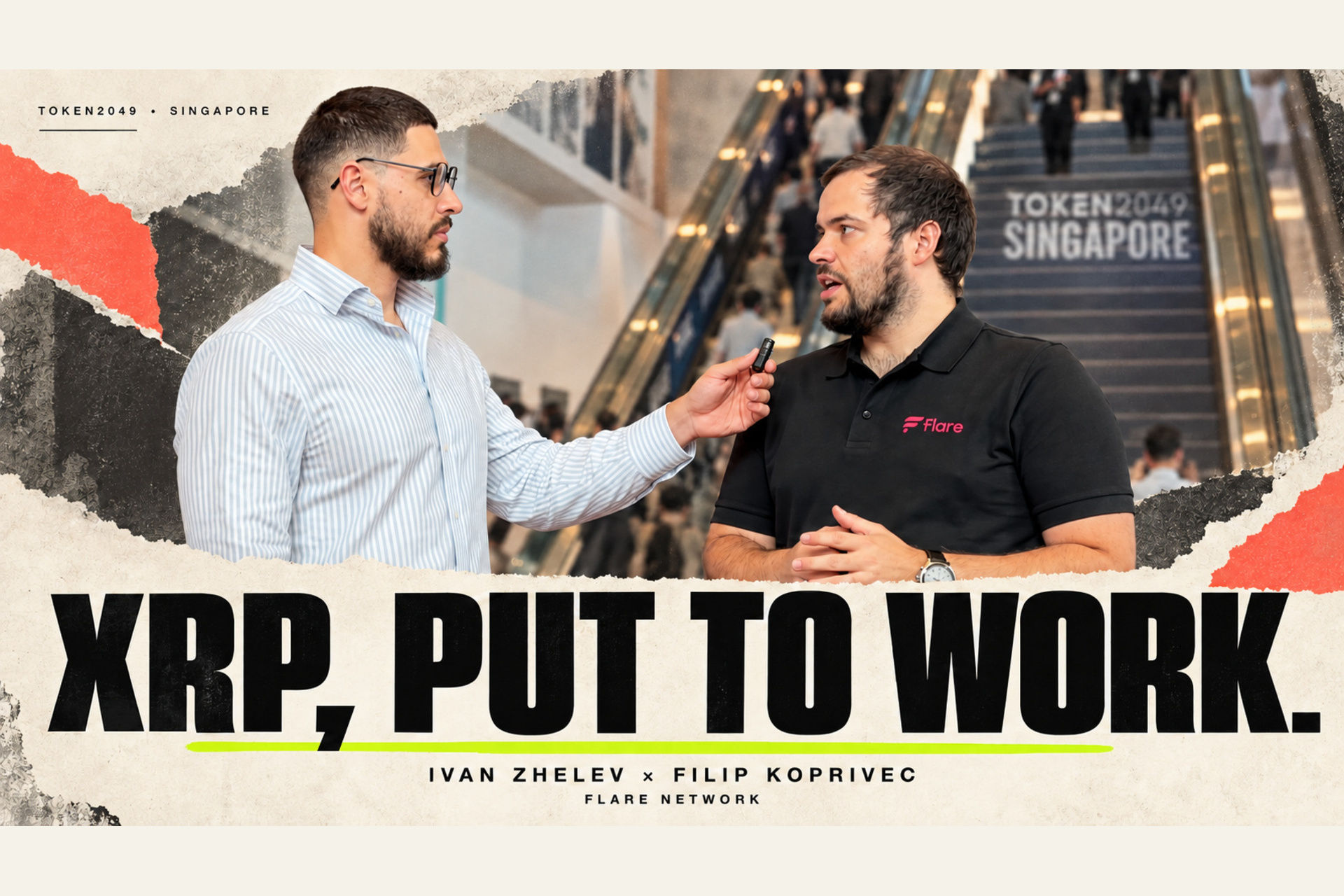
Flare’s Filip Koprivec explains why the next step for XRP is making yield and credit accessible from the wallet holders already use—and why simplifying the experience still requires painstaking work underneath.
TrustLinq has added RLUSD-funded bank payments across more than 190 countries and 80 currencies, letting holders pay businesses and individuals who receive ordinary money in their bank accounts.
2025 was not a year traders will look back on too fondly. For much of the prior cycle, perpetual swaps were a dependable engine of yield. Funding rate arbitrage, basis trades, and delta-neutral strategies offered what felt like structurally sound alpha.
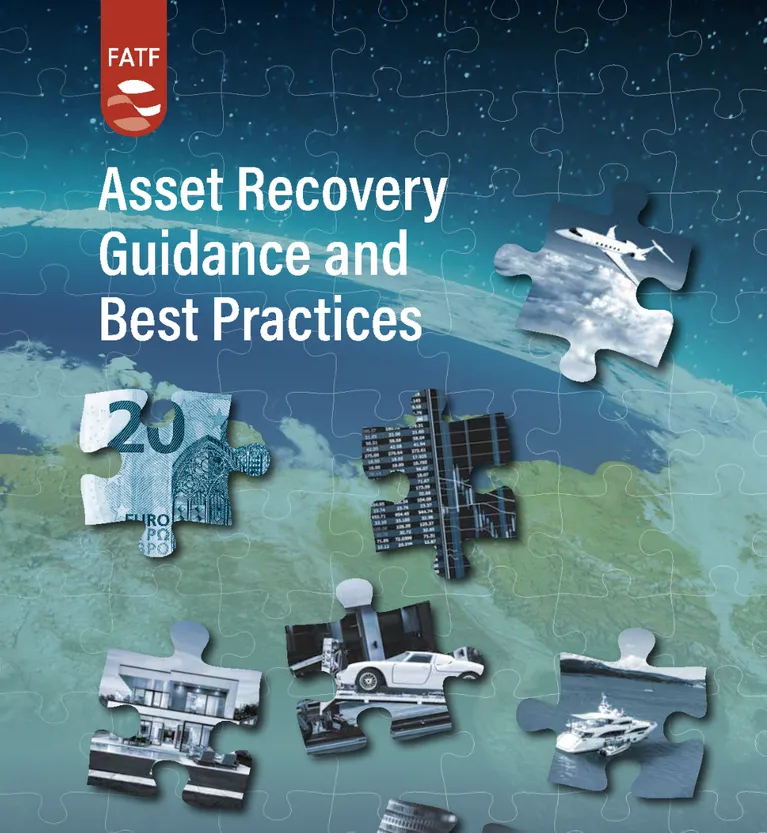
The Financial Action Task Force (FATF) has formally recognized the T3 Financial Crime Unit (T3 FCU) as a leading example of how public blockchains can be used to combat illicit activity through real-time, coordinated enforcement.
Nexo is rolling out a new borrowing product aimed at one of crypto’s longest-standing pain points: accessing liquidity without interest costs, forced liquidations, or constant risk management.
Brale has expanded its stablecoin issuance platform to the Algorand blockchain, giving businesses an easier way to launch fully regulated, fiat-backed stablecoins on a fast and secure Layer-1 network
Rumble is taking a direct step into the crypto-native creator economy. The video platform has officially launched Rumble Wallet, a non-custodial crypto wallet built directly into the Rumble experience, enabling creators to receive payments and tips in BTC, USDT, and Tether Gold (XAUt) without relying on banks, ad networks, or traditional payment processors.