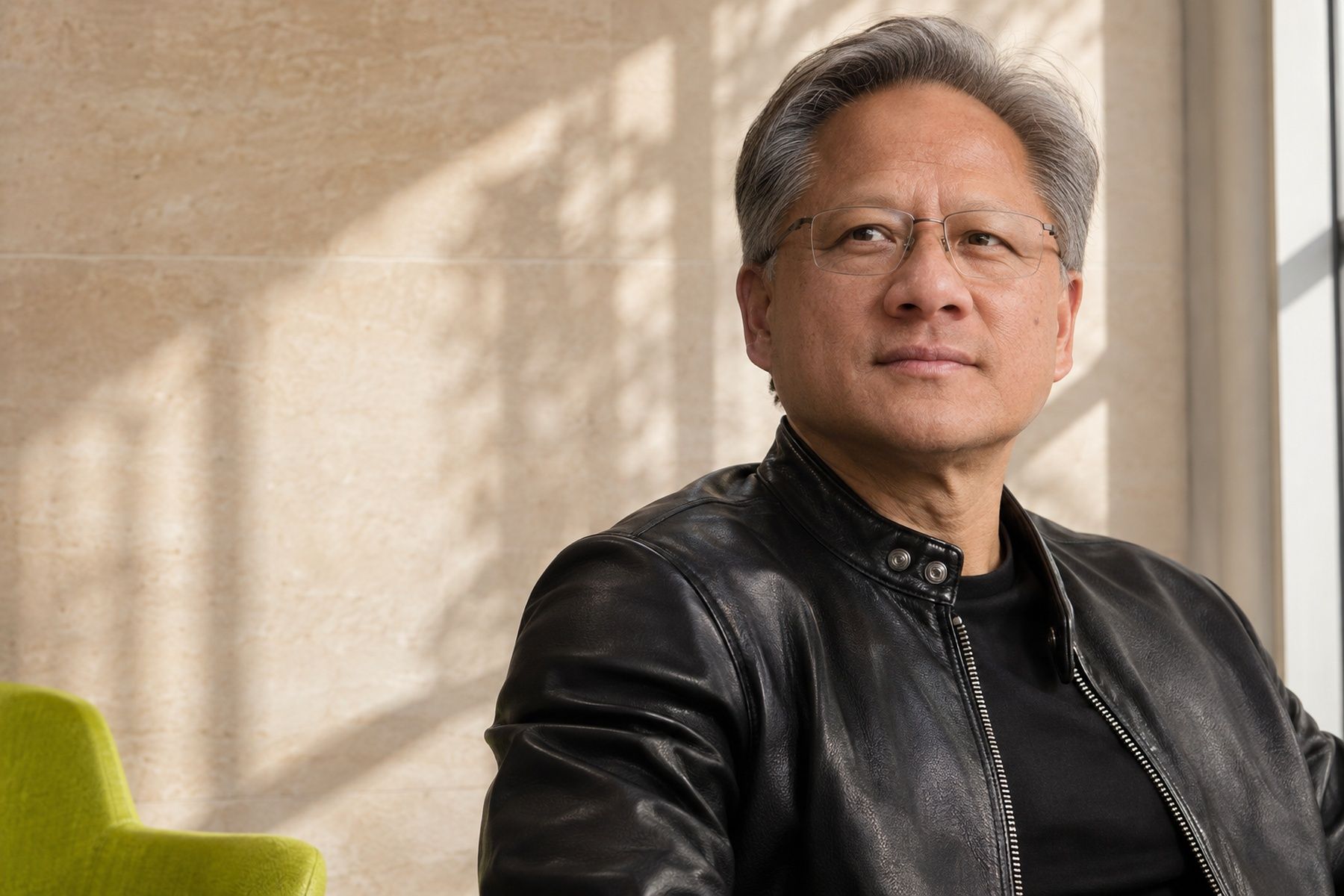
Jensen Huang's departure has turned into a fight over whether he should return. The Financial Times reported on Sunday, in an account carried by Reuters, that the Nvidia co-founder had discussed a possible comeback with confidants. Allies were organizing support for his reinstatement.
That is a report about discussions, not an announcement of his return. Nvidia's confirmed position remains that Colette Kress is interim chief executive while the board searches for a permanent successor. She also retains the chief financial officer role.
For investors, the timing makes the leadership question harder to separate from the business. Nvidia reports quarterly results on Tuesday, November 17. Shareholders are about to hear how the company is performing while a highly public campaign argues that its founder is essential to what happens next.
The campaign follows Nvidia’s roughly $430 billion loss across two sessions last week, which showed how quickly leadership uncertainty could affect the company’s market value.
Musk's argument is about relationships
Elon Musk has publicly backed the campaign. His November 14 post made a specific business claim: Huang's personal relationships helped secure supply, and some arrangements could be lost without him. That is Musk's assessment, not a disclosed cancellation of an Nvidia contract.
Post from @elonmuskView the original post on X↗
The distinction matters. A customer explaining why a founder is valuable can provide useful insight. It does not establish that shipments have stopped, suppliers have withdrawn commitments or a product roadmap has changed.
Musk's argument does, however, identify the question investors will want management to answer: how much of Nvidia's execution rests on the institution, and how much depends on relationships associated with one person?
Investors are pressing the board, too
Atreides Management's Gavin Baker posted a letter sent to Nvidia's board on November 13, aligning himself with Altimeter Capital's Brad Gerstner. Baker separately said he supported immediate reinstatement while an independent investigation proceeds.
Post from @GavinSBakerView the original post on X↗
This is shareholder pressure, not a board decision. Support from prominent investors may influence the debate, but readers should keep the campaign and the company's formal announcements separate. The reported possibility of a return can move sentiment before it changes the leadership structure.
For context, Blockster covered Huang's departure and Kress's appointment last week. The new development is the effort to reverse that outcome—not a completed reversal.
Tuesday's earnings provide a concrete test
Nvidia's earnings schedule calls for third-quarter fiscal 2027 results at approximately 4:20 p.m. Eastern on November 17, followed by the earnings call at 5 p.m. Eastern. The quarter ended October 25. Written commentary from Kress is scheduled alongside the results, followed by prepared remarks and analyst questions on the webcast.
The useful questions are practical: what does management say about customer commitments, supply availability and delivery schedules? Does the outlook change? And can leadership explain how the business continues operating through the transition?
The results also arrive after crypto’s $2 billion weekend liquidation wave. These are distinct market events, but together they put investors’ appetite for risk under scrutiny.
In Nvidia's transition announcement, Kress emphasized the team behind the company:
“NVIDIA’s strength has always come from its people”
— Colette Kress, Nvidia interim CEO and CFO
Nvidia's board said it expected operations, customer commitments and the product roadmap to continue without interruption. Tuesday gives investors an opportunity to assess that statement against management's financial outlook and answers.
Beyond the leadership debate, Alibaba’s Qwen4-Max launch and focus on cost per completed task illustrate the pressure on AI providers to turn computing investment into useful, affordable services.
For now, there are two developments to follow: the campaign around Huang and the company under Kress. A reported comeback may dominate the conversation, but only an official leadership decision would change who is running Nvidia.
Reporting by Sasha Steenkamp