If an AI assistant already knows you need a ride to work, why should booking it still require opening an app?
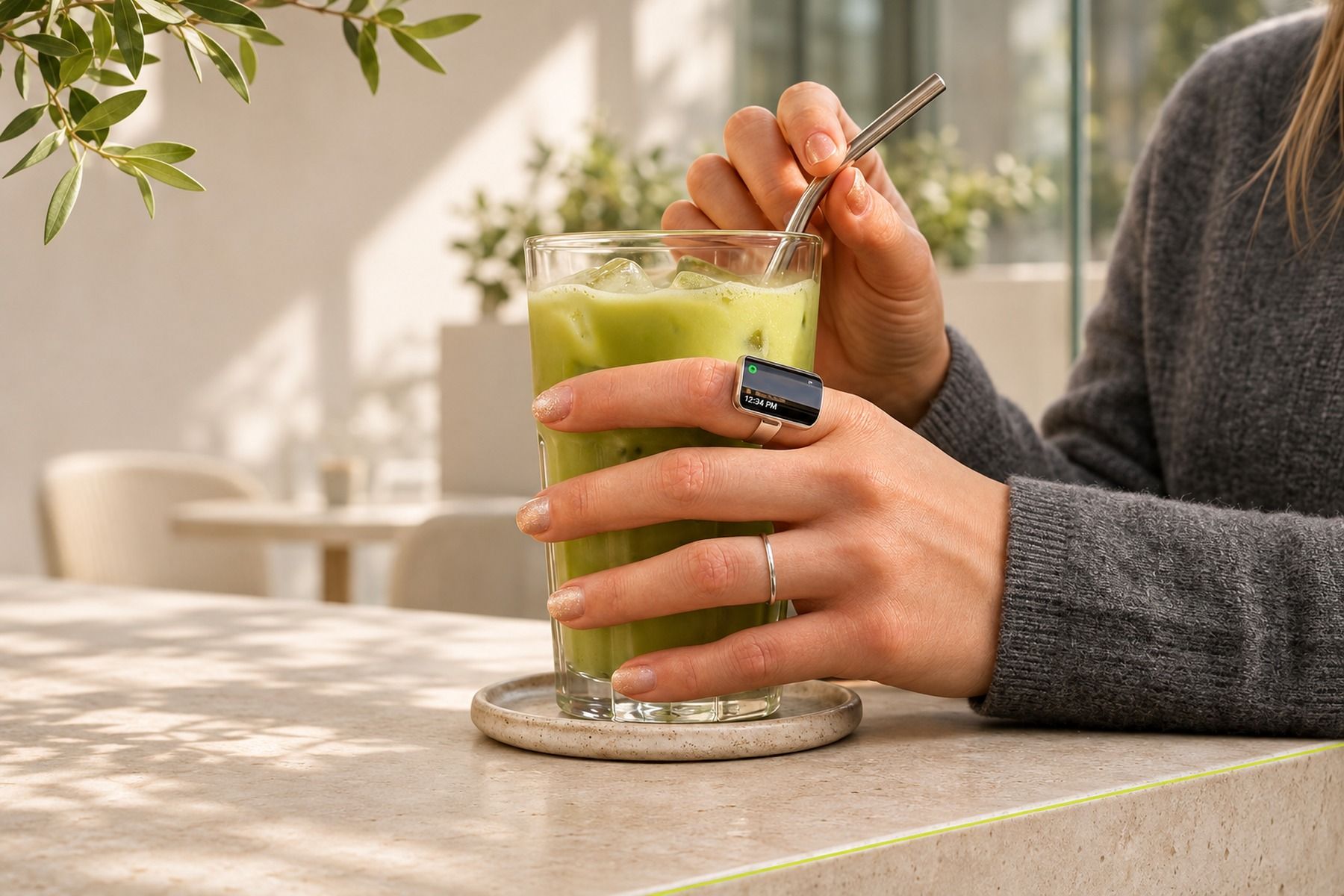
That is the idea behind Aina, a new AI ring with a screen, microphone and speaker. Unveiled on November 5, the device is designed to suggest useful actions and let its wearer approve them with a thumb gesture.
Preorders start at $399 for limited early-bird units, with a standard list price of $499. The company’s announcement targets January 2027 for shipping.
Founded by former Ultrahuman VP of Hardware Apoorv Shankar, Aina is building around a specific view of AI’s future: software will increasingly prepare the next step, while people decide whether it should happen.
A Ring That Learns Your Routine
Aina says its software draws context from a connected phone, Mac and AI agents, using information such as calendar events, location and app-usage patterns to anticipate what the wearer might need.
Its announcement describes predicting the next three likely actions. The ring’s display presents individual suggestions, called Cues, for the user to approve.
A regular morning commute could trigger a shortcut to book an Uber. An approaching meeting could bring up a join control. Running late could prompt an offer to send an email.
These are the company’s proposed everyday uses. The central interaction is simple: Aina prepares a suggestion, and the wearer decides whether to act. Its website says leaving a Cue alone will not execute it.
Post from @lazyapproveView the original post on X↗
Voice, Suggestions and Remote Controls
The ring combines three main functions:
| Function | What Aina says it enables |
|---|---|
| Voice | Hold the center button to speak to connected agents, dictate a note or request an action. A built-in speaker also supports calls. |
| Cues | Receive suggestions based on routines and context, then approve them with a gesture. |
| Remote | Control the current activity, including music, meeting settings and supported connected devices. |
In a meeting, for example, the ring can provide microphone and camera controls. While listening to music, it becomes a playback remote.
The product initially supports iPhone and Mac. Aina’s FAQ specifies iOS 18 or later and macOS 15 or later; Android and Windows are not currently supported. The ring depends on those connected devices, with Mac meeting controls running through the companion app.
The Next Interface Could Be an Approval Button
The broader idea becomes more interesting as agents take on tasks that involve other applications, bookings and purchases.
Giving an agent instructions is one interaction. Reviewing what it intends to do is another. Aina wants to make that second interaction quick enough to fit into everyday life.
Shankar put it this way in the launch announcement:
“Hardware interfaces beyond the phone will be built for voice and quick approvals, and Aina is designed for that future.”
— Apoorv Shankar, founder of Aina
That connects with a question already running through agent commerce: how do people keep control as software becomes more capable of acting?
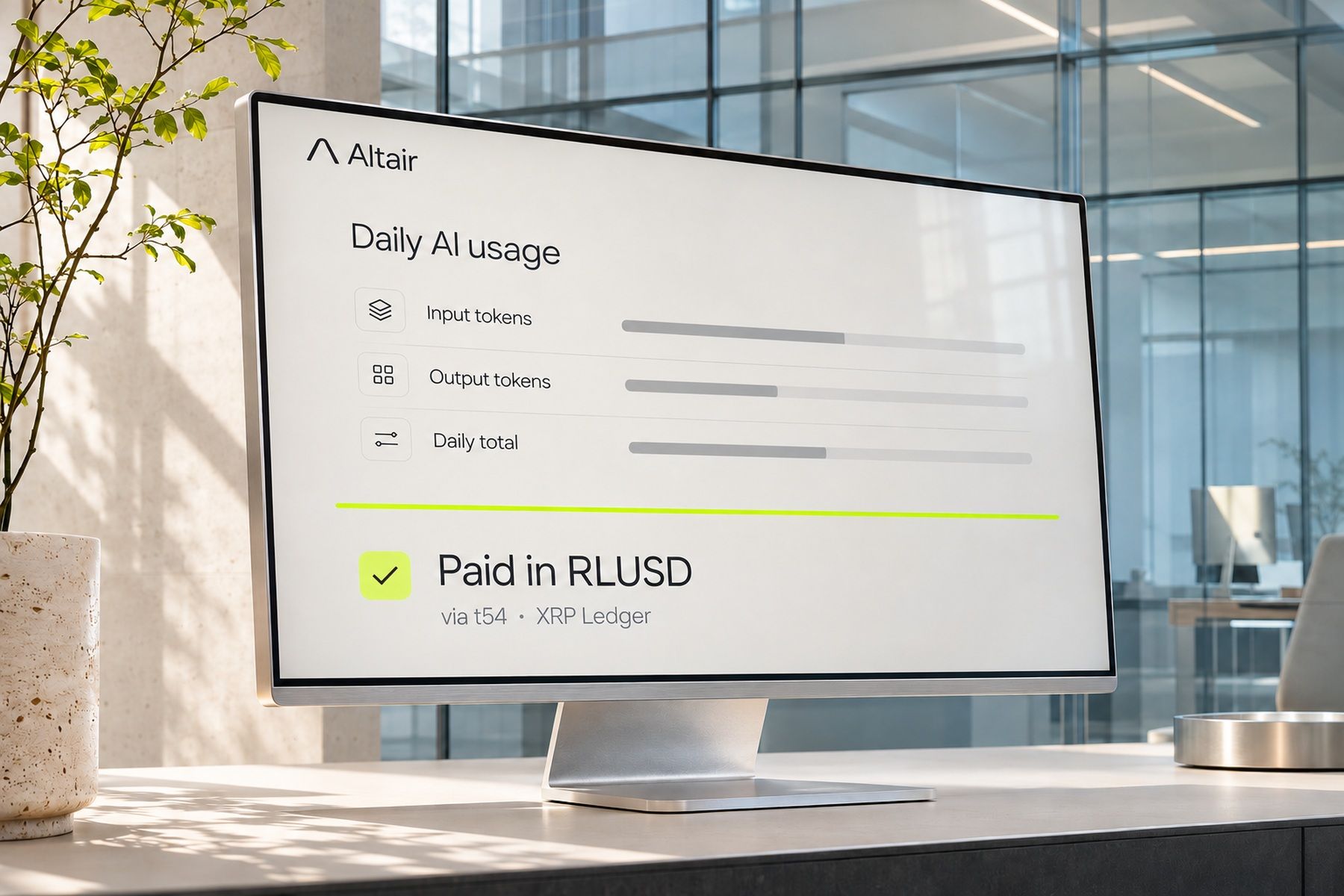
Blockster recently covered Sunrate’s virtual cards for AI agents, which let businesses define spending limits and transaction rules. Separately, t54 and Hecto Financial are exploring checks on agent identity and payment permissions.
Aina addresses the human-facing part of that process: presenting a proposed action and collecting a decision. Those payment projects address the controls behind execution. They are separate developments; Aina has not announced integrations with those companies.
From Hardware Experiments to Preorders
Shankar founded Aina in May 2025. According to the company, it raised $5.5 million in seed funding in July 2026 and has a 40-person team across San Francisco and Bangalore.
Before unveiling the ring, the team developed Dune, a three-key Mac controller that changes its functions according to the application in use. Aina says it shipped to hundreds of early adopters, helping the team identify frequently used controls. Private ring testing began in October.
The launch opens a wider test of whether those interactions belong on a finger.
Post from @lazyapproveView the original post on X↗
Aina says routine learning happens on the user’s own devices. Its announcement also says more details about supported integrations will follow after launch—an important practical consideration for a product whose usefulness depends on the services people already use.
Preorders are available through Aina’s website, starting at $399.
The test is whether Aina saves enough small interruptions throughout the day to earn a permanent place on someone’s hand.
Reporting by Eric Spivak