The former Ultrahuman hardware executive’s startup is betting that AI’s next interface will revolve around quick decisions: approve the ride, join the meeting or tell an agent what to do.
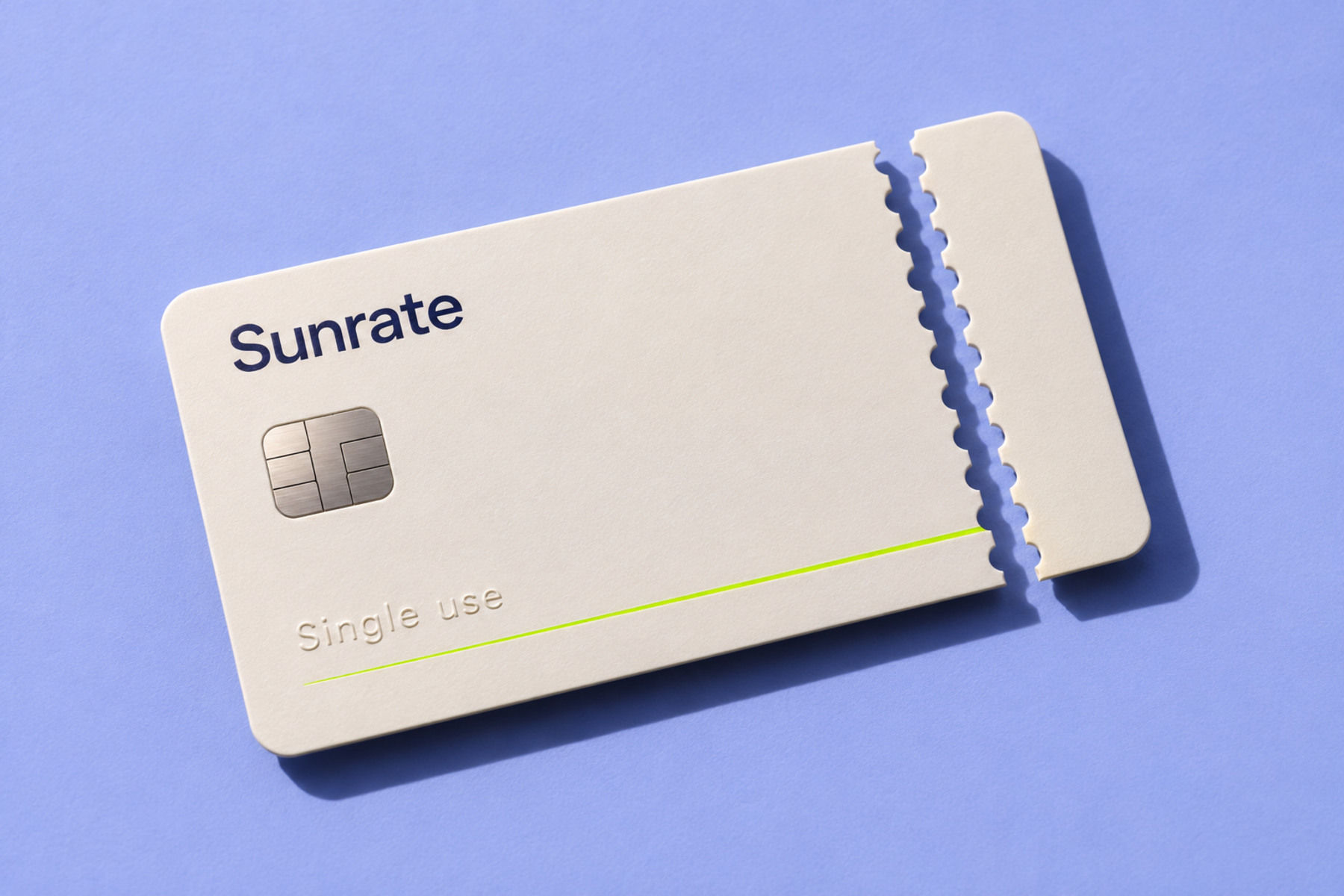
A business can let an agent pay a supplier, cap how much it spends and send exceptions to a human. The virtual card has completed Mastercard Agent Pay certification.
Whop’s PayBox integration lets agents find products, prepare orders and pay under rules set by the buyer—without sellers changing their existing stores.
The companies will explore identity checks and spending controls for Hecto Financial’s developing AI payment platform, connecting automated shopping with checks before money moves.
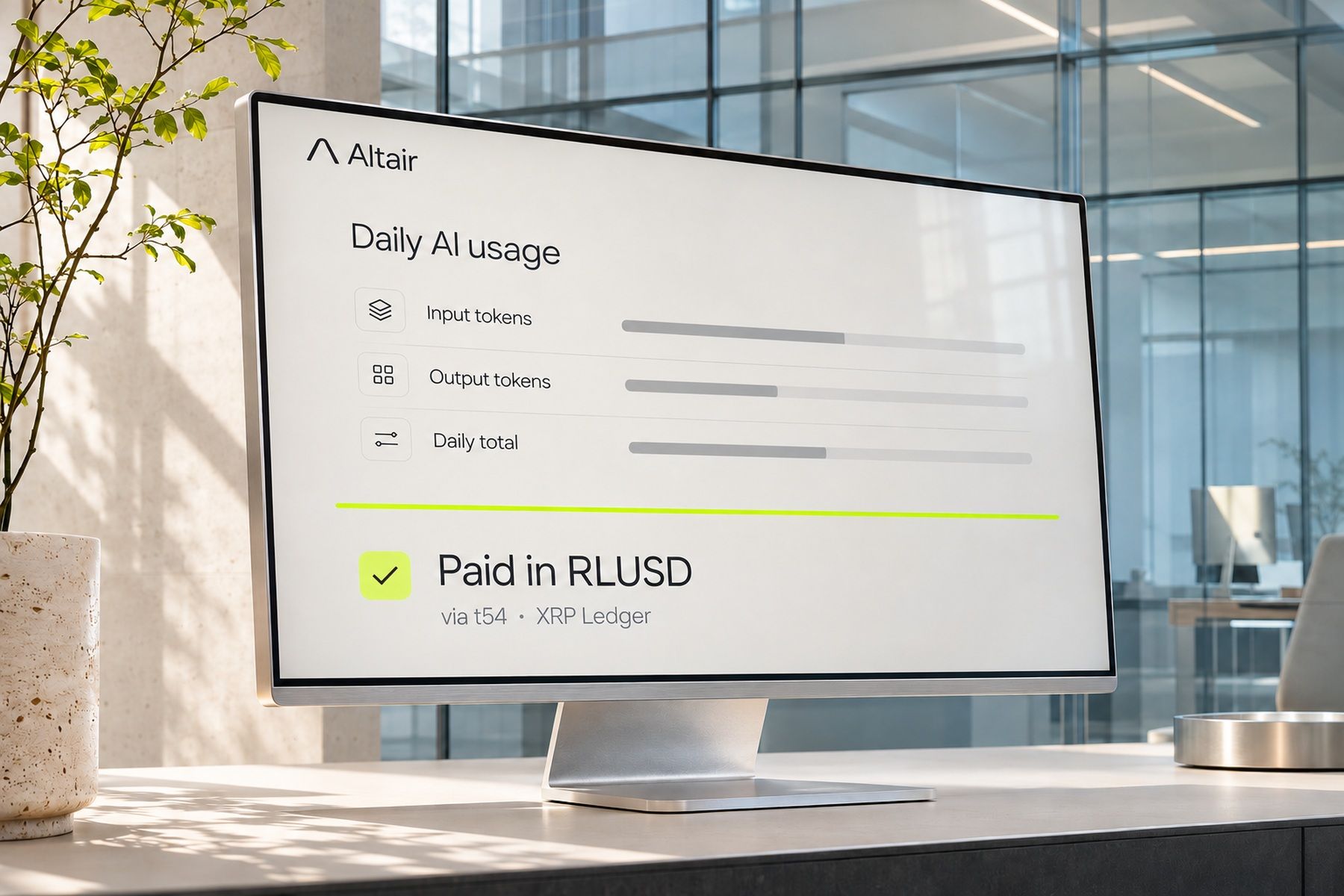
With billions flowing into AI infrastructure and computing costs changing fast, Hayes wants a market where businesses can lock in prices and suppliers can plan revenue.
Visa and Mesh target everyday crypto spending, Mastercard adds stablecoin risk checks, and Evervault tackles the security challenge of letting AI agents pay.
The Chair and MCP Connector let organizations approve, block or pause agent actions before they happen—with separate permissions for coding, stablecoin payments and trading.
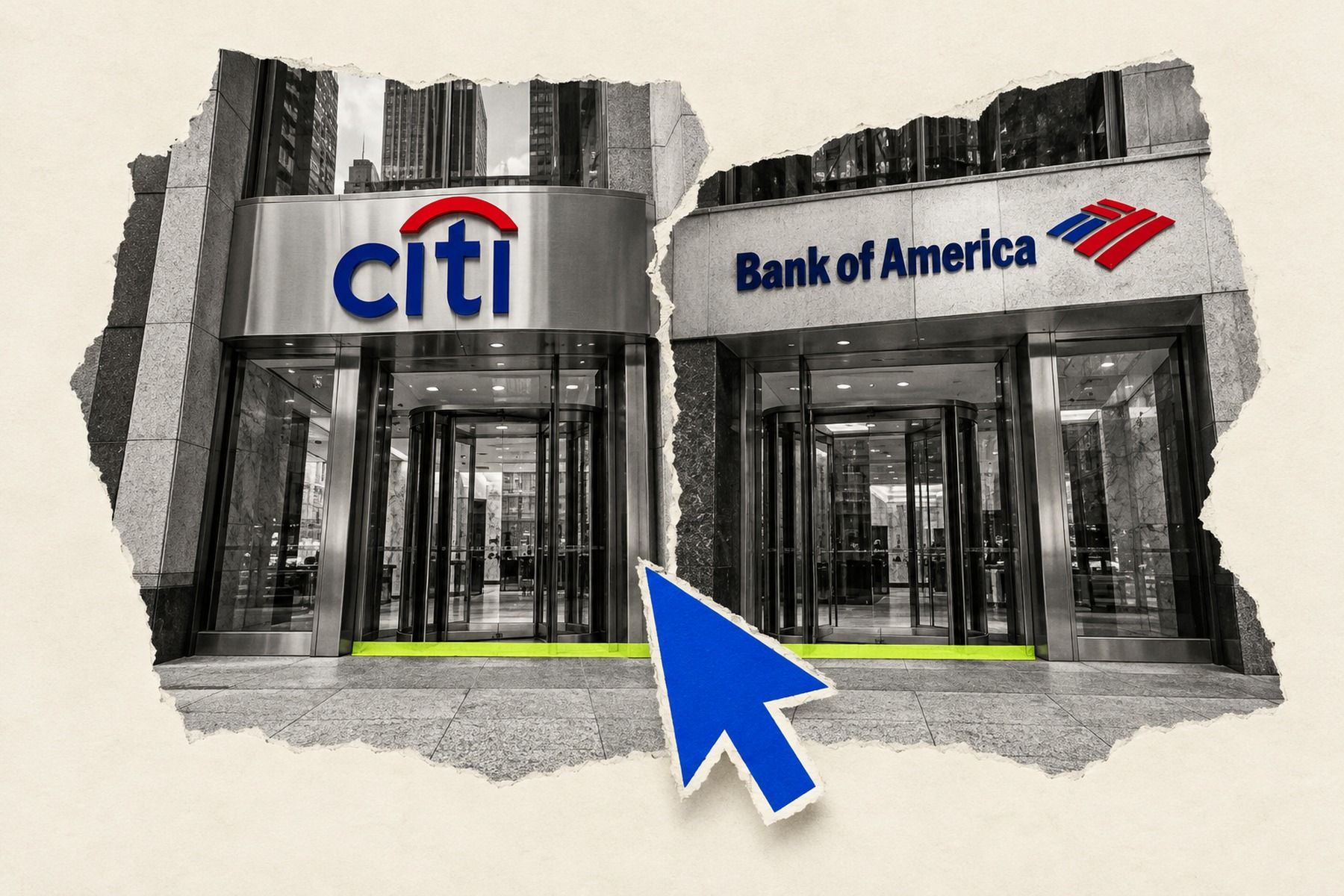
Citi and Bank of America are limiting outside AI agents. Blockster’s MoonPay interview shows a different approach: spending with limits and human approval.
A planned proof of concept with RiskX would pair personalized structured-product selection with checks on who an agent represents, what it can do and the risks of each transaction.