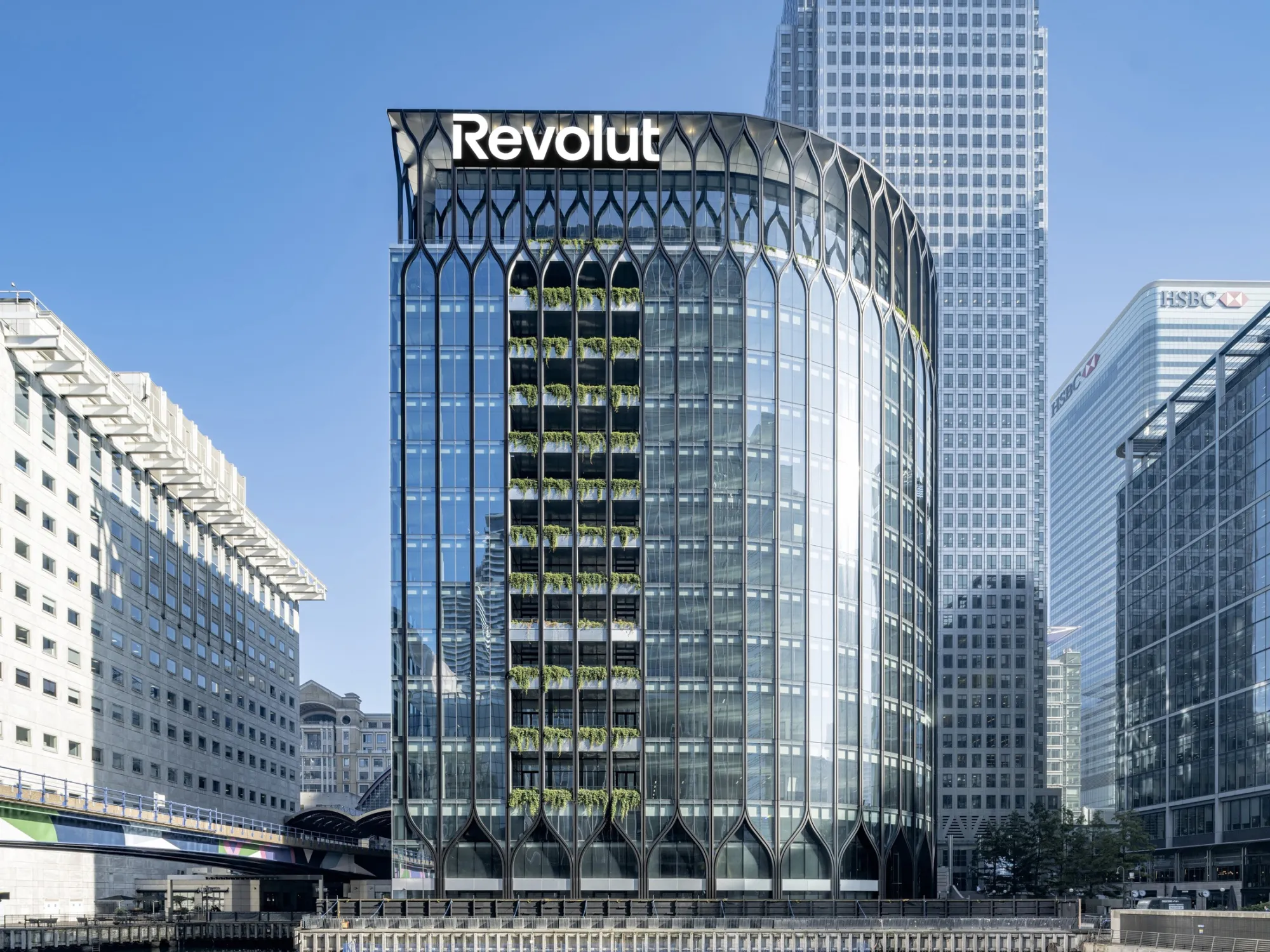
Revolut Applies for US Bank Charter, Pledges $500M Push
Revolut has applied for a US banking charter and committed $500M to market growth, marking a major fintech pivot toward traditional banking infrastructure.
The rules for digital finance and AI, and the people writing them.
51 stories
Every Blockster story on Regulation, newest first.
Revolut has applied for a US banking charter and committed $500M to market growth, marking a major fintech pivot toward traditional banking infrastructure.
The Trump administration pushes back on Jamie Dimon's call to regulate yield-bearing stablecoins like banks, while urging Congress to pass the CLARITY Act.
Charles Hoskinson calls the CLARITY Act a “security-by-default” trap, warning it could give the SEC sweeping power over new crypto projects and push U.S. innovation offshore.
Ripple CLO Stuart Alderoty publicly challenges The New York Times' anti-crypto coverage, pointing to real-world adoption data as evidence.
Standard Chartered maintains its $2 trillion stablecoin market cap forecast for 2028, but trims T-bill demand estimates to $0.8–$1 trillion.
The SEC reduced stablecoin haircut requirements to 2% for broker-dealers, treating compliant digital dollars on par with money market funds.
The Trump-backed DeFi project hosted its first major forum at Mar-a-Lago, bringing together crypto heavyweights and political insiders.
Crypto mortgage specialist Milo has surpassed $100 million in crypto-backed home loans and closed a record $12 million single transaction.
Real estate billionaire Barry Sternlicht says his firm is prepared to offer blockchain-based tokens but U.S. regulation remains the barrier.
Kraken will fund 'Trump Accounts' for every baby born in Wyoming in 2026, putting Bitcoin in the hands of newborns through a new state savings program.
As artificial intelligence becomes deeply embedded in financial infrastructure, one question keeps resurfacing: who is actually governing the AI systems that power these platforms?
Institutional tokenization demand hits unprecedented levels, but the real story is that TradFi is being forced onto permissionless infrastructure.