

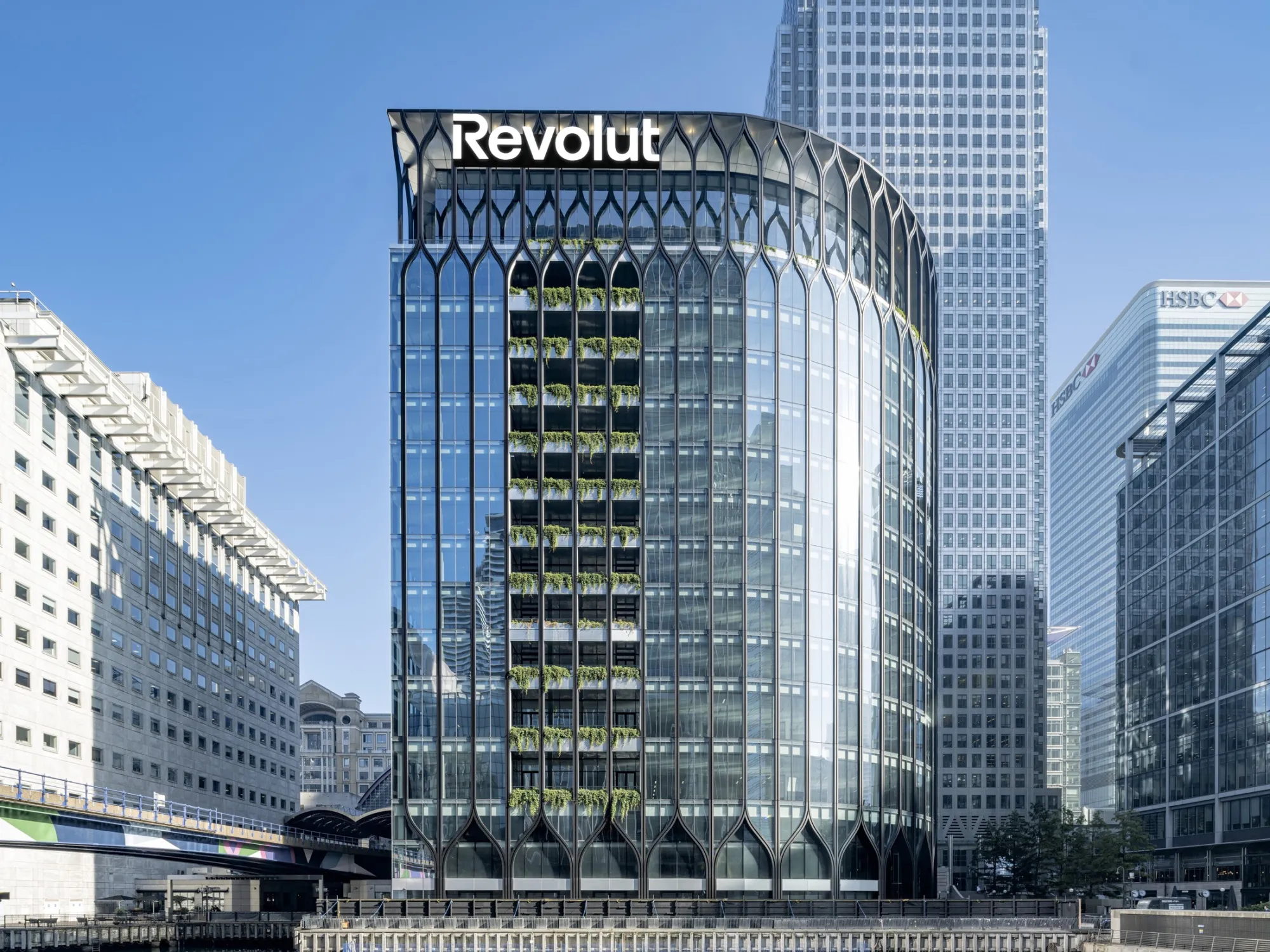
London-based fintech giant Revolut has applied for a US bank charter and committed $500 million to expanding its presence in the American market.
—
The move signals one of the most significant bids yet by a major fintech platform to secure traditional banking infrastructure in the United States.
If approved, the charter would allow Revolut to offer a broader suite of financial services — including lending and deposit-taking — directly to US customers, without relying on third-party banking partners. The $500 million commitment is earmarked for market growth initiatives as the company looks to compete more aggressively with both legacy banks and fellow fintech firms on US soil.
Post from @RevolutView the original post on X↗
Why a Bank Charter Matters
Obtaining a bank charter in the US is a lengthy and rigorous process overseen by federal and state regulators. For fintech companies, it represents a strategic inflection point: a chartered bank can hold customer deposits directly, access Federal Reserve payment rails, and operate under a single national regulatory framework rather than navigating a patchwork of state-by-state money transmitter licenses.
Revolut is not the first fintech to pursue this path. Companies like SoFi successfully obtained a national bank charter in 2022, while others — including Varo Bank — have gone through similar processes. However, Revolut's application is notable given its scale: the company reportedly serves over 45 million customers globally and has been steadily expanding its crypto trading and onchain services alongside traditional finance offerings.
Competitive and Regulatory Implications
The application comes at a time when the boundaries between fintech, crypto, and traditional banking continue to blur. Revolut already offers cryptocurrency trading in multiple markets and has built out a product suite that spans payments, foreign exchange, stock trading, and savings accounts. A US bank charter would give the company a stronger regulatory footing and potentially greater influence in shaping the rules that govern digital finance in the country.
For the broader fintech sector, Revolut's move underscores a growing trend: platforms that started as disruptors are now seeking the same licenses and regulatory frameworks as the incumbents they set out to challenge.
This dynamic could reshape competitive dynamics in the US financial services market, particularly as regulators continue to develop clearer guidelines for companies operating at the intersection of crypto and banking.
Post from @RevolutBusinessView the original post on X↗
What to Watch
The timeline for charter approval remains uncertain. US banking regulators have historically taken months — and in some cases, years — to evaluate charter applications, particularly from non-traditional applicants. Key factors to monitor include the regulatory review process, any conditions attached to approval, and how Revolut plans to deploy the $500 million investment across its US operations.
The outcome could set a precedent for other crypto-adjacent fintech firms weighing whether to pursue full banking status in the US market.
Reporting by Blockster Newsdesk