Byreal’s 2026 Roadmap Reveals the Next Phase of OnChain Markets
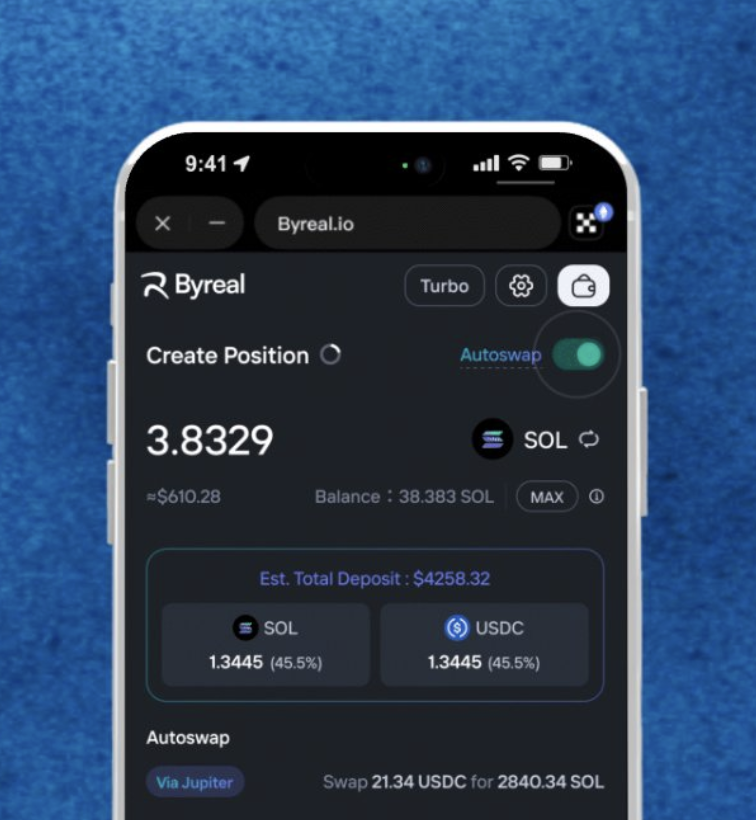
Byreal unveils its 2026 roadmap, introducing AI-powered liquidity, protocol-managed AMMs, and 24/7 perpetual trading for real-world assets on Solana.
Artificial intelligence in business and finance: the companies, the money and the tools.
265 stories · 1 conference
Every Blockster story on AI, newest first.
Byreal unveils its 2026 roadmap, introducing AI-powered liquidity, protocol-managed AMMs, and 24/7 perpetual trading for real-world assets on Solana.
Transak integrates with MegaETH to enable instant ETH purchases using cards, Apple Pay, Google Pay, and bank transfers — removing onboarding friction and bringing real-time Ethereum access to millions of users worldwide.
Runway has raised $315 million at a $5.3 billion valuation, according to TechCrunch. The funding round underscores growing investor interest in AI systems designed to model and simulate the real world rather than generate isolated outputs.
AI is advancing faster than economies can adjust. Automation is being deployed simultaneously across industries, productivity is rising, and entire job functions are already being phased out — not gradually, but all at once. That kind of acceleration doesn’t just change technology cycles; it creates economic pressure before new systems are ready to absorb the shock.
Pump.fun has launched a $3 million Build in Public hackathon designed to flip the traditional startup funding model on its head. Instead of closed-door judging, founders launch openly, build in real time, and let user participation determine which projects earn support.
This week, Visa, KuCoin, Apple, and onchain markets all pointed to the same shift: crypto is moving from a trade to embedded infrastructure.
Toward the end of 2025, something unusual happened in the infrastructure layer of Web3. A protocol called x402 appeared without fanfare, without a token launch narrative, and without the usual cycle of hype.
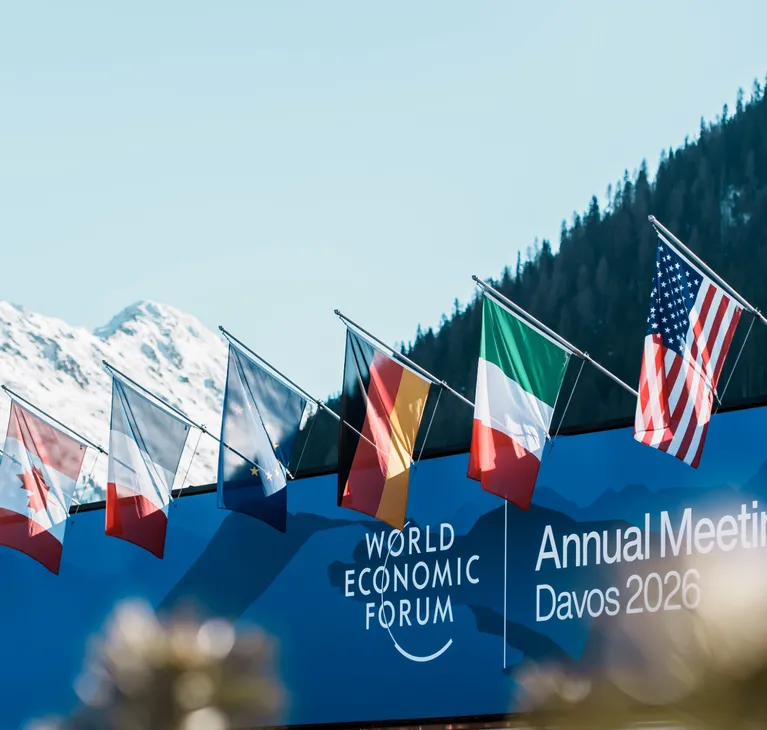
Between closed-door meetings, headline speeches, and viral side moments, one thing became clear at this year’s World Economic Forum: the global financial system that shaped the last few decades is under pressure, and leaders are no longer hiding it.
RWA-backed stablecoins are moving closer to real financial rails.
Crypto payments are quietly crossing a threshold: moving from niche experimentation into everyday use — and even autonomous, machine-driven transactions.
As DeFi trading environments grow faster, denser, and more professional, raw onchain activity alone is no longer enough. Visibility — who is trading, where liquidity is forming, and how capital actually moves — has become the real edge
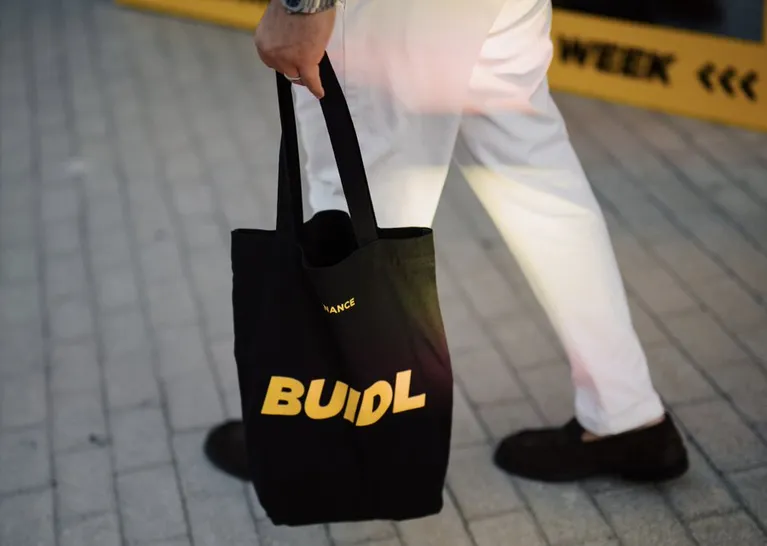
Love it or criticize it, Binance’s impact on the crypto industry is impossible to ignore.