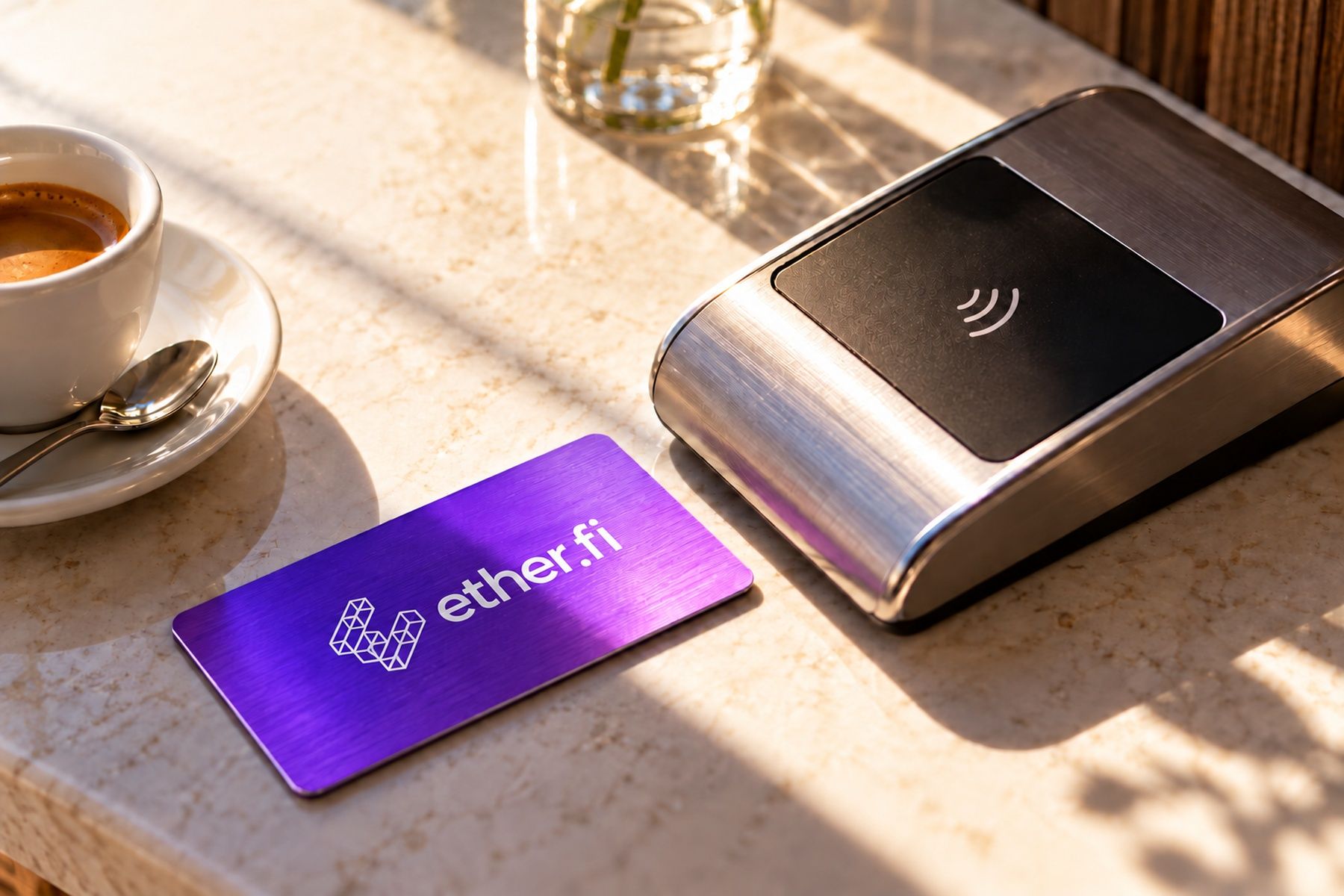

The next customer browsing a Whop store could be an AI agent shopping on someone’s behalf.
MoonPay and Whop announced on October 29 that Whop has joined PayBox Markets, opening its network of 300,000 businesses to agents that can search for products, place orders and make purchases under buyer-defined approval rules.
For sellers, the companies say the integration requires no changes to their existing setup. For shoppers, it brings more of the buying process into a conversation, with controls over when and how their money moves.
Whop is the largest storefront network to join PayBox Markets so far, according to the announcement.
From a Shopping Request to an Order
The companies describe a straightforward example: a buyer asks an agent to find a heavyweight graphic tee on Whop.
PayBox searches actual listings with current prices, prepares the order and presents the item, total, payment method and recipient. The purchase then follows the buyer’s approval settings.
The same infrastructure is designed to give agents access to products, subscriptions and services across Whop’s marketplace.
Behind that experience is PayBox, MoonPay’s payment vault for AI. Through custom connectors, it works with Claude, ChatGPT and Grok, allowing an agent to prepare transactions within a conversation.
PayBox Markets adds the storefront connection. A marketplace integrates once, making its inventory available to agents using PayBox. Individual business owners can keep operating their stores while gaining another route through which customers can find and buy their products.
MoonPay demonstrated an earlier version of conversational shopping in August, when it reported buying a physical copy of Madden NFL 27 from Amazon through Claude and PayBox, paying with USDC on Solana. That demonstration predates the Whop integration.
Post from @moonpayView the original post on X↗
The Buyer Sets the Spending Rules
A useful shopping assistant needs permission to act. Buyers also need a clear way to decide how much authority they are handing over.
MoonPay’s published PayBox model offers an Always Ask setting, which requires approval for each transaction, and an Autonomous setting that lets an agent act within permissions established by the user. Changes to those permissions require human approval through a passkey.
The distinction matters: authorizing an agent to shop does not have to mean approving every purchase automatically.
According to MoonPay, PayBox protects wallet keys using threshold cryptography and secure enclaves. No single party, including MoonPay or the AI agent, holds the complete key or can sign transactions independently.
Those controls are central to the experience MoonPay and Whop are trying to build: an assistant that can carry a request through to a purchase while operating within its owner’s instructions.
“Agents have learned to search, write, and reason. Buying was the missing step.”
— Neeraj Prasad, Chief Engineer of MoonPay Labs
Prasad described Whop as a destination for the next generation of entrepreneurs and PayBox as a way for agents to shop there on the buyer’s terms.
“The conversation is the new checkout,” he said.
A New Sales Channel After a $200 Million Round
The partnership arrives shortly after Whop announced a $200 million Series D at a $5.1 billion valuation, led by Sequoia Capital and Shopify Ventures. The funding was announced on October 21.
Whop says it has facilitated more than $7 billion in transactions on its platform, reaching people in 185 countries. Connecting that marketplace to agents gives MoonPay an established network of businesses whose products are already available for sale.
Co-founder and CEO Steven Schwartz outlined the funding and Whop’s expansion plans in his October 21 announcement:
Post from @culturedView the original post on X↗
The broader retail industry is preparing for similar changes. In an October study, Boston Consulting Group found that 68% of retailers surveyed expected agentic commerce to have a significant or transformational effect within two years. Its research included 50 of the world’s top 300 retailers and 100 leading global brands.
For Whop sellers, the immediate opportunity is an additional source of discovery and orders. Whether that translates into meaningful sales will depend on how often buyers delegate shopping—and how reliably agents complete it.
In Blockster’s recent interview with MoonPay’s Halsey Huth, the company’s Global Head of AI and Ecosystems described the move from assistants that research purchases to agents that can carry them out. The Whop integration extends that ambition to a large network of existing stores.
Whop’s integration with PayBox Markets is live, according to the companies, with access through paybox.sh.
Published by MoonPay on its Blockster Station