

The biggest draw in Meta’s latest AI push comes before anyone buys a pair of glasses: its personal agent, Muse, is free to use.
Available with usage limits and optional subscriptions for heavier use, Muse gives people a way to try an assistant that handles tasks without committing to another monthly bill. Meta says it can research purchases, organize plans and keep working after the app closes, checking back when actions need approval.
At Connect 2026, Meta expanded that proposition with everyday AI glasses, separate VR Glasses and the upcoming Muse Charm. The ambition is becoming easier to picture: an assistant you can reach through your phone, your eyewear or a small device in your pocket.
Post from @MuseView the original post on X↗
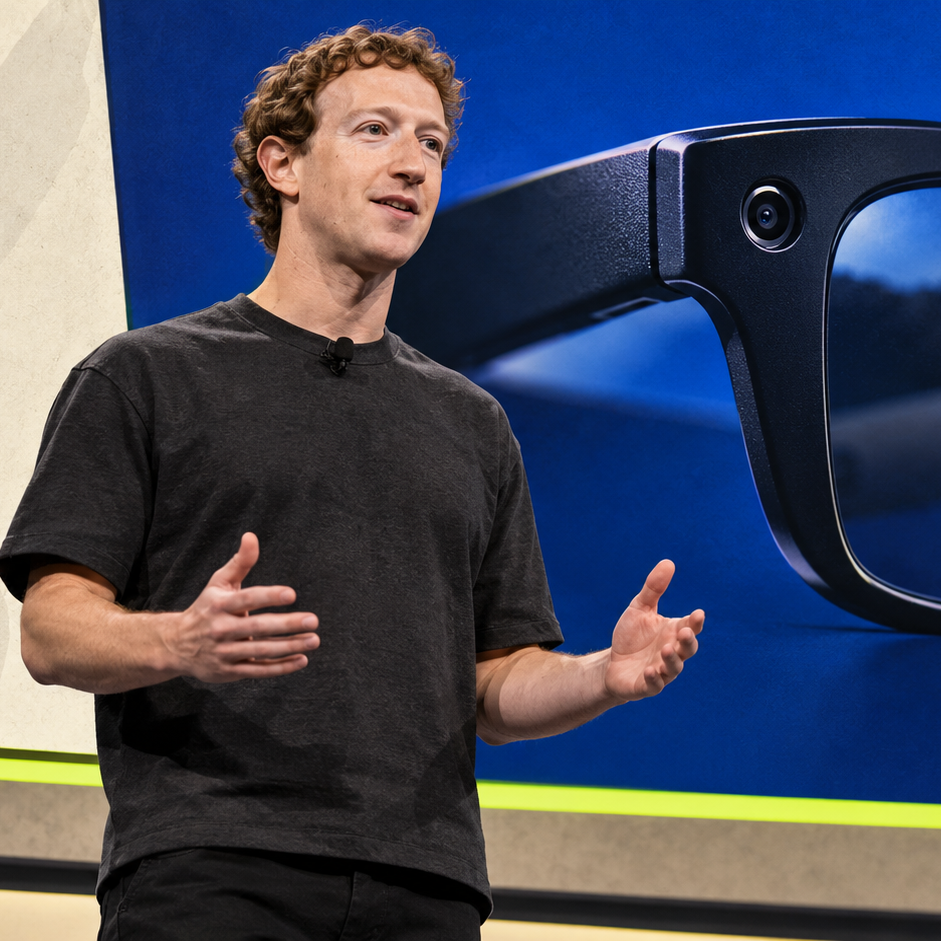
During his September 23 keynote, Mark Zuckerberg explained how Meta expects to make the economics work:
“Over time, we will profit by taking a small fee from transactions.”
That positions commerce as a future revenue source alongside subscriptions. For users, the immediate appeal is getting enough access to discover whether an agent can save them time or money before deciding to pay.
Meta is also expanding Muse’s connections to retailers and services, announcing partners including Walmart, Best Buy and Sephora, alongside payment support from Shop Pay and PayPal. These connections are intended to help the agent turn requests into completed errands.
The Enthusiasm Is About Usefulness
Early reactions suggest that this practical pitch is connecting. Investor Ed Sim wrote in his September 26 newsletter:
“Consumers don’t give a crap about benchmarks, they just want the easy button.” His argument centered on accessible products that help people get things done.
On X, Craig Weiss praised Meta for “shipping faster than most startups,” in a post reproduced by Techmeme. Creator Alex Finn’s September 19 YouTube review carried the title “Meta Muse is an INCREDIBLE AI agent.” These are individual endorsements, but they capture the excitement around the launch.
Hands-on reviews add some substance. Tom’s Guide writer Elton Jones found useful results from three of seven shopping prompts, including price comparisons and secondhand deals. Despite the misses, he wrote:
“I walked away with a positive outlook on Meta’s AI agent.”
The attraction is easy to understand. An assistant that finds a worthwhile deal or takes an annoying task off your list gives you a reason to open it again.
AI Glasses Bring Style into the Equation
Meta plans to bring Muse to its everyday AI glasses in the coming months, including the ability to respond to what a wearer is looking at on supported devices.
Its new eyewear lineup offers several routes in. Ray-Ban Meta Gen 3 starts at $449, with a camera, up to nine hours of battery life and a slimmer design across Wayfarer, Aviator and Zena cat-eye styles. Meta announced it as available at Connect.
The camera-free Ray-Ban Meta Audio starts at $349, with shipping scheduled for October 13. Weighing 43 grams, it focuses on music, calls and voice assistance, with up to 12 hours of use per charge.
Post from @PolymarketView the original post on X↗
New designs with LISA and an additional Kylie Jenner colorway broaden the fashion appeal. Meta expects more than 100 eyewear options across its brands by year-end.
For wearable technology, that choice matters. The frames have to earn a place in someone’s wardrobe as well as their routine.
VR Glasses Offer a Different Experience
The separately announced Meta VR Glasses are built for immersive entertainment and computing. They will cost $1,299.99, with sales planned for spring 2027.
The eyewear weighs about 100 grams, while a tethered puck carries the processor, battery and storage. Meta says the battery supports up to three hours of high-resolution media playback. The device combines virtual workspaces, films and games with AI controls, and Meta promises more than 100 immersive live US sports events annually.
Compared with Apple’s Vision Pro, which launched at $3,499, Meta is offering a substantially lower entry price and a lighter glasses-shaped design. The separate puck remains a compromise, but the pitch revolves around familiar activities: watching a game, enjoying a film or working across virtual screens.
For people who prefer another way to reach Muse, the company also previewed Muse Charm, a pocket-sized device for talking to the agent. Meta’s Connect recap says more details will follow later this year.
Grok’s Growing Pains Give Meta an Opening
Some creators have questioned Grok Bot’s value beyond the demos. After paying $300, Aaron Makelky still hit weekly usage limits and said he would not recommend subscribing specifically for the agent. His criticism focused on usage restrictions and limited control, rather than a direct comparison with Muse.
That gives Meta an opening. Free access lets people judge Muse on completed tasks before subscribing, while its hardware plans offer more ways to keep the assistant close. The next test is turning that promising combination into something people use every day.
Reporting by Lidia Yadlos


