
Artificial intelligence is no longer just a software story. It is becoming one of the largest infrastructure investment cycles in modern economic history.
Goldman Sachs estimates global AI infrastructure spending will total $7.6 trillion between 2026 and 2031, with annual investment expected to climb from $765 billion this year to $1.64 trillion by 2031. The forecast, outlined in the bank's Tracking Trillions report, reflects the enormous amount of capital needed to build the chips, data centers and power infrastructure that will support the next generation of artificial intelligence.
To put that figure into perspective, $7.6 trillion exceeds the annual GDP of every country except the United States and China. AI is rapidly evolving from a technology trend into a global infrastructure industry on a scale comparable to railroads, telecommunications and the internet itself.
Post from @Kalshi_FinanceView the original post on X↗
Chips Will Capture Most of the Money
The biggest winner isn't expected to be real estate or electricity providers. Goldman projects approximately $5.1 trillion, or about 67% of total AI capital expenditure, will be spent on compute infrastructure, including GPUs, AI accelerators and high-performance servers.
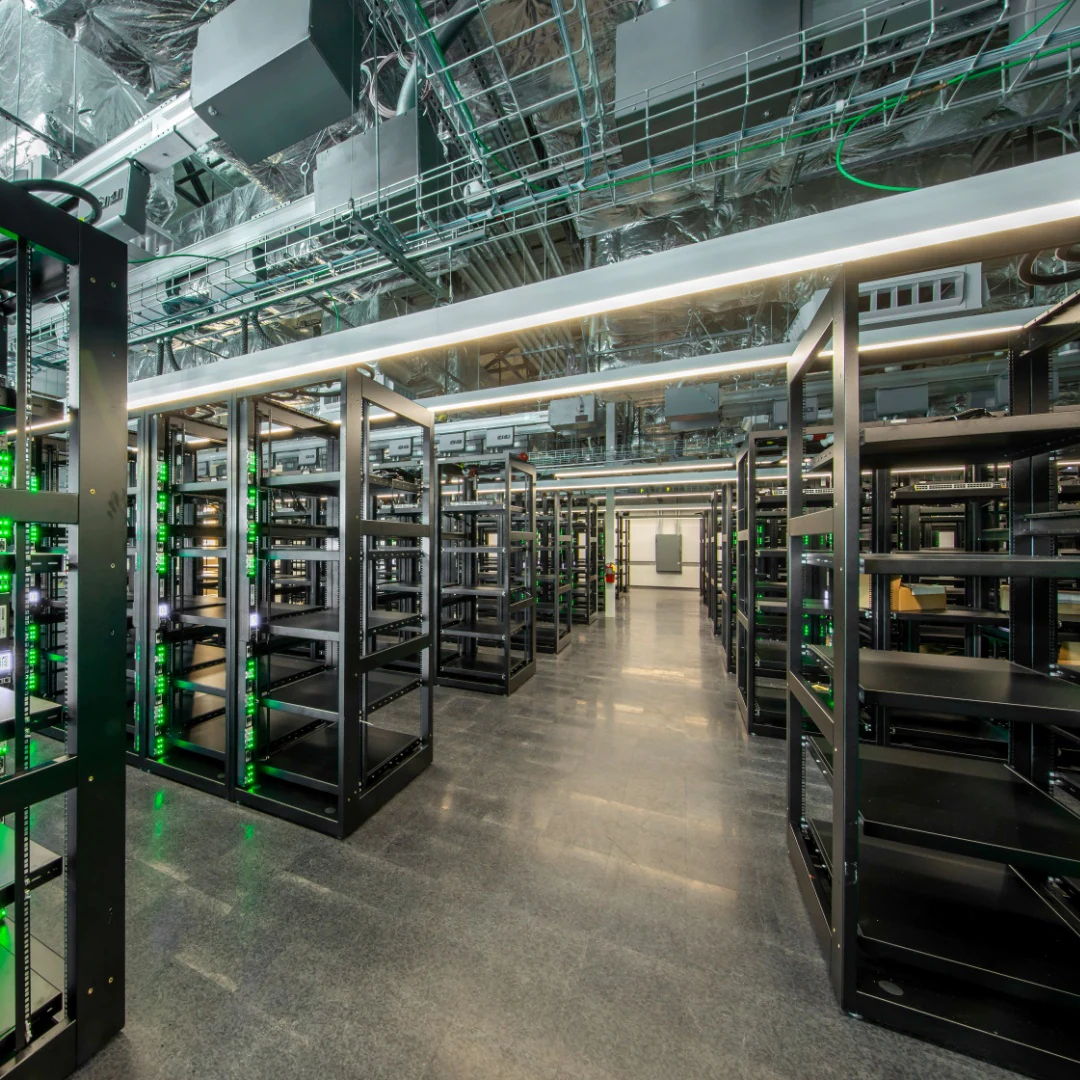
Another $2.1 trillion is expected to flow into data centers, while $358 billion will be invested in power infrastructure, despite electricity becoming one of the industry's biggest constraints.
The report assumes NVIDIA will maintain roughly 75% of the AI compute market. If that happens, the company could capture nearly $3.8 trillion in AI-related revenue over the next six years.
That projection comes as NVIDIA became the first company in history to surpass a $5 trillion market capitalization, making it worth roughly one-sixth of the entire U.S. economy, whose GDP is just over $30 trillion. Few companies have ever represented such a large share of national economic output, highlighting how central AI infrastructure has become to global markets.
Big Tech Is Building at Unprecedented Scale
Much of the spending will come from a handful of technology companies. Goldman expects Amazon, Microsoft, Alphabet and Meta to collectively invest around $5.3 trillion in AI infrastructure between fiscal years 2025 and 2030. That amount alone exceeds Japan's annual economic output and represents one of the largest coordinated capital investment cycles ever undertaken by private companies.
The investment wave extends well beyond Silicon Valley. Goldman estimates global AI-related investment will exceed $1 trillion in 2026 alone, including spending by hyperscalers, private AI companies, sovereign wealth funds and infrastructure investors.
Post from @FortuneMagazineView the original post on X↗
Meanwhile, NVIDIA has partnered with Apollo, BlackRock, Blackstone, Brookfield, Goldman Sachs and KKR on financing initiatives that could mobilize more than $500 billion for AI infrastructure, underscoring how private capital is becoming just as important as technology companies in funding the AI boom.
AI Is Becoming a Market Concentration Risk
The AI boom has generated extraordinary returns. It has also concentrated an unprecedented amount of market value in a small group of companies.
AI-related businesses have driven much of the S&P 500's gains over the past two years, while the largest technology companies now represent an outsized share of major equity indices. Goldman Sachs, the European Central Bank and other institutional investors have warned that market expectations may be running ahead of commercial reality, raising the risk of a significant correction if AI spending fails to produce the anticipated returns.
The concern isn't that AI lacks potential. It's that investment is arriving much faster than measurable financial results.
Goldman notes that only 11% of S&P 500 companies have publicly quantified AI use cases, while just 2% have measured AI's contribution to earnings. Despite hundreds of billions of dollars already being deployed, most companies are still learning how to translate AI into sustainable productivity and profit growth.
Infrastructure Is Only Half the Story
Goldman's report focuses on the cost of building AI. Whether that spending creates lasting economic value will depend on how effectively businesses deploy it.
While U.S. technology companies continue racing to build larger AI clusters and ever more powerful models, many Chinese companies have focused on integrating today's AI systems into manufacturing, logistics, healthcare and industrial production. Rather than waiting for the next frontier model, the emphasis has increasingly been on embedding AI into existing businesses to improve productivity.
That distinction could become increasingly important over the next decade. Building the world's most advanced infrastructure creates the foundation for AI, but the largest economic gains may ultimately come from how widely those systems are adopted across the real economy.
Post from @KraneSharesView the original post on X↗
Power Could Decide the Winners
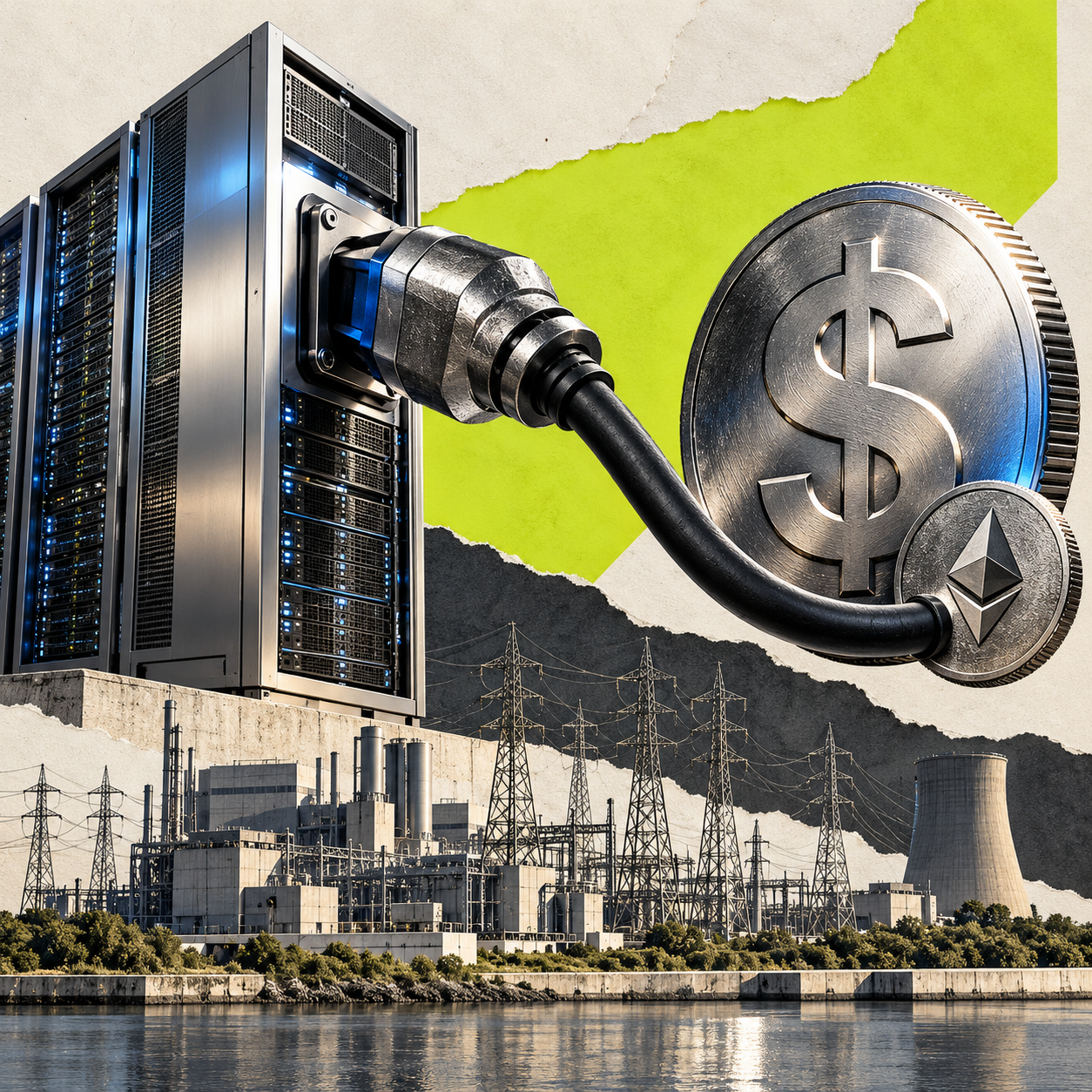
Even if enough chips are available, electricity may become the industry's biggest bottleneck. Goldman expects only $358 billion to be invested in power infrastructure, less than 5% of projected AI spending. Yet previous Goldman research estimates U.S. data centers could consume approximately 11% of the nation's electricity by 2030, nearly double today's share.
That demand is already reshaping investment across utilities, nuclear energy, cooling systems, transmission networks and private infrastructure funds, creating opportunities that extend well beyond semiconductor manufacturers.
The Next Phase of AI May Look Different
The next chapter of AI may not be defined by who builds the biggest model. It may be defined by who builds the most valuable ecosystem around it.
Goldman's projections suggest the AI economy will require trillions of dollars in physical infrastructure before its full economic benefits are realized. Chips, power grids, networking equipment, financing and data centers are becoming just as critical as software itself.
For investors, that means the biggest winners of the AI era may not only be the companies writing the models, but also those supplying the infrastructure that makes them possible. If Goldman is correct, AI will ultimately be remembered as one of the largest industrial buildouts in modern history, not simply the next wave of software innovation.
Reporting by Lidia Yadlos