
The strongest case for a factory robot can be a maintenance job repeated thousands of times. Two Spot robots at GlobalFoundries' Singapore operation have completed more than 90,000 inspections since April, according to a November 17 announcement from Boston Dynamics and the chipmaker.
The companies report nearly 900 kilometers traveled and a 99% mission success rate. They are expanding Spot across GlobalFoundries locations in Malta, New York; Burlington, Vermont; Dresden, Germany; and Singapore.
For readers following the spending behind physical AI, this is evidence of a machine doing repeatable work inside an operating business. It also provides a useful distinction between a robot already deployed and a humanoid still being tested.
Post from @BostonDynamicsView the original post on X↗
The job is finding trouble early
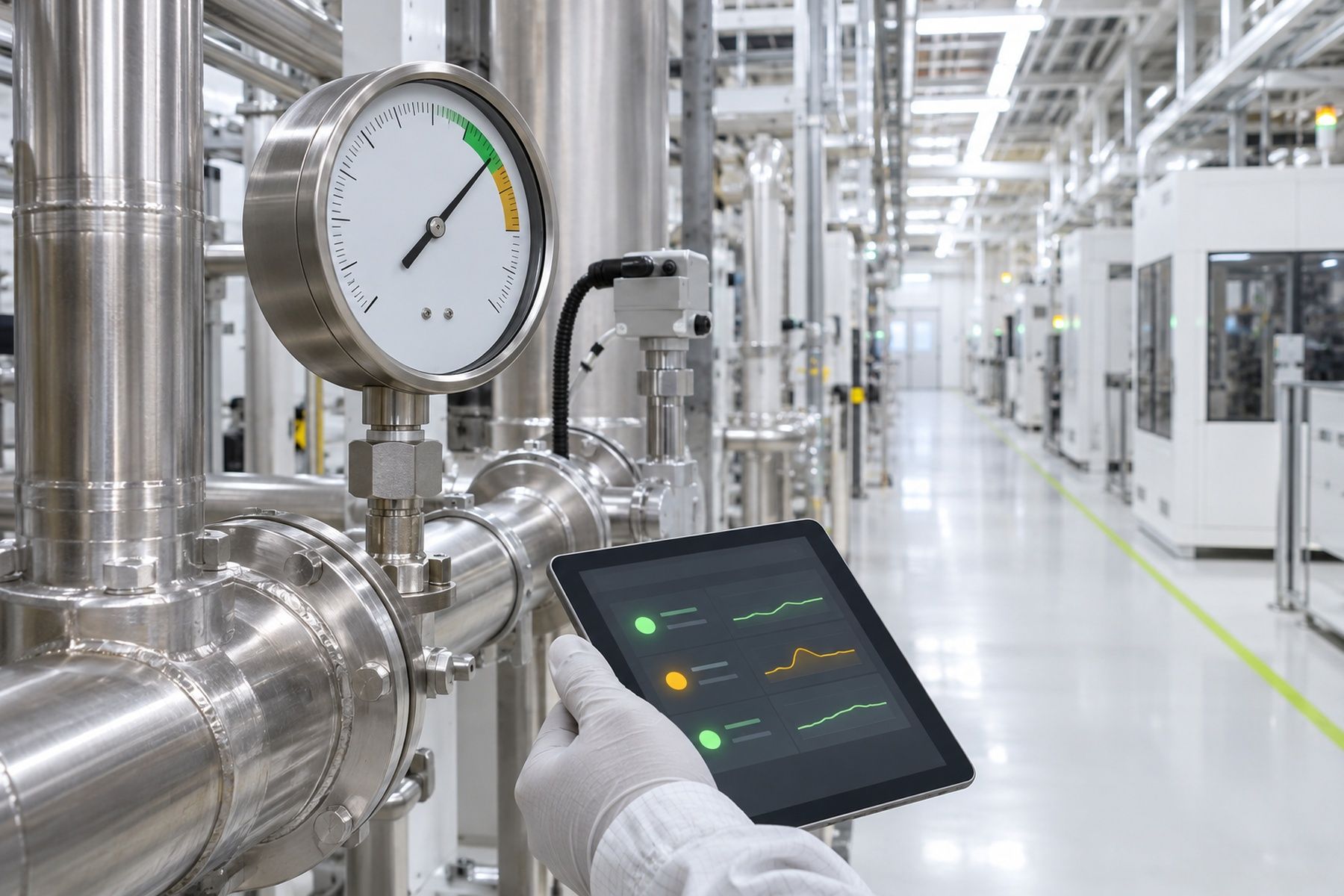
Spot is a mobile inspection platform. Depending on its payload, it can collect visual, thermal and acoustic information as it moves through a site. Boston Dynamics' Orbit software brings fleet and equipment-health information together for operators.
The value comes from comparing observations over time: an unusual temperature, noise or gauge reading can give a maintenance team something to investigate before equipment stops working. That is a more concrete purchasing case than a demonstration of a robot walking through a room.
GlobalFoundries says it redeployed 875 routine inspections in two weeks with updated hardware and software. Its manufacturing chief described the operational change this way:
“Spot has helped us shift from reactive to predictive maintenance”
— Pradip Singh, chief manufacturing officer, GlobalFoundries
The announced success rate measures missions. It does not establish a 99% reduction in failures, or quantify a dollar saving. Those are different measures a buyer would need when assessing the return on a fleet.
Atlas gets an evaluation, not a production promise
Atlas testing at GlobalFoundries is due to begin in early 2027. The workshop will examine possible tasks, integration needs and readiness. The companies describe GF as the first semiconductor manufacturer, and first customer outside automotive, to enter this Atlas early-adopter effort.
Post from @GlobalFoundriesView the original post on X↗
That distinction matters alongside Blockster's reporting on the economics of working robots at Cantor Convergence. An inspection route, a pilot and a commercial order each demonstrate something different about demand and readiness.
AI is also entering the semiconductor process before fabrication, through OpenAI and AMD's chip-design work. GlobalFoundries offers a complementary example on the operations side: collecting useful data around the factory while engineers assess what more capable machines could do next.
Reporting by Sasha Steenkamp