

A familiar face on a video call can carry a lot of authority—especially when the conversation involves a customer account, an investment or instructions to move money. AI-generated impersonation is making that familiarity harder to trust.
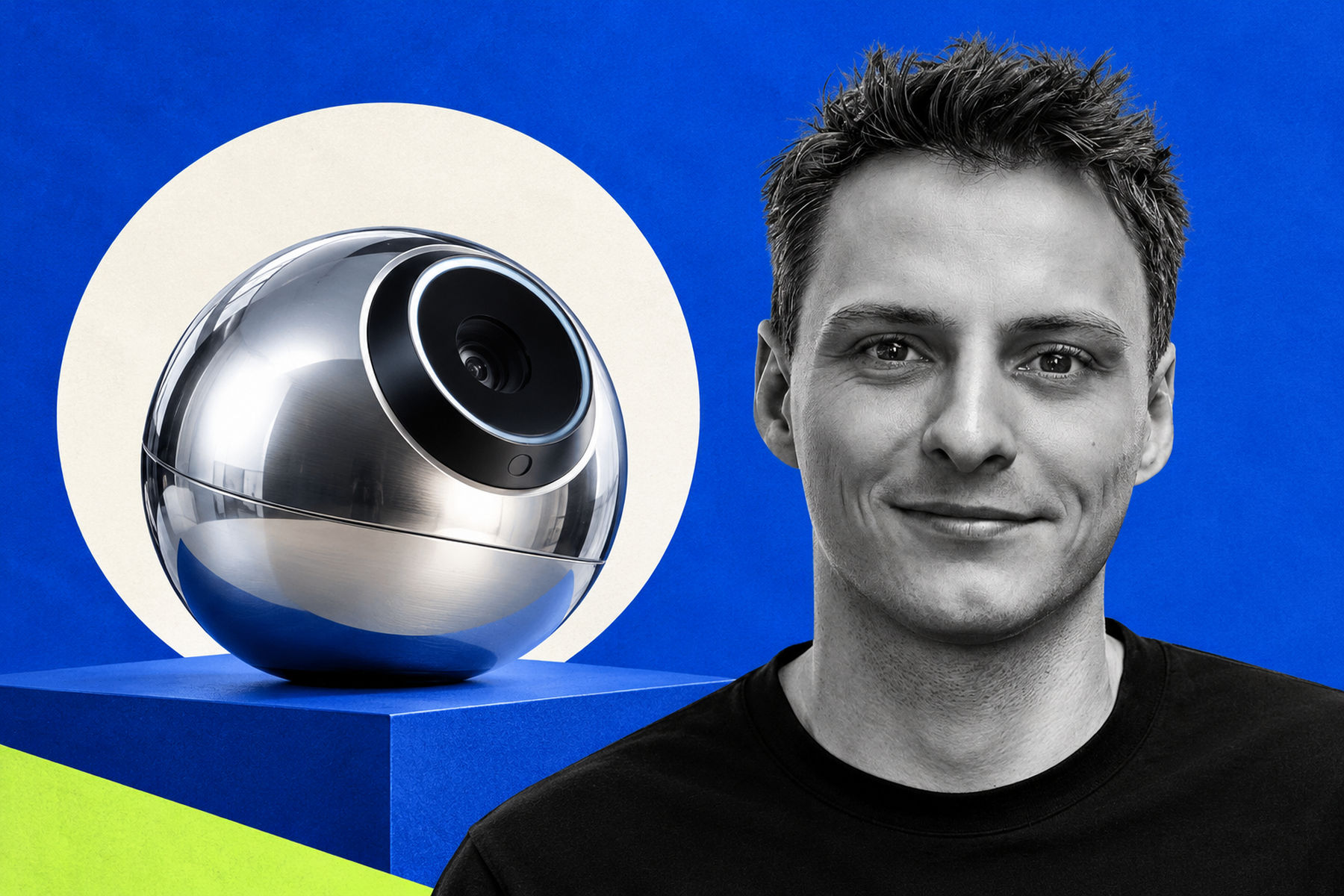
World, the project co-founded by Sam Altman, Alex Blania and Max Novendstern, is bringing its human-verification technology into financial services with World ID for banking and finance.
Unveiled by Blania at Money20/20, according to the company’s announcement, the offering combines World ID app, World ID for Zoom and World ID for Agents. World says the suite is now available and represents its first industry-specific offering for World ID.
The focus extends from people speaking directly with a bank to software acting on their behalf: establishing human presence and verifying relevant facts before a sensitive interaction proceeds.
The challenge echoes Blockster’s interview with World Foundation at Consensus, where the team discussed how deepfakes are changing trust online and why proof of personhood matters.
A Fraud Risk That Could Reach $40 Billion
Deloitte’s Center for Financial Services estimates that generative AI could help drive U.S. fraud losses to $40 billion by 2027, up from $12.3 billion in 2023. That is more than three times the earlier estimate.
The risk reaches beyond fraudulent account openings. A convincing imitation of an executive, client or colleague can be used to influence someone who already has access to sensitive information or funds.
Deloitte highlighted a 2024 case in which an employee at a Hong Kong-based firm sent $25 million to fraudsters after a video call featuring deepfake versions of the company’s chief financial officer and other colleagues.
World’s banking offering targets the trust problem behind those encounters, covering customer interactions, internal workflows and agents.
Post from @worldnetworkView the original post on X↗
How World ID for Zoom Works
World ID for Zoom adds a verification step to live video communications.
According to World’s product documentation, participants first verify at an Orb, its biometric verification device, and connect their World ID to their Zoom account. During a meeting, they complete a phone selfie check.
World describes a three-way match between the image captured at the Orb, the phone selfie and the face shown on Zoom. Successful authentication displays a Human Badge on the participant’s tile, visible to other people in the meeting. Enterprises can configure how long that badge remains valid.
World says facial authentication runs locally on the user’s phone and biometric data is not shared with Zoom.
The company announced general availability of the integration alongside the banking suite. Tools for Humanity, a contributor to World, has also joined Zoom’s independent software vendor exchange program.
An Identity Wallet for People and Their Agents
World ID app provides the wallet for claiming, managing and presenting what World calls Proofs: verifiable information about a person that can be used during digital interactions.
Blockster previously covered World’s open-source ProveKit technology, which lets people prove facts such as age or ID ownership without handing over the underlying personal data.
World ID for Agents extends those capabilities to software. A person can establish Proofs about themselves and delegate them to an agent, which can present those Proofs to a third-party platform.
World’s AgentKit gives developers tools to connect agents to verified humans. Supporting services can recognize that an agent is acting on a real person’s behalf and introduce additional verification for sensitive actions.
That builds on World’s earlier AgentKit expansion, which connected supported agents to verified World IDs for tasks such as shopping and reservations.
For financial institutions, that creates a way to check the human connection behind an automated request. It also raises a separate question: what has that person actually authorized the agent to do?
Blockster recently covered XDC’s integration with Concordium to verify AI agent owners. That approach links agents to verified owners while keeping identity documents off the public blockchain.
The distinction between identity and permission also runs through t54’s planned personalized-investing collaboration with RiskX, which would combine investment workflows with checks on agent authority, transaction intent and risk.
Taken together, these developments point to a growing requirement for financial software: connecting an automated action to both a person and the permissions that person has granted.
Post from @worldnetworkView the original post on X↗
Bain Capital and VanEck Join as Design Partners
World is working with OpenExchange, Bain Capital, VanEck Funds and Outtake as design partners to explore applications in banking and financial services. The collaborations concern potential use cases; they should not be read as confirmation of institution-wide deployments.
“World ID for banking and finance offers a suite of tools to add an AI-safe trust layer across their internal and external systems.”
— Sandro Herbig, President at Tools for Humanity
World says more than 18 million people hold a Proof of Human, the foundation of its network. That figure measures holders across the network, rather than customers of the new banking offering.
For banks, the practical test will be whether these checks can fit naturally into a customer conversation, employee approval or agent request. Verification needs to happen at the point where trust becomes a financial decision.
Reporting by Lidia Yadlos