
S&P Global, Nasdaq, BNP Paribas and Royal Bank of Canada are putting their money behind the same crypto infrastructure company as Wall Street moves deeper into tokenized markets.
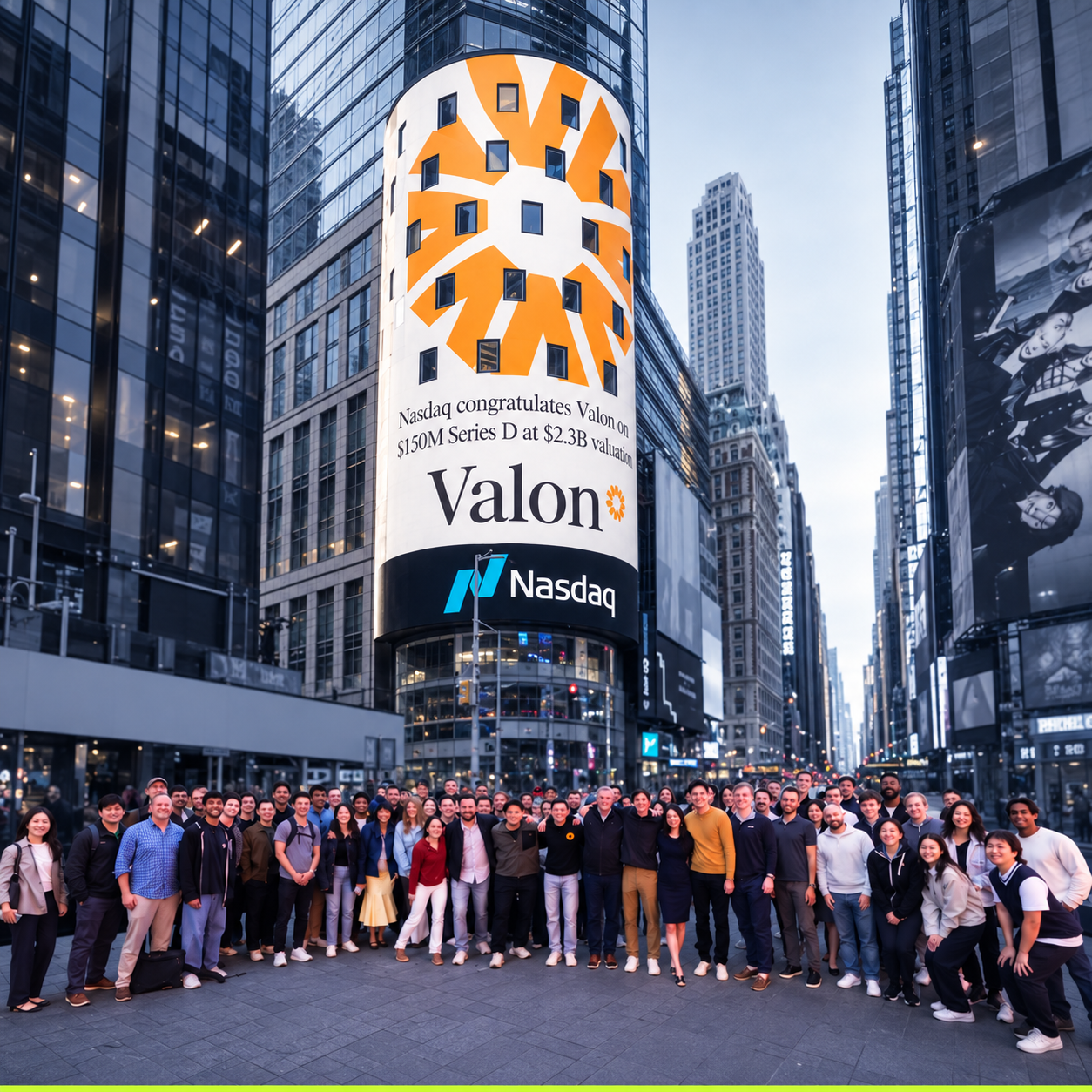
S&P Global has led a strategic investment in Kaiko, extending the crypto data provider's Series B funding to $110 million. Bpifrance, Broadridge, Canton Foundation, Coinbase Ventures, DRW Venture Capital, Nasdaq Ventures, RBC, Stellar and Susquehanna Private Equity Investments also participated.
Kaiko did not disclose its valuation or the size of S&P Global's investment. The company previously raised $53 million in its Series B in 2022, when Eight Roads led the round.
The collection of investors points to a larger shift underway in finance. As stocks, bonds and other assets begin moving onchain, institutions still need the pricing, benchmarks, liquidity data and market infrastructure that underpin traditional markets. Kaiko is positioning itself to provide that layer.
Post from @KaikoDataView the original post on X↗
S&P and Kaiko Are Already Building Together
Just two weeks before the funding announcement, the companies combined their crypto index businesses under a new institutional benchmark platform.
On September 1, S&P Dow Jones Indices and Kaiko launched the S&P Kaiko Digital Asset Indices, bringing Kaiko's reference rates and multi-asset indices together with S&P's existing crypto indices.
The platform launched with more than 4,000 rates and indices covering digital assets. Kaiko provides the underlying crypto data, calculations and connectivity to more than 150 exchanges, while S&P handles benchmark administration, global licensing and distribution.
That combination could become increasingly important as more financial products move onto blockchains. ETFs, futures, options, structured products and institutional portfolios all depend on trusted reference prices, and tokenizing an asset does not remove that requirement.
"As digital assets accelerate, S&P Global is investing for the future, and this investment underscores that conviction," S&P Dow Jones Indices CEO Cathy Clay said in announcing the investment.
It creates another market where investors need a reliable way to establish what something is worth.
Kaiko Has Been Quietly Assembling the Pieces
Kaiko started in 2014 as a crypto market data company. Its recent acquisitions show that the business it wants to build today goes considerably further than collecting prices from exchanges.
The company recently acquired Cometh, a European DeFi infrastructure provider specializing in smart-contract wallets, account abstraction, cross-chain integrations and institutional blockchain applications.
Cometh also brought a MiCA/CASP license and engineering experience across Ethereum, Layer 2 networks, Canton and Stellar. Kaiko said the combination allows it to connect its market data, analytics and regulated indices more directly with the infrastructure institutions need to execute transactions onchain.
Kaiko followed that deal by acquiring U.S.-based Amberdata, adding derivatives analytics, market intelligence and additional onchain data capabilities. It marked Kaiko's fifth acquisition and significantly expanded its presence in North America.
Kaiko now says it serves more than 260 institutional clients across traditional finance, asset management, banking and regulation. Its broader business increasingly spans the chain between collecting market information, creating benchmarks and getting institutional-grade financial data into and out of blockchain networks.
The Data Is Already Moving Between Wall Street and Blockchains
Kaiko has already begun connecting some of traditional finance's largest data systems with live blockchain markets.
Through its Data On-Ramp, Kaiko has brought Bloomberg financial data onto the Canton Network, initially focusing on tokenized U.S. Treasuries and repo markets. The system is designed to deliver licensed offchain financial information directly into smart contracts while preserving access controls and auditability.
Kaiko is also moving information in the opposite direction.
Its Data Off-Ramp now brings data from Broadridge's Distributed Ledger Repo platform to Bloomberg Terminal. Broadridge's blockchain-based repo network processes more than $7.5 trillion in monthly volume, or approximately $357 billion per day as of June 2026.
That means institutional activity taking place on a blockchain can now appear inside the same Bloomberg workflows traders already use for conventional markets. It is a practical example of the bridge Kaiko is trying to build between the two financial systems.
Why Wall Street Needs a New Data Layer
Moving an asset onto a blockchain changes where it trades and settles, but much of the machinery surrounding that asset still needs to exist. A tokenized Treasury needs a price, a tokenized stock needs dependable market data, and a fund holding digital assets needs valuations its risk and compliance teams can trust.
Blockchain markets add another complication because activity happens around the clock across exchanges, wallets, protocols and networks. Turning those fragmented markets into standardized information that banks and asset managers can use has become its own infrastructure business.
Kaiko says the new capital will strengthen its core market data operations while accelerating its expansion into onchain capital markets. Its regulated infrastructure already includes BMR-authorized indices, MiCA/CASP licensing and SOC 1 and SOC 2 certifications.
The new investors will also participate in a Strategic Industry Working Group chaired by Kaiko and focused specifically on data and infrastructure for tokenized markets. That puts S&P Global, Nasdaq, BNP Paribas, RBC, Broadridge and several major crypto companies around the same table as institutions work out how traditional financial data and onchain markets will connect.
Reporting by Lidia Yadlos