
The race to build more AI data centers and electric vehicles has a decidedly physical requirement: more copper.
The metal carries electricity through power grids, buildings and machines. Now Metals.io is giving investors another way to hold it, with the October 29 launch of xCu, a token backed by physical copper stored in bonded warehouses.
The product brings fractional copper ownership and around-the-clock trading to the platform, according to the company. Investors can hold a digital record of their interest in the metal while the underlying copper remains in storage.
Where to buy: xCu is available through the Metals.io trading app, subject to applicable eligibility and screening requirements.
Copper becomes the sixth asset on Metals.io, joining uranium, gold, cobalt, nickel and a basket of strategic metals.
Post from @metalsofficialView the original post on X↗
The Metal Behind the AI Buildout
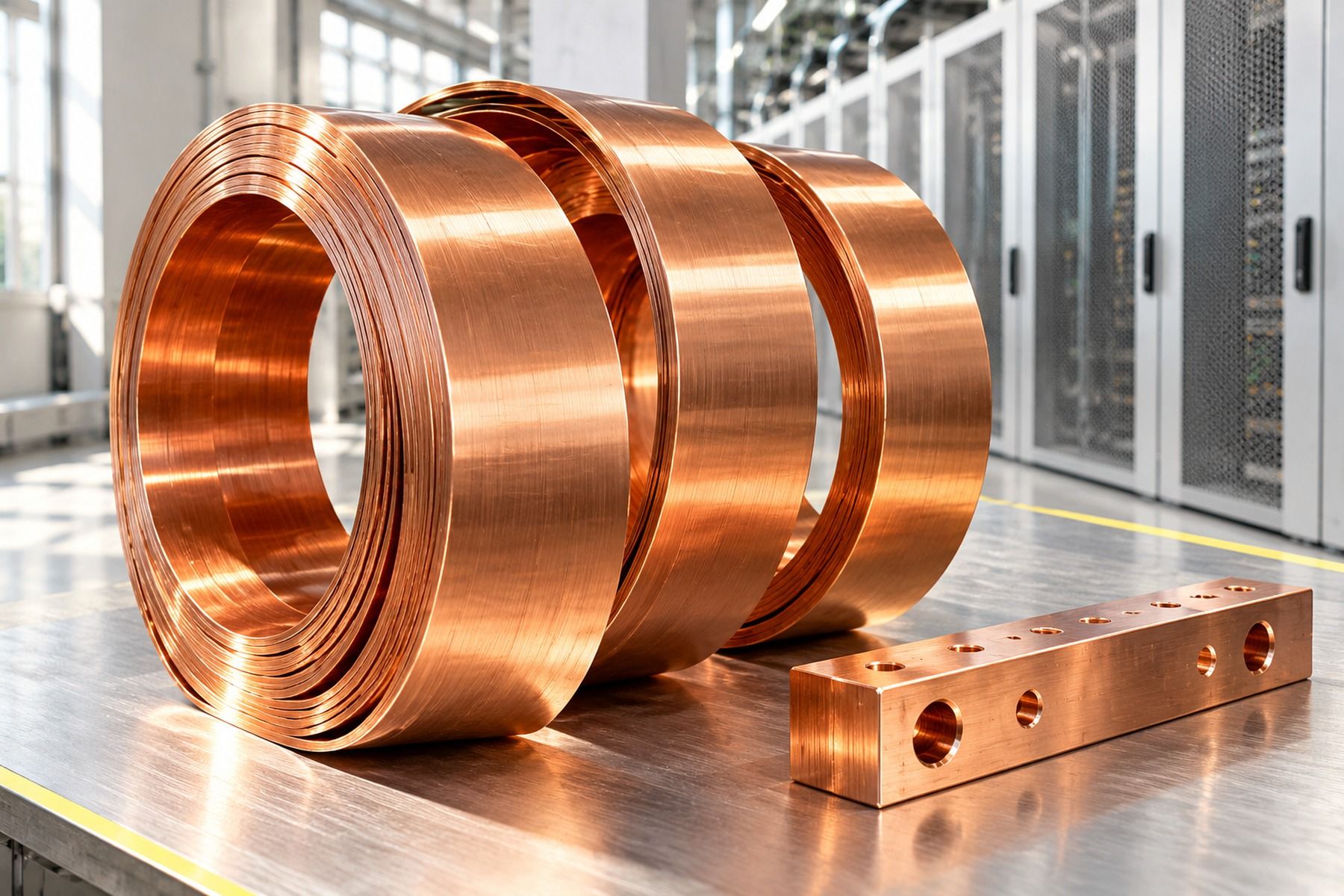
AI needs electricity, and getting that electricity from a generator to a server requires physical infrastructure. Copper is used in power delivery, cooling and equipment inside data centers, as well as the grids supplying them.
The demand story extends well beyond AI. Construction, manufacturing, electric vehicles and renewable energy all compete for the same material.
That physical constraint also runs through Blockster’s coverage of energy as a scarce asset in the AI economy: better software still needs power plants, transmission lines and data centers to put it to work.
S&P Global’s Copper in the Age of AI study projects global copper demand rising from roughly 28 million metric tons in 2025 to 42 million by 2040, an increase of 50%. It also estimates that electric vehicles require about 2.9 times as much copper as conventional cars.
Meeting that demand will require additional supply. The study projects a potential 10 million metric ton shortfall by 2040 without meaningful expansion. These are long-term forecasts, rather than a prediction that copper prices will move steadily higher.
For investors following the AI buildout, copper offers exposure to one of the materials needed to make it happen.
The push to create markets around AI’s inputs extends to computing itself. Arthur Hayes’s proposed Flop market aims to help buyers and suppliers manage computing costs, although that project remains in development.
What an xCu Token Represents
Metals.io says the copper backing xCu is held in industry-standard bonded warehouses and meets the chemical and physical specifications used in the spot copper market.
The platform describes its tokenization model as fractional beneficial ownership: a blockchain record tracks interests in physical metal held in storage. Its infrastructure uses Etherlink, built on Tezos.
That structure differs from owning shares in a copper miner, whose performance also depends on operating costs, management and individual mines. Futures-based products introduce another set of considerations, including contract expiry and the cost of replacing expiring positions.
Physically backed copper investment products already exist. Sprott’s Physical Copper Trust, for example, launched in June 2024. What Metals.io is adding is a way to hold and trade fractional interests through a blockchain-based platform.
Ben Elvidge, Head of Alternative Assets at Trilitech, said the team is applying experience gained from tokenized uranium to other industrial metals.
“Metals.io was built to enable access to the critical metals powering the technological revolution.”
— Ben Elvidge, Head of Alternative Assets, Trilitech
Elvidge described xCu as a way to connect a tangible commodity with demand from electrification and technological expansion. The broader ambition is to make metals easier to own without requiring each investor to arrange storage and handling.
Digital Access, Physical Obligations
Putting ownership on a blockchain changes how investors access and transfer an asset. The quality of its custody, legal structure and redemption arrangements still matters.
Metals.io’s platform guidance says physical redemption is subject to conditions that vary by asset. Access also remains subject to applicable screening and product restrictions.
Nor does continuous trading guarantee a sale at the underlying copper price. The platform says there is no formal peg to spot prices; market makers and arbitrageurs are expected to help keep prices broadly aligned. Liquidity and trading conditions can affect the price investors receive.
Metals.io addressed these distinctions in an October 19 post, explaining that digital access still depends on physical custody and legal documentation:
Post from @metalsofficialView the original post on X↗
Copper prices can fall as economic activity slows or supply improves. Token holders also face risks associated with custody, trading liquidity and smart contracts. Physical backing does not remove those risks.
Six Assets, One Metals Platform
With copper added, the lineup now includes xCu copper, xU3O8 uranium, VNXAU gold, RARE strategic metals, xCo cobalt and xNi nickel.
The expansion builds on Metals.io’s launch covered by Blockster in March, when the platform brought gold and strategic metals together with its existing uranium offering.
The launch also sits within a wider move toward continuous markets. ICE’s investment in Trade[XYZ] targets a proposed U.S. venue for 24/7 perpetual futures. Those are derivatives tied to asset prices; xCu represents an interest in physical copper.
Copper adds a material used across several of the industries driving that expansion: construction, transport, electricity generation and computing. The launch extends tokenization into another part of the physical supply chain supporting the digital economy.
Published by Tezos on its Blockster Station