

If there were still doubts about whether the AI boom has real legs, Nvidia just put them to rest. The company is forecasting $65 billion in revenue for fiscal Q4 2026 — a number that doesn’t just beat expectations, but reframes how large AI infrastructure spending is becoming.
AI’s breakout moment may have started with ChatGPT in late 2022, but what’s happening now is different. This is no longer experimentation. It’s global infrastructure build-out at scale — and Nvidia is at the center of it.
A Forecast That Changes the Scale
Nvidia posted $57 billion in revenue in fiscal Q3, already a record and up 62% year over year. Its Q4 guidance pushes that trajectory even higher, signaling acceleration rather than slowdown.
Year over year, the forecast implies a 65% increase over what was previously considered peak demand — driven almost entirely by AI data center infrastructure.
On the earnings call, CFO Colette Kress made it clear the constraint isn’t demand — it’s capacity. Orders for Nvidia’s latest platforms, Blackwell and its successor Vera Rubin, continue to exceed expectations. Rubin isn’t expected to launch until late 2026, yet demand is already lining up...
Post from @LenovoView the original post on X↗
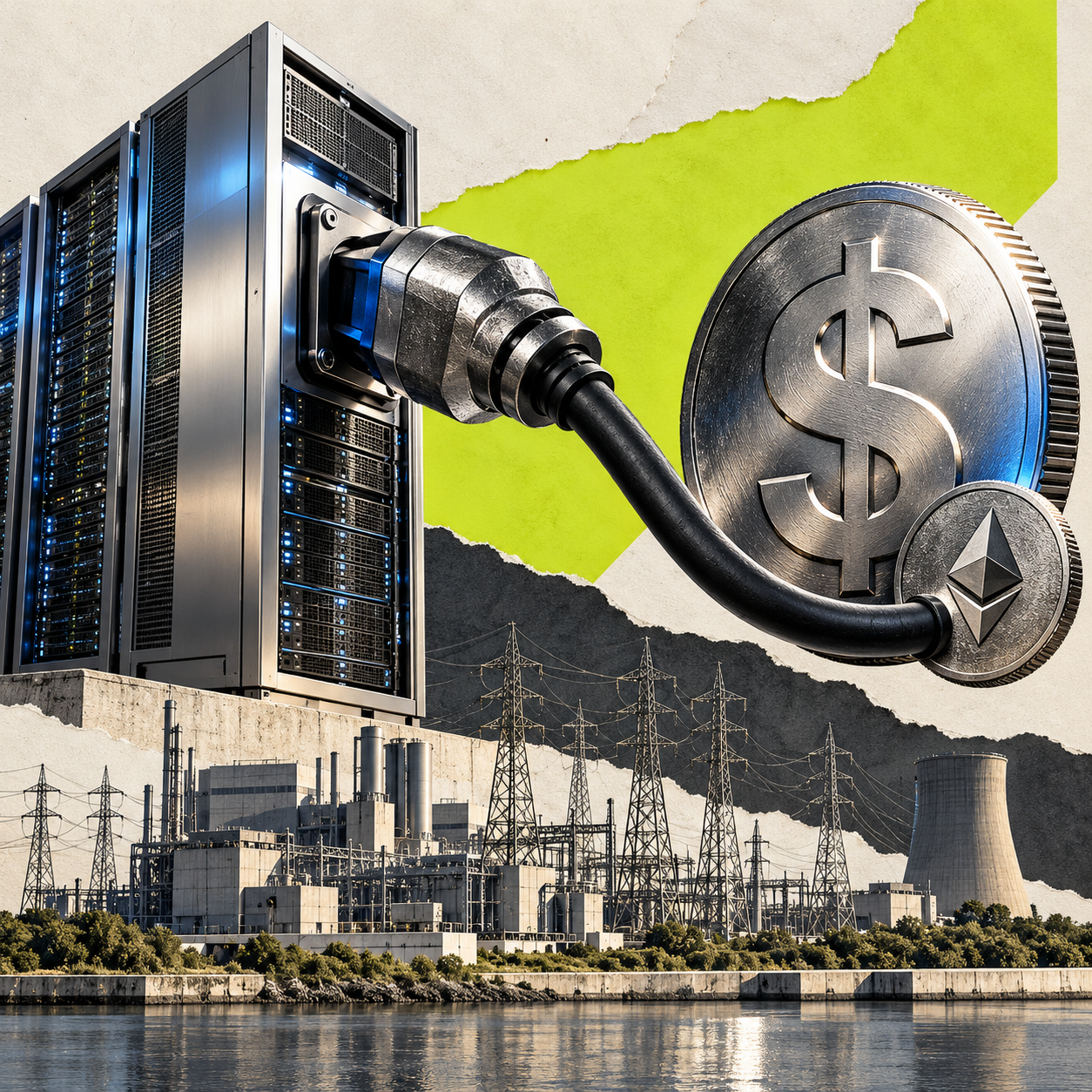
What’s critical here is that this demand surge doesn’t exist in a vacuum. AI infrastructure at this scale requires massive energy expansion, and Washington is moving to support it. Under Trump, the U.S. is shifting into warp speed on energy policy — prioritizing power generation, grid expansion, and industrial build-out to ensure AI data centers can scale without bottlenecks. Energy security is quickly becoming AI security.
In total, Nvidia now has visibility into roughly $500 billion in Blackwell and Rubin revenue through 2026, with $150 billion already shipped.
Not a Bubble — a Platform Shift
With Nvidia’s stock up roughly 39% in 2025, bubble talk was inevitable. CEO Jensen Huang’s response was simple: AI isn’t one trend — it’s three platform shifts converging at once.
First, computing is moving away from CPUs toward accelerated architectures capable of handling massive parallel workloads.
Second, generative AI is being deployed across governments and enterprises at real scale.
Third — and most transformative — is agentic and physical AI: autonomous systems, robots, and machines that can reason and act in the real world.
Together, these shifts point to a multi-year buildout, not a short-lived cycle.
The Ecosystem Confirms It
The broader AI ecosystem supports that view. OpenAI reportedly reached 800 million weekly users in 2025, while Anthropic is said to be operating at a $9 billion annualized run rate, with projections climbing sharply in 2026.
At the macro level, UN estimates suggest the global AI market could expand from $189 billion to $4.8 trillion by 2033.
Not every AI company will survive. Nvidia, however, has positioned itself as the infrastructure layer the entire ecosystem depends on.
Post from @theprasad_View the original post on X↗
Where AI, Productivity, and Crypto Converge
Here’s the part most people miss.
Agentic and physical AI don’t just make smarter software — they fundamentally increase productivity. When autonomous systems can reason, transact, and execute in real time, decision-making costs collapse, output expands, and industries move faster.
When productivity explodes, capital has to move differently — and that brings crypto and blockchain back into focus.
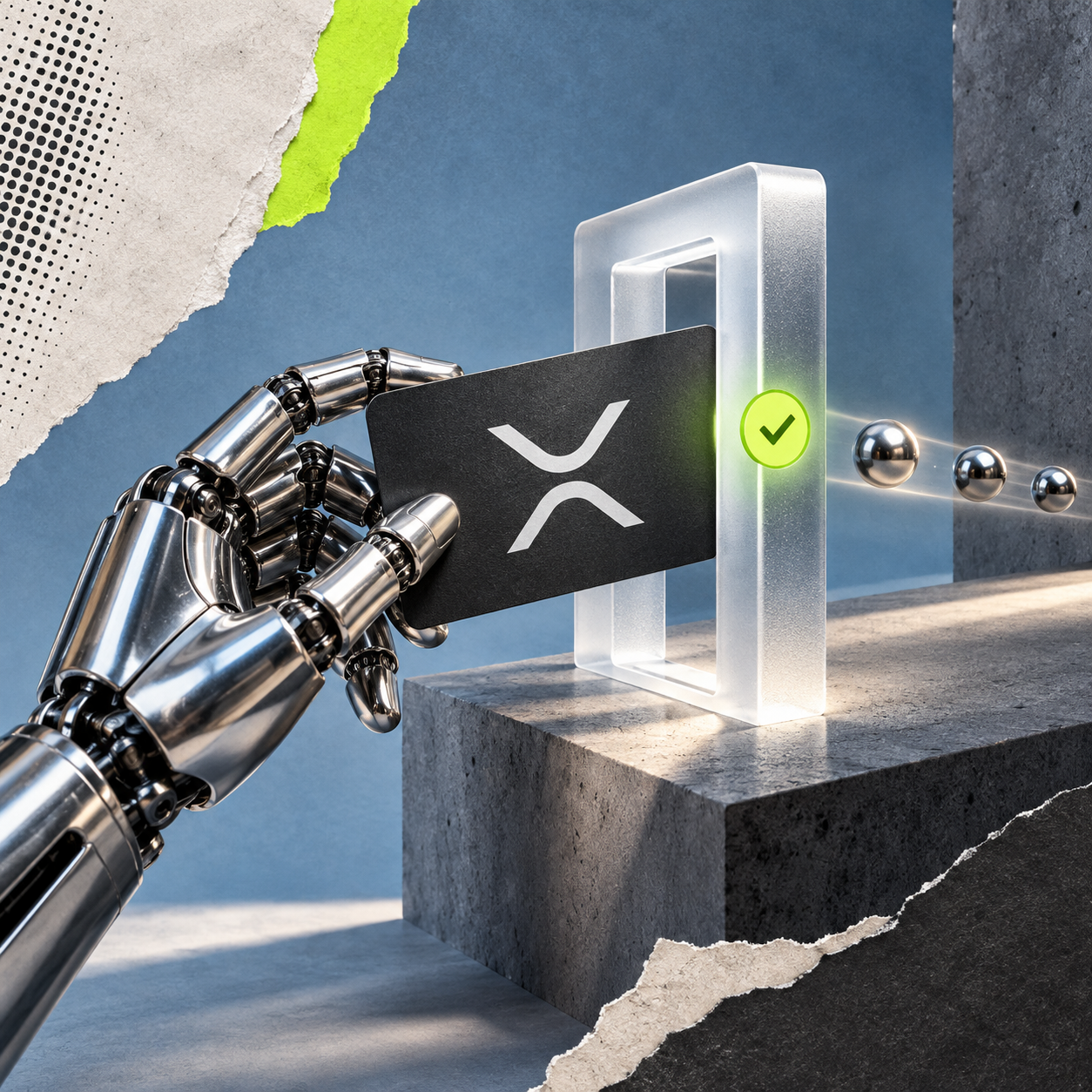
AI systems need native digital rails: programmable money, onchain settlement layers, and verifiable ownership that operate 24/7. Traditional financial infrastructure wasn’t built for machine-to-machine economies — but blockchains were. Decentralized networks provide the rails for:
Automated settlement between AI agents
Onchain identity and verification
Tokenized ownership of digital and real-world assets
Transparent coordination across global systems
In other words, AI creates the demand — crypto provides the plumbing.
Post from @xStocksFiView the original post on X↗
That’s why major productivity shifts historically coincide with structural market cap expansion in new asset classes: as value creation accelerates, capital flows toward the systems that best support velocity.
If AI-driven productivity unfolds as Nvidia expects — injecting trillions of dollars of new output into the global economy — crypto doesn’t need hype to grow. It grows by absorbing activity: more transactions, more coordination, more value moving onchain.
That’s how cycles expand — structurally, not overnight. And Nvidia’s $65B forecast makes one thing clear: this cycle is still in its early infrastructure phase.
Onchain Nvidia Exposure: Where to Buy xStocks
For investors thinking about onchain exposure to Nvidia’s growth, tokenized stocks — commonly called xStocks — offer a way to trade equity-like tokens tied to major U.S. companies directly on blockchain platforms.
These tokens mirror real stock prices but trade onchain like any other digital asset. They’re designed to offer 24/7 trading and blockchain-native settlement, often without needing a traditional brokerage account.
You can access Nvidia xStock tokens (often listed as NVDAx or similar) through protocols and exchanges such as:
Kraken, which offers tokenized U.S. stocks onchain with 24/7 trading.
xStocks platforms that are building tokenized stock rails compatible with DeFi wallets.
Solflare, which lets users trade tokenized stocks (including Nvidia) directly from a wallet using crypto like USDC or SOL.
Direct token listings on DEXs and trading pairs such as NVDAX/USDT on platforms tracked by market aggregators.
These onchain equity tokens give you price exposure to Nvidia without needing a traditional brokerage, although they typically do not grant shareholder voting rights or direct corporate ownership.
Reporting by Lidia Yadlos