
Crypto moves at internet speed, but wallets still expect users to slow down. Most interfaces are built around manual inputs, nested menus, and fragmented tools that force people to constantly switch between charts, social feeds, and dashboards just to keep up. The result is a familiar pattern across the industry. Missed moments. Delayed execution. Decisions driven by FOMO instead of clarity.
Solflare is approaching the problem from a different angle. Instead of asking users to adapt to increasingly complex wallet UX, the team is asking what happens if the wallet adapts to the user. What if intent came first, and execution followed naturally.
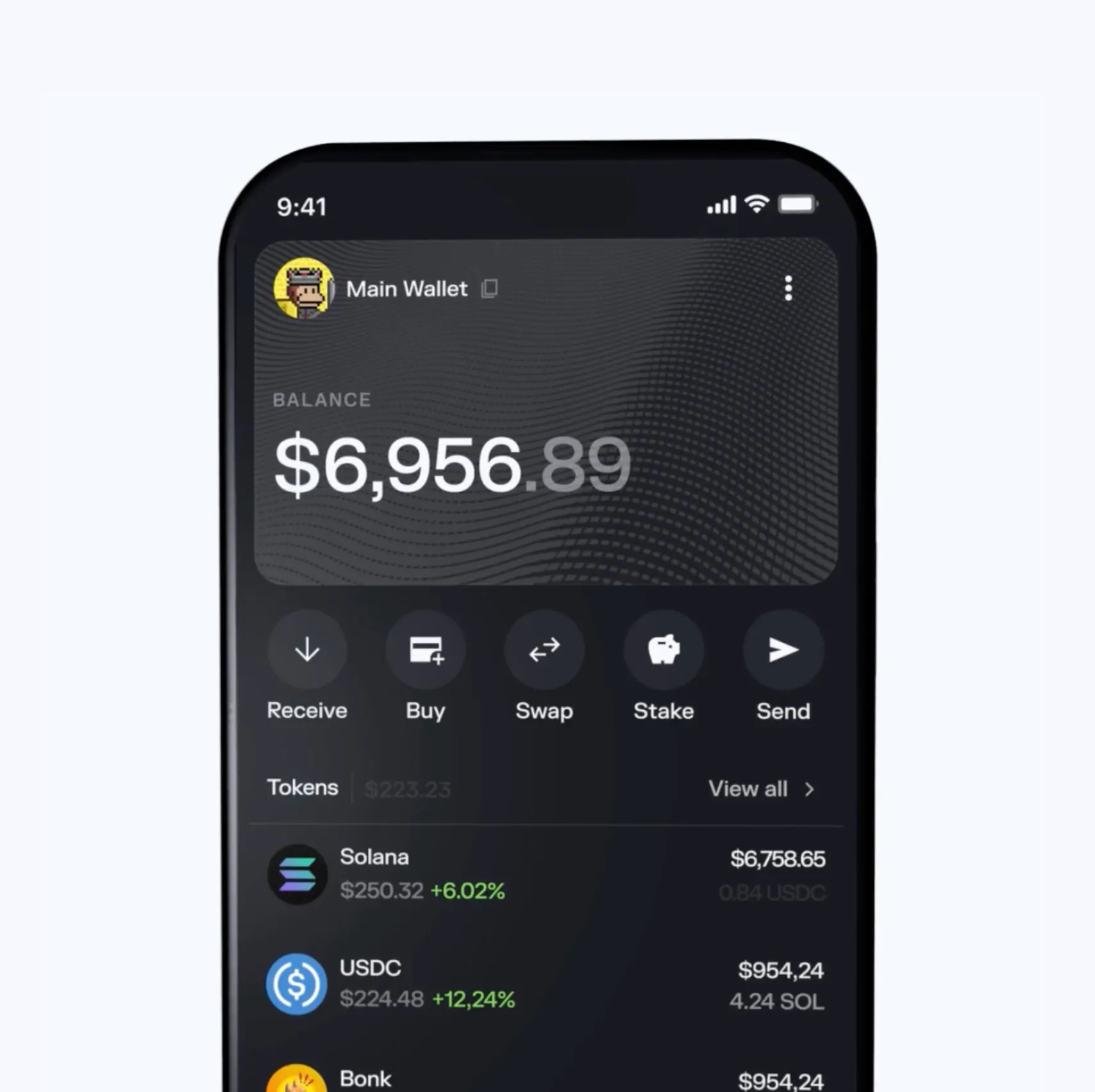
At Solana Breakpoint 2025, Solflare revealed its answer with the alpha release of an in wallet AI assistant designed to translate natural language into on-chain action. The goal is not to add another feature, but to rethink how people interact with their wallet entirely.
Post from @solflareView the original post on X↗
Solflare Debuts In Wallet AI Assistant at Solana Breakpoint 2025
During Solana Breakpoint 2025, Solflare announced the alpha launch of its in wallet AI assistant, introducing a conversational way to interact with the Solflare wallet across web and mobile. The alpha release is rolling out to a limited group of users, including select Solflare Guardians and community members, with broader access available through a waitlist as the product matures.
The AI assistant introduces a chat based interface paired with a dedicated automation dashboard. Through chat, users can execute transactions, automate trades based on time or price conditions, set token price alerts, and analyze social sentiment. These actions are supported by real time market data alongside live signals from platforms such as X and Telegram. For newer users, the assistant also provides in wallet answers to fundamental crypto questions, reducing the need to leave the wallet to find basic information.
A separate dashboard allows users to view, manage, and cancel active automations at any time. While the AI can prepare actions and surface opportunities, control remains firmly with the user. Every AI initiated transaction still requires manual review and confirmation before it can be executed on chain.
Post from @solflareView the original post on X↗
Under the hood, Solflare’s AI assistant is built using an intent based, solver driven architecture. Users interact with a single Solana first interface, while distributed solvers operate behind the scenes to coordinate across protocols, execute transactions, and return a unified result. This approach removes the need for fragmented tools while preserving flexibility and performance across the Solana ecosystem.
According to Solflare's Co-Founder and Co-CEO Vidor Gencel, the assistant is designed to close the gap between how fast markets move and how much attention users can realistically give them. By allowing users to act through natural language, Solflare reduces friction between intent and execution, enabling faster and more purposeful decisions directly inside the wallet.
Co Founder and Co CEO Filip Dragoslavic described the alpha release as an early step toward a broader vision. Over time, Solflare aims to let users deploy complex trading and DeFi strategies across Solana protocols using plain human language, minimizing the need for multiple tools, tabs, and interfaces while giving users greater control and clarity.
Filip Speaks with Blockster at Solana Breakpoint 2025
The conversation begins with a look at the current state of the crypto ecosystem, particularly the persistent friction around on ramps and off ramps. While the industry has made significant technical progress, accessing crypto and moving value in and out of the system remains one of the biggest hurdles for everyday users. The discussion highlights how these entry and exit points continue to shape user experience, adoption, and trust, setting the stage for why wallet design and usability matter more than ever.
“Basically we have the traditional system of DeFi and crypto that’s up and coming and we feel like within the next 5 years there will be a merger of these worlds."
Filip Dragoslavic, Co-founder of Solflare
Filip envisions a future where accessing DeFi loans and earning yield feels intuitive and approachable, not technical or intimidating. In that world, users are able to borrow, lend, and put their assets to work through simple, user-friendly interactions, effectively decoupling financial participation from traditional finance systems. Rather than relying on banks or legacy intermediaries, users can engage directly with on-chain financial tools in a way that feels natural, transparent, and fully under their control.
Another point Filip emphasizes is the importance of self custody. He argues that by making crypto wallets fundamentally better and more intuitive, self custody becomes less intimidating for the general population. When the tools are easier to understand and use, people are more willing to take ownership of their assets rather than relying on centralized intermediaries.
“That’s a core tenant of Solfare, and that’s everything should be self-custody.”
Filip Dragoslavic, Co-founder of Solflare
Identifying The Core Use Cases of Crypto
Beyond self custody and DeFi yields, Filip points to one of crypto’s most fundamental strengths: the ability to move value freely, regardless of size or geography. In the same system, a user can send five cents or five hundred billion dollars across the world without relying on intermediaries, and without the transaction breaking simply because the amount is too small or too large.
He emphasizes that this neutrality around value is something traditional financial systems have never been able to offer. Legacy rails are built with thresholds, gatekeepers, and exclusions. Crypto, by contrast, treats every transaction the same. What matters is intent, not status, account type, or geography.
For Filip, this capability reinforces why usability matters so much. If crypto can move any amount of value anywhere in the world, the limiting factor is no longer the technology itself, but whether everyday users can actually access and understand it. Improving wallet design is not just about convenience. It is about unlocking the core promise of crypto for a much broader audience.
Post from @ODClarenceView the original post on X↗
Despite these advantages, Filip is clear that crypto still feels daunting to many new users. The complexity, unfamiliar language, and fear of making irreversible mistakes continue to act as barriers to entry. This is precisely where he believes better wallet design can change the trajectory of adoption.
By introducing an AI assistant that understands intent and reduces cognitive load, Solflare aims to make interacting with crypto feel less like navigating infrastructure and more like having a guided conversation. The technology does not remove responsibility, but it does remove unnecessary friction, setting the stage for a more approachable on ramp into on chain finance.
How AI Integrates with Crypto Through Solflare
As alluded to in their presentation at Breakpoint, Solflare’s AI assistant is not meant to replace user decision making, but to act as an interface layer that simplifies how those decisions are carried out. Filip explains that the assistant is designed to help users express what they want to do in plain language, while the underlying system handles the complexity of execution behind the scenes. By shifting the focus from mechanics to intent, Solflare aims to reduce the intimidation factor that often stops new users from fully engaging with crypto in the first place.
He offers a simple example to illustrate how this works in practice. A user can ask the AI assistant directly inside the wallet what the best yield opportunities are at any given moment. Instead of sending the user off to compare protocols, dashboards, and rates manually, the assistant can surface relevant options, explain them simply, and prepare the actions needed to participate. The user remains in control at every step, but the friction of discovery and setup is dramatically reduced.
Speed is another theme Filip returns to repeatedly. In crypto, opportunities can appear and disappear in minutes, sometimes seconds, and the delay between intent and execution often determines the outcome. AI helps compress that window. By reducing the number of steps between deciding what to do and actually doing it, the wallet becomes a tool for timely action rather than a bottleneck. In a fast moving market, that difference matters.
“What we want is to basically accelerate the time from intent to execution."
Filip Dragoslavic, Co-founder of Solflare
Filip also touches on how the interface itself evolves around each individual user. Rather than presenting the same rigid layout to everyone, the wallet adapts based on how a person interacts with it, what they care about, and how they typically use crypto. Over time, the experience becomes more personalized, surfacing relevant information and actions instead of overwhelming users with everything at once. This adaptive approach helps reduce noise, making the wallet feel less like a dashboard and more like a tailored financial tool.
It’s clear how excited Filip is about what’s coming next, especially with many of these developments expected to roll out within the next few months. As the conversation continued, it naturally shifted from what’s on the horizon to what is already live, turning toward Solflare Shield and how it fits into the broader wallet experience.
Solflare Shield Revealed at Solana Breakpoint 2025
The Solflare Shield is a self custodial debit card partnered with Mastercard, and Filip explains why that distinction matters. Unlike traditional crypto cards that rely on custodians or intermediaries, Solflare Shield allows users to spend directly from a self custodial wallet while maintaining full control of their assets. Partnering with Mastercard bridges on chain finance with the existing global payment network, making crypto usable in everyday life without forcing users to give up ownership or security.
For Filip, this represents a meaningful step forward. It shows that self custody does not have to come at the expense of convenience, and that crypto native tools can integrate with real world financial infrastructure without reverting to centralized models. Being able to hold your assets on-chain and still spend them anywhere Mastercard is accepted signals how close crypto is to functioning as a true parallel financial system.
Post from @solflareView the original post on X↗
Filip also points out how hardware wallets, while designed for security, have gradually become more complex and less accessible for everyday users. The need to charge devices, connect cables, and wire them to other hardware introduces friction that works against portability and ease of use. Instead of feeling empowering, these tools can feel cumbersome, especially for people who want to manage their assets on the go.
In contrast, he describes Solflare Shield as a more practical alternative. It is portable, self custodial, and designed to work seamlessly without the constant setup overhead that traditional hardware wallets require. At a price point of $49, Filip emphasizes that accessibility is part of the design philosophy, lowering the barrier for users who want strong security without added complexity or high cost.
Final Thoughts
As the conversation came to a close, Filip did not shy away from the amount of work the entire crypto industry, including Solflare, still had ahead. Despite increasing user adoption, he acknowledged that crypto remained complex and often inaccessible for many people. For Solflare, that reality reinforced the need to keep building. Improving usability, strengthening self custody, and lowering barriers to entry were ongoing challenges, not solved problems.
With that being said, it’s clear that Solflare is approaching these challenges with intention. Rather than chasing short term trends, the team is focused on building tools that make crypto more usable, more accessible, and more intuitive over time. From self custody to AI driven experiences, their efforts point toward a future where interacting with crypto feels less complex and more aligned with how people actually want to use financial tools.
Reporting by Lidia Yadlos