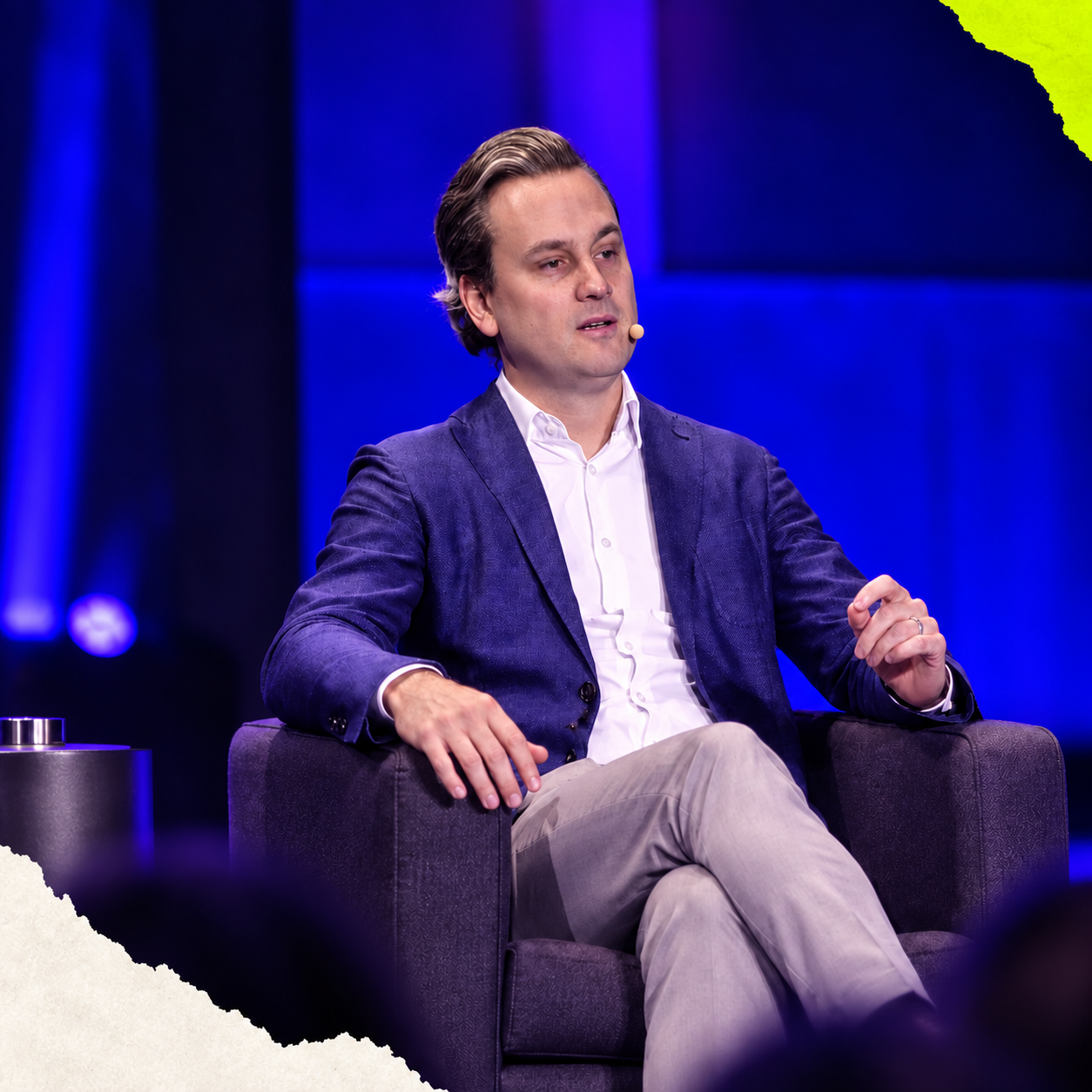

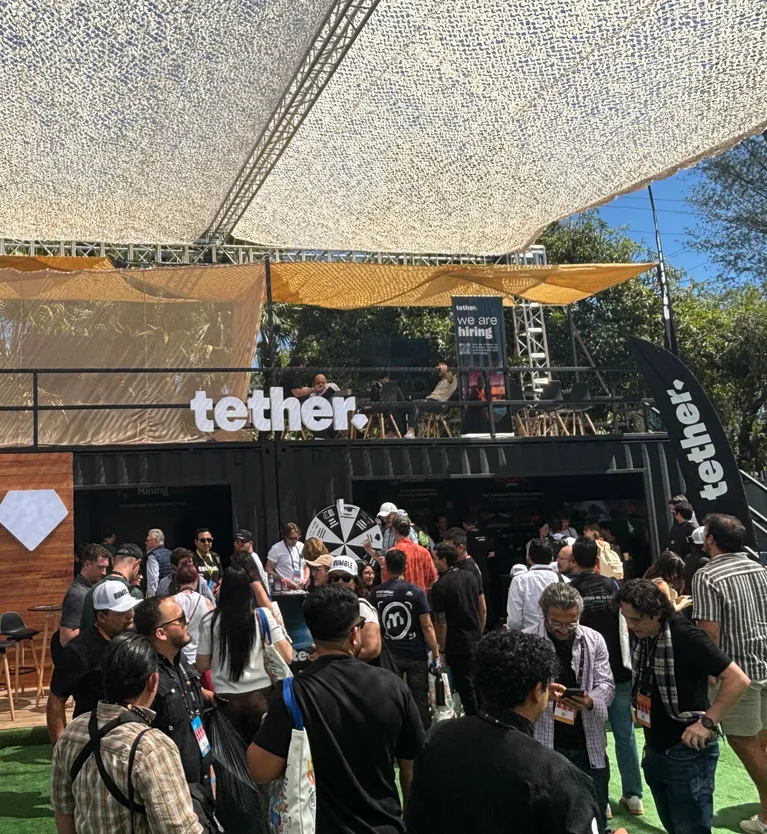
This week, the stablecoin giant confirmed a $150 million investment into Gold.com, securing roughly 12% ownership and a board seat in one of the world’s largest precious-metals marketplaces. This marks one of Tether’s most significant expansions into physical assets yet, reinforcing a broader strategy that blends digital liquidity with real-world collateral.
—
The investment comes on the back of a formidable balance sheet. Tether reported over $10 billion in profits last year, giving it the financial flexibility to deploy capital where few crypto-native firms can. With gold prices elevated and inflation concerns persistent, Tether is positioning itself at the intersection of digital dollars and hard assets.
Post from @paoloardoinoView the original post on X↗
Controlling the Phygital Stack
Gold.com operates major retail bullion platforms, including JMBullion, selling physical gold, silver, and platinum at scale. By acquiring more than 3.3 million shares, Tether isn’t acting as a passive investor — it’s vertically integrating.
The goal is clear: connect Tether Gold (XAUT) directly to physical sourcing, vaulting, and distribution.
Instead of relying on third-party intermediaries, Tether now has a direct stake in the physical supply chain backing its tokenized gold product.
As Tether’s Head of Special Projects Juan Sartori framed it, the strategy merges physical gold logistics with digital asset infrastructure, strengthening trust and transparency for real-world asset (RWA) products.
Post from @tetherView the original post on X↗
Liquidity Loops and Yield on Hard Assets
As part of the deal, Gold.com will reinvest $20 million directly into XAUT, creating immediate liquidity and distribution through its retail channels. Tether is also providing a gold leasing facility of at least $100 million, a critical tool in the precious metals industry that allows dealers to hedge inventory without locking up capital.
For Tether, this creates something rare in crypto: a yield-generating loop backed by physical metal, where users can move seamlessly between stablecoins, tokenized gold, and vaulted bars.
It’s a closed-loop system — digital liquidity on one side, physical collateral on the other.
Turning USD₮ Into Institutional Payment Rails
Tether’s expansion into gold is only one side of the strategy. The other is payments infrastructure.
Alongside its RWA push, Tether recently announced a strategic investment in t-0 network, a USD₮-powered settlement platform built for licensed banks and fintechs to move money across borders instantly, with minimal fees and reduced FX exposure.
Post from @t0networkView the original post on X↗
Rather than competing with financial institutions, t-0 is designed to connect them.
Each side of a transaction sends and receives funds in local currency, while USD₮ is used behind the scenes as the settlement asset. Transactions are recorded, matched, and netted across the network before final balances are settled — meaning institutions only move what’s owed, not gross amounts.
The result is a structural shift in how cross-border payments behave:
Near-instant settlement
Lower FX risk
Reduced capital requirements
Fewer intermediaries
International transfers begin to feel local.
t-0 operates as non-custodial infrastructure, connecting licensed institutions through a single API.
Instead of slow correspondent banking rails, participants settle net balances using USD₮’s global liquidity — turning the stablecoin into market plumbing, not a speculative instrument.
As Tether CEO Paolo Ardoino put it, the platform addresses “the complexity of international payments by combining real-time settlement, cost efficiency, FX transparency, and global reach.”
—
Read More
Earlier this year, Tether also open-sourced its Bitcoin Mining OS (MOS) — a modular, hardware-agnostic platform designed to modernize mining infrastructure and reduce reliance on proprietary systems. The release reinforced the same theme now playing out across gold and payments: standardized tooling, transparency, and long-term system resilience.
Reporting by Lidia Yadlos