
TenX Protocols is making a long-term infrastructure play on Tezos.
—
The digital asset treasury firm (DAT) announced it has acquired 5.54 million XTZ as part of a strategic staking partnership with the Tezos Foundation, reinforcing its role as an active validator on the network.
Post from @TenXprotocolsView the original post on X↗
The acquisition was completed between January 2 and January 19, 2026, at an average price of $0.5868 per XTZ, funded from existing cash reserves following TenX’s August 2025 financing.
Rather than a speculative treasury allocation, the move reflects TenX’s validator-first strategy, focused on generating recurring revenue through staking while directly supporting the networks it helps secure.
As we scale our validator operations, Tezos stands out for its governance model, technical maturity, and reliability.
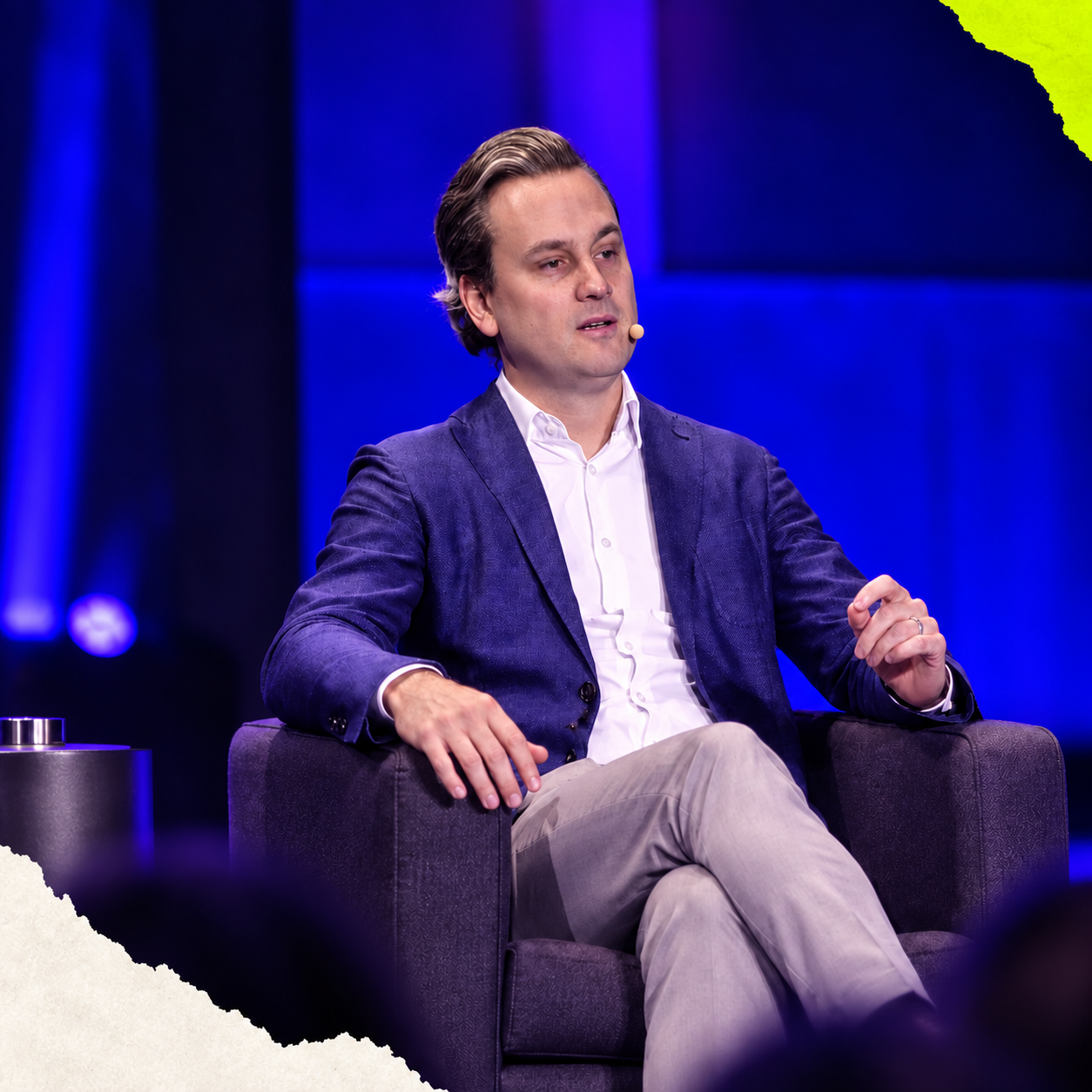
Mat Cybula, CEO of TenX
A Validator-Centric Strategy
As part of the partnership, the Tezos Foundation has indicated its intention, subject to standard approvals, to delegate a portion of its XTZ holdings to TenX-operated validators, further aligning the company’s infrastructure operations with the long-term health of the network.
For Tezos leadership, the alignment is deliberate.
TenX sees what others have missed: Tezos combines battle-tested governance with the scaling and performance the industry has been chasing.
Arthur Breitman, co-founder of Tezos
Tezos has established itself as a durable, institution-friendly Layer 1, with onchain governance enabling continuous upgrades and improved staking efficiency — a key factor behind TenX’s decision.
The network is also expanding its footprint across DeFi, gaming, and digital art — including through Etherlink, its EVM-compatible Layer-2 — positioning Tezos as a flexible, institution-friendly blockchain at a time when reliability and uptime matter more than hype.
Post from @MarketOneMediaView the original post on X↗
TenX’s Multi-Chain Treasury Strategy
The Tezos allocation perfectly fits within TenX’s multi-chain digital asset treasury strategy. Today, the company additionally operates across Solana, Sui, and Sei, reflecting a view that future financial infrastructure will span multiple high-throughput blockchains rather than a single dominant network.
By running validators across supported networks, TenX converts its crypto holdings into recurring, yield-driven revenue, reinforcing a model built for long-term compounding rather than passive exposure.
Reporting by Lidia Yadlos