

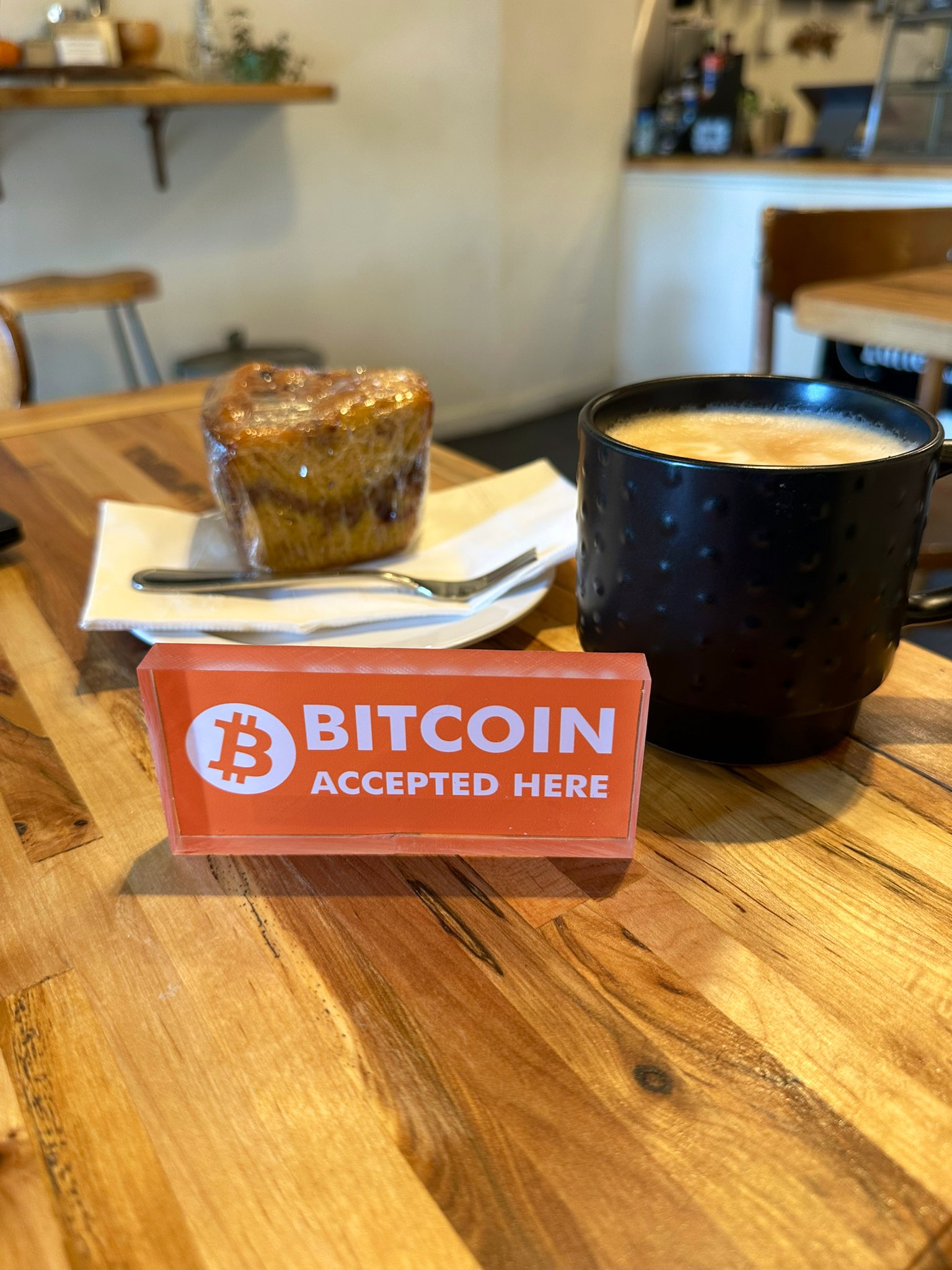
Millions of merchants using Square, the popular point‑of‑sale platform owned by Block Inc., are now able to accept Bitcoin (BTC) payments natively through Square’s payment ecosystem. The capability is rolling out in 2026 after years of development and test deployments, marking one of the largest single expansions of Bitcoin payment acceptance in everyday commerce.
—
The change builds on Block’s broader strategy of integrating Bitcoin into its products and reflects the company’s long‑standing commitment to making cryptocurrency a practical medium of exchange, not just an investment asset.
Block’s recent Terms of Service update for Square shows that Bitcoin payments will be enabled by default for most eligible sellers, meaning merchants only need to opt out if they prefer not to accept BTC.
Post from @SquareView the original post on X↗
What This Means for Merchants
Square serves over 4 million sellers around the world, providing point‑of‑sale hardware, software, and online payment solutions. By automatically enabling Bitcoin payments within this existing infrastructure, Block is removing one of the biggest barriers to crypto adoption — technical setup and onboarding.
Merchants with Square terminals will be able to accept Bitcoin at checkout. Buyers can use Bitcoin via standard wallet apps and the Lightning Network — a layer‑2 payment protocol that enables faster, lower‑fee Bitcoin transactions — for near‑instant settlement at point of sale.
Businesses that prefer not to accept BTC can still disable the feature within their Square dashboard, but the default‑enabled model was intentionally designed to maximize exposure and encourage adoption.
Block’s Bitcoin Strategy
This rollout aligns with Block CEO Jack Dorsey’s long‑standing advocacy for Bitcoin as a foundational digital currency. Over the years, Block has integrated Bitcoin across multiple products and initiatives, including:
Cash App — Block’s consumer payments app offering Bitcoin buying and selling.
Spiral — Block’s open‑source Bitcoin development arm (formerly Square Crypto).
Bitkey — A self‑custody Bitcoin hardware wallet.
Proto and other infrastructure efforts aimed at expanding Bitcoin ecosystem tools.
These initiatives reflect Block’s broader view that Bitcoin should be integrated deeply into financial infrastructure rather than treated solely as a speculative asset.
Post from @milessuterView the original post on X↗
A Shift in the Adoption Playbook
What makes this implementation noteworthy is its default‑on model. Most payment processors that support crypto — such as PayPal, Stripe, or Coinbase Commerce — require merchants to actively enable cryptocurrency options within their settings. Block’s approach flips that logic: merchants will automatically have Bitcoin acceptance set up unless they opt out.
Industry observers see this design choice as a potential catalyst for broader adoption because it removes a key decision barrier for sellers. Even a small percentage of the millions of Square‑enabled merchants choosing to keep Bitcoin payments active could significantly increase everyday Bitcoin utility.
Industry and Ecosystem Implications
If consumer usage follows the infrastructure buildout, the impact on Bitcoin’s role as a medium of exchange — rather than just a store of value — could be meaningful.
Real‑world spending options have historically lagged behind Bitcoin’s investment narrative. Square’s merchant rollout pushes the protocol closer to mainstream usage in commerce.
For consumers, the expansion means more places where Bitcoin can be used directly at checkout, without needing to convert to fiat before paying — an innovation that could make cryptocurrencies more practical for everyday transactions.
Post from @milessuterView the original post on X↗
What to Watch Next
Several open questions remain as this rollout continues:
Merchant adoption: How many merchants will actively keep Bitcoin payments enabled?
Consumer usage: Will customers choose Bitcoin at the point of sale in meaningful numbers?
Competitive responses: Will other payment platforms match this default‑on approach?
Regulatory developments: How will evolving payment and crypto regulations in the U.S. and globally affect usage and merchant offerings?
Whether this becomes a watershed moment for Bitcoin—or a quietly adopted feature—depends on how sellers and consumers engage with the new capability. Regardless, it represents a bold push to move Bitcoin closer to everyday commercial use.
Reporting by Blockster Newsdesk