

Hedge funds have taken their most aggressive bearish stance on global equities in over a decade, according to Goldman Sachs data, as a convergence of geopolitical tensions, commodity disruptions, and weakening credit conditions weighs heavily on risk sentiment across traditional and digital asset markets.
—
The funds posted the largest net short positioning on global equities in 13 years last month, reflecting what analysts describe as a sharp deterioration in risk appetite. The positioning marks a significant shift in institutional sentiment, with macro headwinds now stacking in ways that threaten systemic spillovers.
Post from @WatcherGuruView the original post on X↗
Dimon Sounds the Alarm
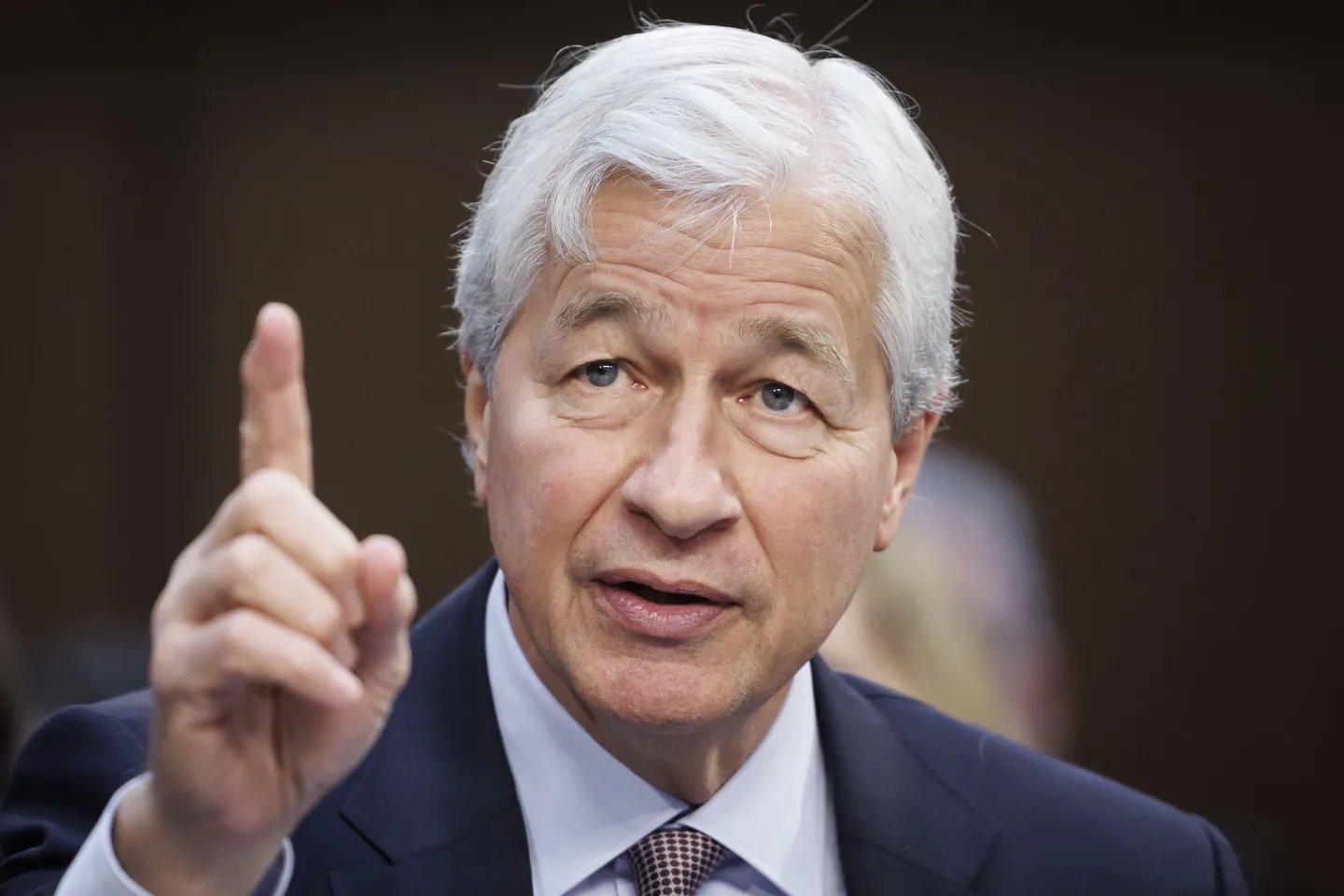
JPMorgan CEO Jamie Dimon added to the cautious tone in his latest shareholder letter, warning of oil price shocks, higher interest rates, and rising geopolitical risks that continue to pressure the U.S. economy. Despite signs of resilience in certain sectors, Dimon said the current environment combines war-related shocks, inflation risks, and weakening credit conditions into a volatile cocktail for markets.
The warnings come as oil markets remain on edge over escalating tensions in the Middle East, with disruptions around the Strait of Hormuz now extending well beyond energy.
Hormuz Blockade Threatens Global Food Supply
The Strait of Hormuz — long viewed primarily as an oil chokepoint — is now rippling through global fertilizer supply chains. Roughly one-third of the world's seaborne fertilizer trade passes through the strait, and analysts warn that sustained disruption could spiral into a multi-country food crisis.
Post from @CNBCView the original post on X↗
The fertilizer angle represents a second-order effect that markets have been slow to price in.
Rising fertilizer costs feed directly into agricultural commodity prices, which in turn drive consumer food inflation — a dynamic that could further complicate central bank rate decisions and tighten financial conditions globally.
Compounding Risk Factors
Taken together, the signals paint a picture of compounding macro risk:
Institutional positioning: Hedge funds at their most bearish in 13 years on global stocks
Energy and commodity shocks: Strait of Hormuz disruptions threatening both oil and fertilizer supplies
Credit deterioration: JPMorgan's Dimon flagging weakening credit conditions alongside inflation risks
Central bank constraints: Persistent inflation pressures limiting the scope for rate cuts
For crypto markets, which have shown increasing correlation with traditional risk assets during periods of macro stress, these headwinds matter. Institutional capital flows into digital assets tend to slow when hedge funds are de-risking broadly, and a sustained risk-off environment could pressure prices across the board.
Post from @cryptodotnewsView the original post on X↗
What to Watch
Market participants will be closely watching developments around the Strait of Hormuz, upcoming U.S. economic data releases, and any shifts in Federal Reserve rhetoric. If credit conditions continue to weaken while commodity disruptions persist, the macro backdrop could remain hostile for risk assets — including crypto — well into the second half of 2026.
Reporting by Blockster Newsdesk