
Cannes — At WalletCon 2026, Human.tech introduced a shift that challenges one of crypto’s most familiar primitives: the wallet itself.
—
With the launch of Agentic WaaP (Wallet as a Protocol), the company is rethinking how users interact with blockchain systems in a world increasingly driven by autonomous AI agents.
The idea is simple, but the implications are not — wallets are no longer interfaces you open. They become infrastructure that works in the background.
From Interfaces to Infrastructure
Agentic WaaP removes the need for traditional wallet interactions, replacing them with natural language commands and embedded authentication. Instead of manually signing transactions, users delegate defined permissions to AI agents that can execute tasks on their behalf.
These agents can trade, rebalance portfolios, and interact with smart contracts — but only within strict, user-defined limits. The system introduces “Privileges,” programmable permissions that control what an agent can do, how much it can spend, and for how long.
Anything outside those boundaries triggers a human approval layer, often delivered through simple prompts like a one-tap confirmation via messaging apps.
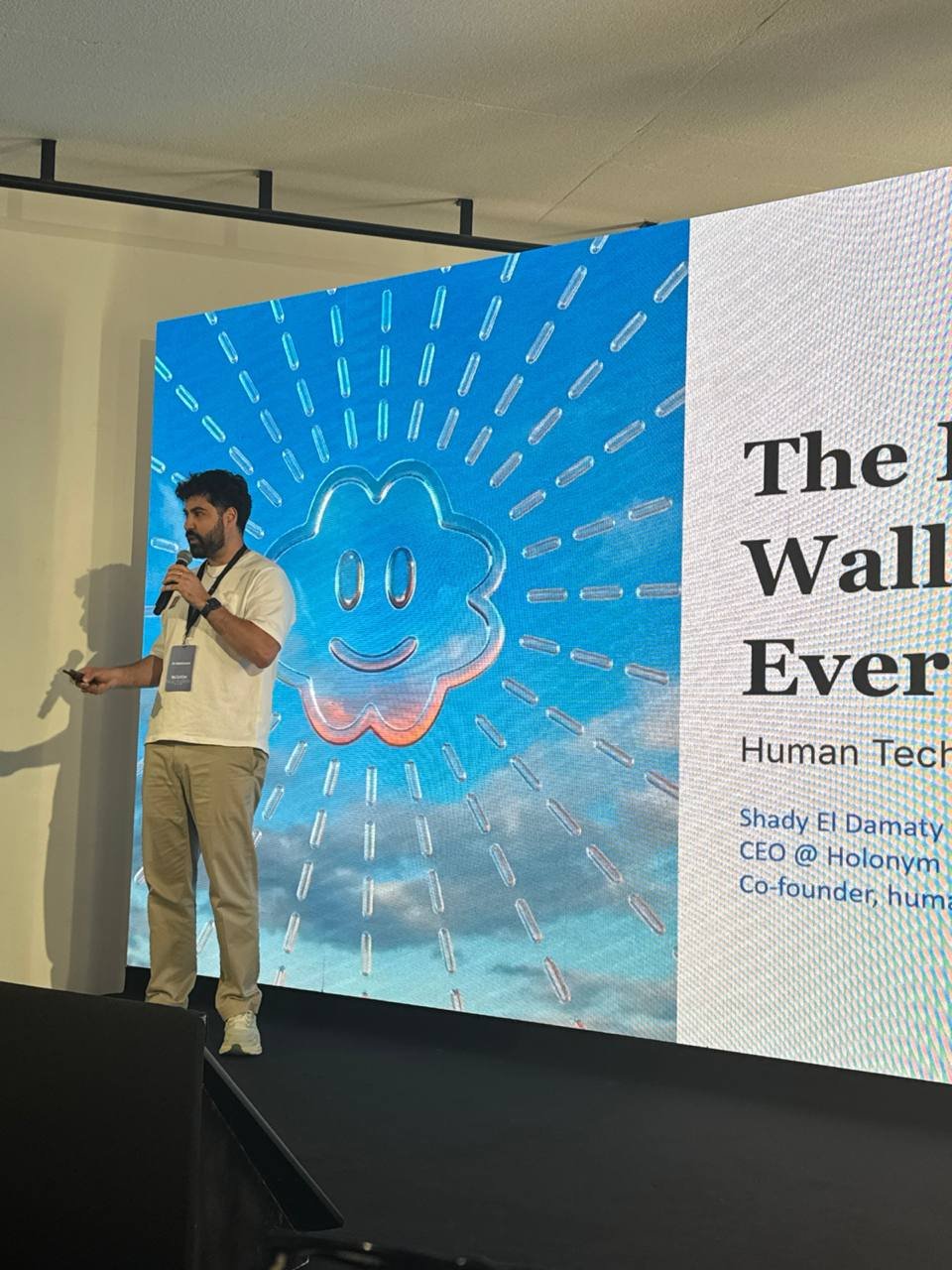
As co-founder Shady El Damaty explains, the shift isn’t about removing humans — it’s about redefining their role. Instead of executing every action, users become the root authority behind a system that operates continuously on their behalf.
Post from @humntechView the original post on X↗
Human Control, Enforced by Design
At the core of Agentic WaaP is a two-party computation custody model. Private keys are split between a user’s device and a secure enclave, ensuring that no single entity — not the AI agent, the developer, or even Human.tech — can act independently.
This architecture extends beyond wallets. It applies to sensitive data like API keys, banking access, and root credentials — areas where autonomous systems have historically introduced risk.
The result is a system where delegation does not equal surrender. AI agents gain capability, but never full authority.
Built for the Agent Economy
The launch arrives as the agent economy gains momentum, powered by frameworks like Coinbase AgentKit, LangChain, and CrewAI. These tools are rapidly enabling automation across trading, operations, and digital coordination.
At the same time, regulation is catching up. Policies such as the European Union AI Act — set to take effect in August 2026 — emphasize the need for human oversight in autonomous systems.
Agentic WaaP is designed with this dual reality in mind: accelerating automation while preserving accountability.
At WalletCon, Human.tech demonstrated how quickly this new model can be deployed — from spinning up an agent-controlled wallet in minutes to executing transactions with real-time approvals.
One showcase featured a prediction market agent launched using lightweight templates, highlighting how accessible agent-driven workflows are becoming.
The broader message is clear: user experience in crypto is shifting away from interfaces and toward intent. Instead of clicking through wallet screens, users define outcomes — and systems execute them.
Post from @WaaPxyzView the original post on X↗
Security Becomes the Product
Human.tech positions Agentic WaaP not as a wallet, but as security infrastructure for the agent era.
That distinction matters. As AI agents take on more responsibility, the risks around custody, permissions, and identity don’t disappear — they intensify.
The company’s existing ecosystem reflects that focus. Its Human Passport product has reached over 3 million users and 175+ partners, while its infrastructure has protected more than $500 million from sybil attacks and is secured by over $3 billion in restaked ETH.
What Comes Next
Agentic WaaP is now available to developers, notably without requiring API keys — a move aimed at lowering barriers to experimentation and adoption.
Looking ahead, Human.tech plans deeper integrations across agent frameworks and continued development of decentralized key management, including alignment with networks like Ika Network.
The direction is clear: as AI agents become more capable, the systems governing them must become more precise.
Wallets, in their current form, may not disappear overnight. But with Agentic WaaP, they are already starting to fade into the background — replaced by something more automated, more programmable, and still, critically, human-controlled.
Reporting by Lidia Yadlos