

Crypto debit cards have matured from novelty products into genuine spending tools, with stablecoin market capitalization now exceeding $160 billion and card networks like Visa and Mastercard fully integrated with multiple issuers.
—
The premise is simple: load stablecoins (or other crypto) onto a card-linked wallet, swipe at any compatible merchant, and the issuer converts your digital assets to local fiat in real time. No merchant-side crypto integration required.
But not all cards are created equal. Fees, cashback structures, custody models, and supported assets vary dramatically across providers. A recent community ranking circulating on X — grading cards from S-tier down to D-tier based on real usage feel, brand power, and active user base — highlights just how wide the gap has become.
Here's a breakdown, informed by the numbers and expanded to cover the full landscape.
Post from @jonxkbzView the original post on X↗
S-Tier: The Best in Class
Gnosis Pay (Visa)
Cashback: Up to 4% (paid in GNO or other tokens depending on tier). Stablecoin support: EURe (Euro stablecoin) and USDC on Gnosis Chain.
Custody: Non-custodial — this is the key differentiator. Funds remain in your on-chain Safe wallet until the moment of purchase.
Currently limited to European residents. The non-custodial model means users bear full responsibility for wallet security, and supported stablecoin options are narrower than custodial competitors. Still, for self-custody purists, Gnosis Pay is the gold standard right now.
Ether.fi Cash (Visa)
One of the most exciting entrants in 2026. Ether.fi's card lets users spend directly against their restaked ETH and DeFi positions — a genuine yield-bearing spending experience. Stablecoin support includes USDC and USDT, and the non-custodial architecture means funds stay in your control until the point of sale.
The integration with Ether.fi's liquid restaking protocol is what sets this apart: you can earn staking yield while maintaining spending power. Fee transparency has been solid so far. Limited availability during early rollout, but the DeFi-native design and rapidly growing user base earn it S-tier status.
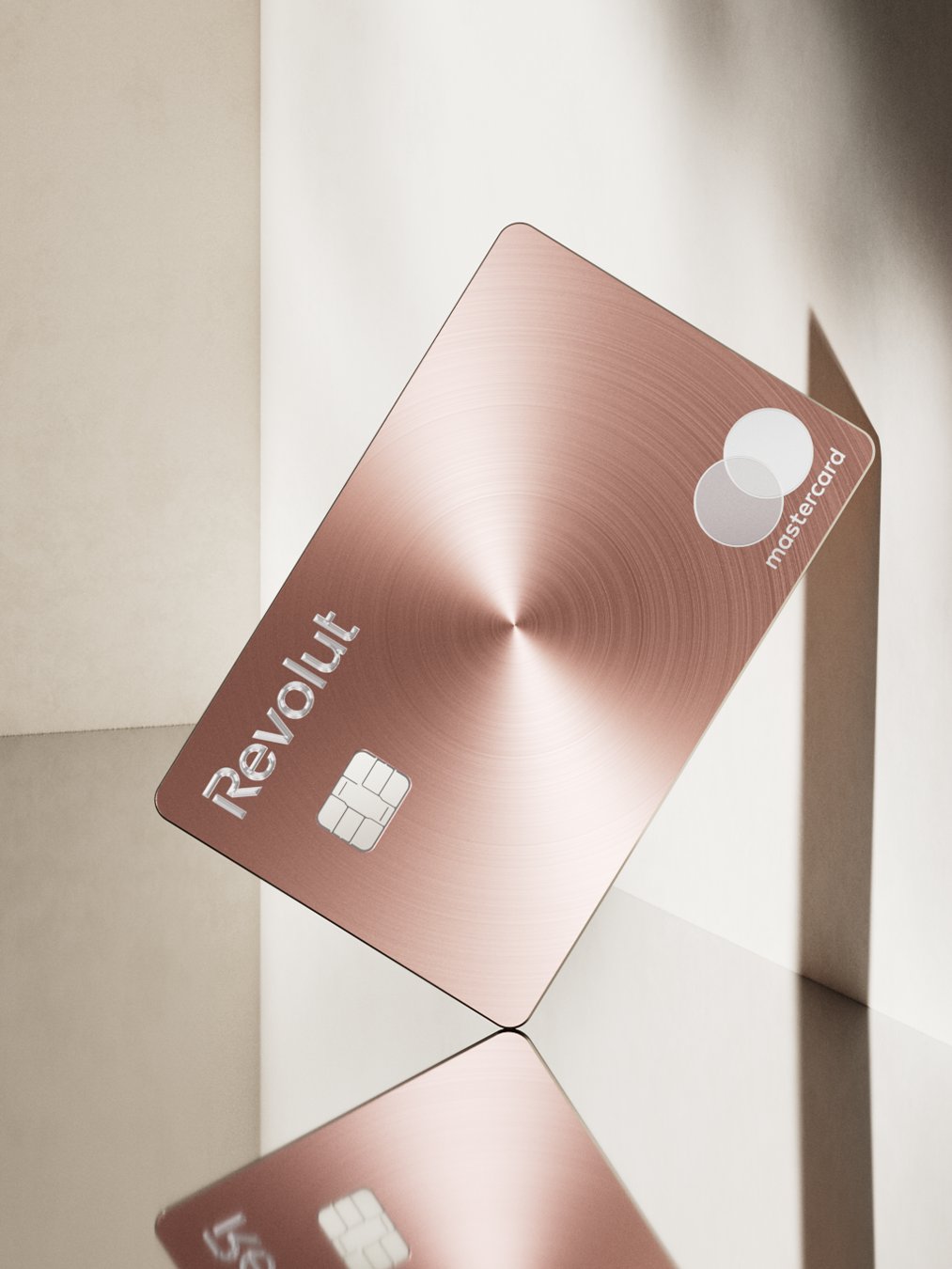
Revolut
Not a crypto-native card, but Revolut's crypto spending features have become best-in-class among neobanks. Users can hold and spend BTC, ETH, and a range of stablecoins directly from the Revolut app, with seamless fiat conversion at the point of sale.
The user experience is unmatched for normies and crypto veterans alike — the app just works. Cashback varies by plan tier (up to 1% on the free plan, higher on Metal). The catch: custody is fully centralized, and Revolut controls the keys.
But with 40M+ users and a banking license in multiple jurisdictions, the brand power and reliability here are hard to argue with.
Bybit Card (Mastercard)
Cashback: Up to 10% on select categories, though standard spending sits closer to 1-2%. Stablecoin support: USDT is the primary funding asset. Custody: Custodial. Available primarily in the EEA (European Economic Area). Fee structures can be opaque — users report occasional FX markups on cross-border transactions.
Bybit's regulatory standing varies by jurisdiction, which adds uncertainty. Despite that, the aggressive rewards and large active user base land it in S-tier for EEA residents willing to accept custodial trade-offs.
A-Tier: Strong Contenders
Avici Money
Avici Money is carving out a niche with a focus on stablecoin-first spending and clean fee transparency. Supports USDC and USDT with competitive conversion rates. The UX is polished, and early adopters report smooth merchant acceptance. Still scaling geographically, but the fundamentals are solid.
KAST
KAST has built a loyal following with its multi-chain card supporting spending from Solana, Ethereum, and other ecosystems. Rewards are competitive, and the team has been transparent about fees. The community-driven approach and active development earn it a strong A-tier placement.
Cypher HQ
Cypher HQ's card offering integrates tightly with its wallet infrastructure, allowing users to spend across multiple chains with minimal friction. Stablecoin support is broad, and the self-custodial architecture appeals to DeFi-native users. Still early, but the product quality is impressive.
Ledger (Crypto Life Card)
Ledger's entry into the card space leverages its massive hardware wallet user base. The CL Card lets users spend crypto directly from their Ledger ecosystem with cashback in BTC. The brand trust from Ledger's security reputation is a major advantage. Custody is handled through a hybrid model. Availability is currently EU-focused, and the fee structure is competitive but not best-in-class.
Krak
Krak rounds out the A-tier with a solid product focused on simplicity and low fees. Supports major stablecoins, offers reasonable cashback, and has been expanding its supported regions steadily. A reliable option without the bells and whistles.
B-Tier: Decent but With Trade-offs
Crypto.com Visa Card
Cashback: Up to 8% CRO rewards on the top-tier Obsidian card, scaling down to 1% on the free Midnight Blue tier. Stablecoin support: USDC, USDT, and several others.
Custody: Custodial — funds are held by Crypto.com. Higher reward tiers require staking $400 to $400,000 worth of CRO tokens for 180 days, locking significant capital. The CRO token's price volatility means your staked collateral can lose value even while you earn rewards.
Free-tier users get a functional card but minimal perks. The broadest geographic reach of any crypto card, but the staking requirements and token risk drag it down from where it once ranked.
1inch Card
1inch's card leverages the DEX aggregator's brand and multi-chain infrastructure. Supports spending from various ERC-20 tokens with on-the-fly conversion. The DeFi integration is a natural fit, though the card product itself is still maturing compared to more established issuers.
Other B-Tier Options
Bitget Wallet, Trustee Global, and KoloHub all offer functional crypto card products with varying degrees of stablecoin support and regional availability. Each has a growing user base but lacks the polish or feature depth of higher-tier options. Worth evaluating if they serve your specific region or chain ecosystem.
C-Tier: Usable but Underwhelming
Gemini Credit Card (Mastercard)
Cashback: Up to 3% back in Bitcoin on dining and groceries, 2% back in BTC on fitness, and 1% on all other purchases — all rewards are automatically deposited into your Gemini account in real time.
Stablecoin support: Gemini supports GUSD (Gemini Dollar), USDC, and other major stablecoins within its exchange ecosystem. Custody: Custodial via Gemini. Gemini's regulated status as a New York trust company adds institutional credibility. The Bitcoin rewards program stacks sats passively through everyday spending.
However, it's technically a credit card rather than a debit card, operating on a traditional credit line model. Reward rates are capped by category, and availability is U.S.-only. For passive BTC accumulation the math works, but the limited reach and lack of innovation compared to newer entrants push it to C-tier.
Other C-Tier Options
RedotPay, WhiteBit, Nexo, and Bitpanda all offer crypto card products that function adequately but don't stand out on fees, rewards, or user experience. Nexo's card has the advantage of spending against your crypto collateral without selling, but the custodial model and limited stablecoin options hold it back. Bitpanda benefits from strong EU regulatory compliance but offers middling rewards.
D-Tier: Proceed With Caution
Cards from Nebeus, Onboard Global, and Trade Republic sit at the bottom of the rankings. These products either suffer from limited availability, poor user feedback, opaque fee structures, or a combination of all three. Trade Republic is a legitimate fintech player but its crypto card features are an afterthought compared to its core brokerage product.
Rule of thumb: if a card issuer isn't transparent about its full fee schedule upfront, that's a red flag.
The Worst Experiences (and Why)
Coinbase Card (Visa)
On paper, the Coinbase Card looks competitive: up to 4% back in crypto (paid in select tokens like BTC or ETH) and zero conversion fees when spending USDC. But the real-world experience tells a different story.
Customer service is notoriously difficult to reach — users report being stuck in automated loops with no access to a human agent when issues arise. There are widespread complaints about Coinbase closing card accounts without explanation, leaving users locked out of their funds with no clear recourse.
Reliability at checkout is also inconsistent. Multiple users have reported declined transactions at merchants where other crypto cards work fine, creating an impractical spending experience.
Add in the 2.49% liquidation fee on non-stablecoin spending (which also triggers a taxable event) and U.S.-only availability, and the numbers simply don't justify the headaches. A card you can't rely on at the register — and a company that might close your account tomorrow — isn't a card worth carrying.
Other Low-Rated Cards
Wirex has faced complaints about frozen accounts and slow customer support during disputes. Binance Card was effectively discontinued in the EEA and several other regions following regulatory pressure, leaving users scrambling for alternatives.
Cards from lesser-known issuers often carry hidden fees — monthly maintenance charges of $5-$15, ATM withdrawal fees of $2-$3 per transaction, and FX conversion markups of 1-3% that quietly erode any cashback benefits.
How It Works
Choose a card based on your region, preferred custody model (custodial vs. non-custodial), and stablecoin of choice.
Complete KYC — every card issuer requires identity verification, even non-custodial options like Gnosis Pay and MetaMask Card.
Fund your wallet with supported stablecoins (USDC and USDT are the most widely accepted) or, in the case of credit card models like Gemini, simply use the credit line and earn rewards automatically.
Activate and spend — use the card at any Visa or Mastercard merchant. Conversion to local fiat happens automatically at the point of sale.
Track taxable events — in most jurisdictions, spending crypto (even stablecoins) may trigger tax reporting obligations.
The Risks
Custodial risk — With custodial cards (Crypto.com, Gemini, Bybit, Revolut), the issuer holds your funds. Exchange insolvencies or account freezes could lock you out.
Smart contract risk — Non-custodial cards like Gnosis Pay, Ether.fi, and MetaMask Card rely on on-chain smart contracts. Bugs or exploits could compromise funds.
Regulatory risk — The EU's MiCA framework is adding clarity, but U.S. stablecoin regulation remains unsettled. Card programs can be suspended or altered with little notice, as Binance Card users learned.
Stablecoin depeg risk — While rare, stablecoins can temporarily lose their peg. Spending during a depeg event could result in unfavorable conversion rates.
Tax complexity — Crypto-to-fiat conversions at point of sale may be taxable events depending on your jurisdiction, adding bookkeeping overhead.
Token staking risk — Cards requiring token stakes (like Crypto.com's CRO tiers) expose you to price volatility on your locked collateral.
What to Watch
All cards listed above are currently live, though availability varies by region. Gnosis Pay is expanding its European footprint throughout 2025. Ether.fi's card is scaling rapidly alongside its restaking protocol growth.
Crypto.com offers the broadest geographic reach. Watch for traditional banks entering the space later this year — several have signaled stablecoin card pilots following MiCA's implementation.
MetaMask Card (Mastercard) — One to Watch
MetaMask partnered with Mastercard and payment infrastructure provider Baanx to launch a non-custodial card that lets users spend USDC, USDT, and other ERC-20 tokens directly from their MetaMask wallet at any Mastercard merchant, with automatic crypto-to-fiat conversion at the point of sale.
Funds stay in your wallet until the transaction is initiated, similar to the Gnosis Pay model. No cashback program has been announced — the core value proposition centers on seamless self-custodial spending.
Post from @MetaMaskView the original post on X↗
The card launched in limited availability, initially rolling out to select users in the EU and UK. Given MetaMask's massive installed base of over 30 million monthly active users, this card has the potential to become the default self-custody spending tool if it scales properly.
Fee schedules, regional expansion timelines, and supported networks beyond Ethereum mainnet and Linea are still being finalized. For DeFi-native users already living inside the MetaMask ecosystem, this could become the most natural bridge between on-chain assets and real-world spending.
Bottom Line
S-Tier picks: Gnosis Pay for self-custody Europeans. Ether.fi for DeFi-native yield earners. Revolut for the best all-around UX. Bybit for EEA rewards maximizers. Ready.co for clean, no-nonsense stablecoin spending.
Best for U.S. users: Gemini Credit Card remains the most practical option stateside for passive BTC accumulation — the automatic Bitcoin-back rewards, $0 annual fee, and regulated trust company status still make the math work, even if the global competition has passed it by.
Keep watching: MetaMask Card. If it scales beyond its current limited rollout, the 30M+ wallet user base makes it a potential category killer for self-custodial spending.
Most people only need one or two cards. Pick the one that matches your region, your custody preference, and your stablecoin stack — and move on. The best card is the one you'll actually use.
This is not financial advice. Always do your own research.
Reporting by Blockster Newsdesk