
Sending crypto could soon feel as simple as sending a text message.
—
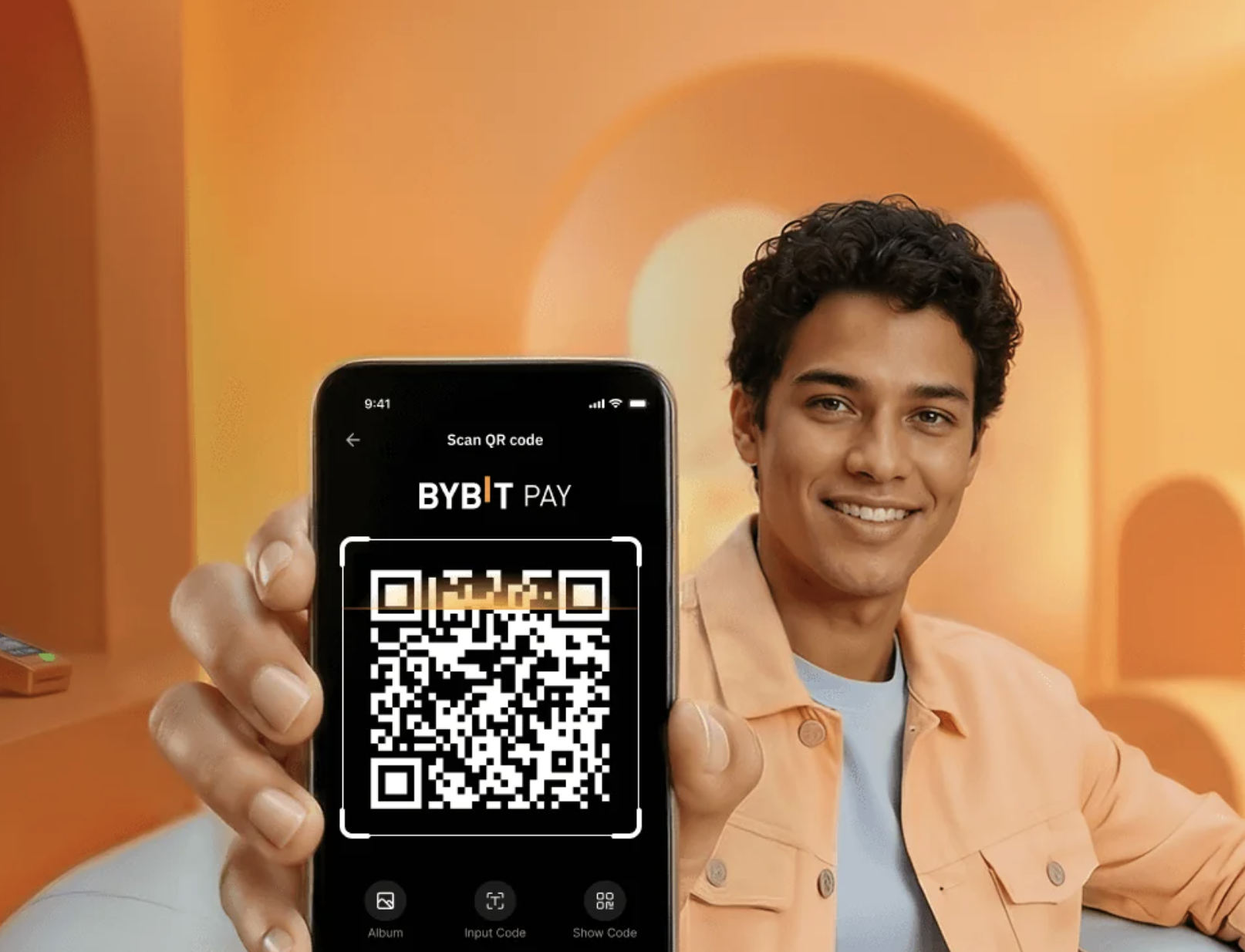
Bybit has integrated Bybit Pay with the Mastercard Crypto Credential network, allowing users to send and receive digital assets using simple aliases like an email address or phone number instead of long wallet addresses.
The goal is to make crypto payments easier, safer, and less error-prone for everyday users.
Making Crypto Transfers Easier
Traditional crypto transfers require users to copy and paste long wallet addresses — a process that can lead to mistakes, lost funds, or transactions sent to unsupported networks.
Mastercard Crypto Credential aims to solve that problem by introducing verified aliases that act as easy-to-remember identifiers for crypto wallets.
Before a transaction is completed, the system checks several conditions:
The recipient is enrolled in the Mastercard Crypto Credential network
The recipient’s wallet supports the selected cryptocurrency
The blockchain network is compatible with the transfer
If any of these conditions are not met, the transaction will not proceed.
This pre-transaction verification helps prevent common crypto mistakes, such as sending funds to the wrong address or unsupported blockchain.
Sending Crypto With a Username
With the integration, Bybit Pay users can create a Mastercard Crypto Credential alias tied to their email address or phone number.
Once activated, users can send crypto simply by entering the recipient’s alias.
Sophie Chen, Head of Marketing for Bybit Card and Bybit Pay, said the goal is to remove the technical friction that still makes crypto difficult for many people.
“Crypto should be as easy to use as any other form of payment,” Chen said. “Now sending crypto can be as simple as texting a friend — just use their email or phone number, with security built in.”
Expanding the Mastercard Crypto Network
The collaboration connects Bybit Pay to Mastercard’s broader digital asset infrastructure.
Mastercard Crypto Credential is designed to create consistent verification standards across exchanges, wallets, and blockchain networks, making it easier for platforms to interact with one another.
Raj Dhamodharan, Executive Vice President of Blockchain and Digital Assets at Mastercard, said the initiative is focused on building the foundation for large-scale digital asset adoption.
“Mastercard is building the connective tissue that makes digital assets usable and trusted at scale,” Dhamodharan said.
By integrating Bybit — one of the world’s largest crypto exchanges — the network expands its reach to millions of users globally.
Part of a Larger Crypto Strategy
The announcement also comes shortly after Bybit joined Mastercard’s new Crypto Partner Program, a global initiative bringing together more than 85 crypto companies, payment providers, and financial institutions to collaborate on the future of blockchain payments.
Post from @BlocksterComView the original post on X↗
Through Bybit Pay, the exchange aims to build a broader ecosystem where users can move seamlessly between fiat payments, crypto transfers, and digital asset services.
The addition of Mastercard Crypto Credential represents another step toward making crypto transactions feel closer to traditional payments — while still maintaining the benefits of blockchain infrastructure.
Reporting by Lidia Yadlos