

The stablecoin industry is being pulled in two directions this week.
—
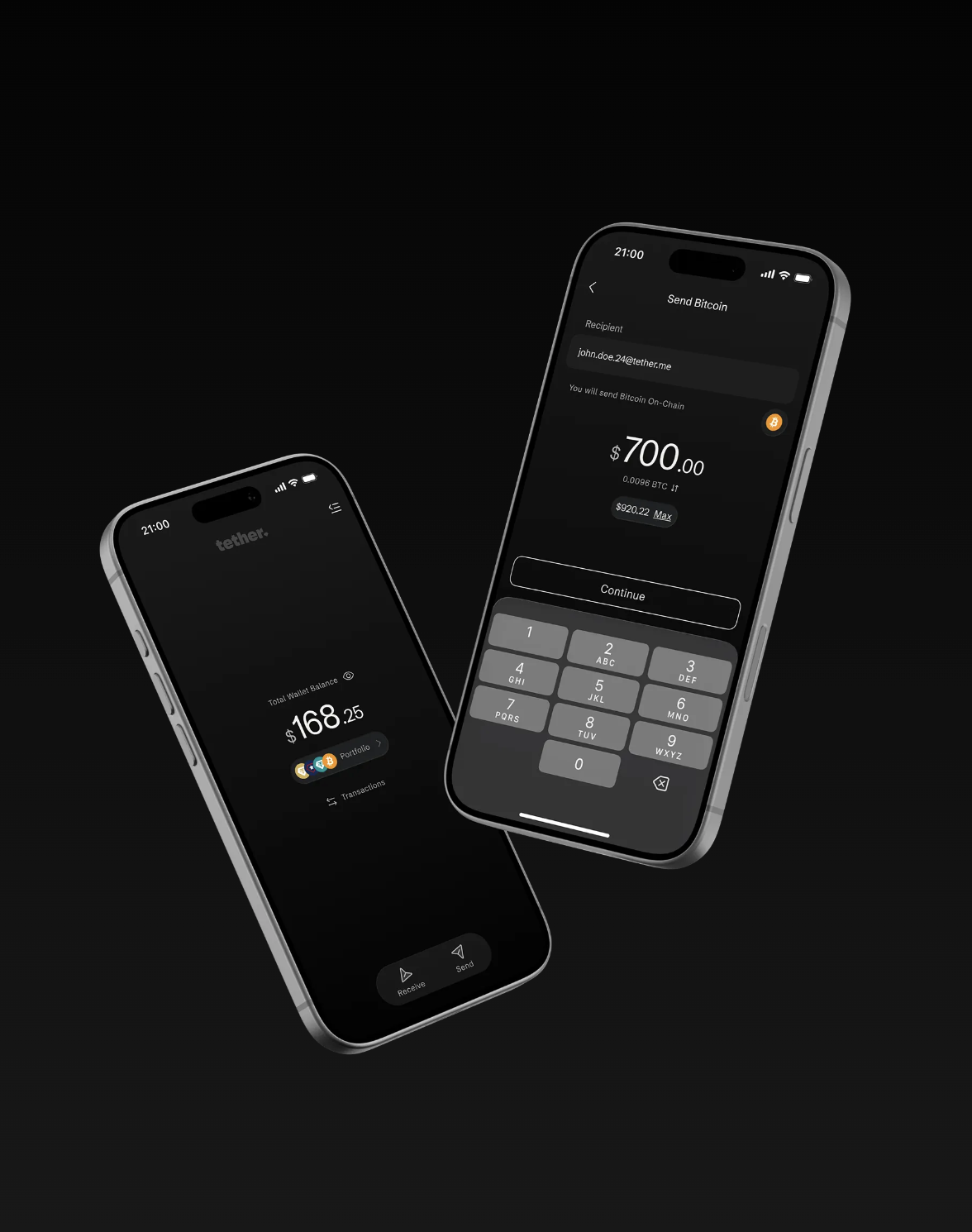
On one side, Tether — the issuer of the world's largest stablecoin by market cap — launched a new crypto wallet designed to let users send digital dollars, tokenized gold, and Bitcoin directly across multiple blockchains without intermediaries or gas tokens.
Post from @paoloardoinoView the original post on X↗
On the other, JPMorgan CFO Jeremy Barnum used the bank's Tuesday earnings call to warn that stablecoins risk becoming tools for regulatory arbitrage unless they face the same strict oversight and consumer protection standards applied to traditional bank deposits.
The timing is striking. As one of the largest players in the stablecoin market builds infrastructure to make dollar-pegged tokens easier to use in everyday payments, the largest U.S. bank by assets is making its case that such products should not operate outside the regulatory perimeter that governs traditional finance.
Together, these developments illustrate the core tension shaping the next phase of stablecoin policy worldwide.
What Tether's New Wallet Does
Tether's newly launched wallet is designed to remove several friction points that have historically limited stablecoin adoption among mainstream users.
According to the company, the wallet allows users to send USDT, tokenized gold (XAUT), and Bitcoin across multiple blockchains — all without requiring users to hold separate gas tokens to pay transaction fees. The elimination of gas fees is notable; for many non-crypto-native users, the requirement to acquire chain-specific tokens like ETH or SOL just to move stablecoins has been a significant barrier to entry.
The wallet operates without intermediaries, positioning it as a self-custodial tool that gives users direct control over their assets.
This aligns with Tether's broader strategy of expanding beyond issuance into infrastructure. The company has been steadily building out its product suite, including its investment in Bitcoin mining operations and its exploration of AI-related ventures.
A dedicated wallet represents a more direct consumer-facing play — one that puts Tether in competition not just with other stablecoin issuers, but with fintech payment apps and onchain wallet providers.
The multi-chain functionality is also significant. Rather than locking users into a single blockchain ecosystem, the wallet supports transfers across different networks, reflecting the reality that USDT circulates on numerous chains including Ethereum, Tron, Solana, and others.
For Tether, consolidating that fragmented user experience into a single interface could strengthen its already dominant position in the stablecoin market.
Post from @tetherwalletView the original post on X↗
JPMorgan's Regulatory Arbitrage Warning
During JPMorgan's earnings call on Tuesday, CFO Jeremy Barnum laid out the bank's concerns about the competitive landscape that stablecoins are creating.
His central argument: if stablecoins are allowed to function as de facto bank deposits — holding customer funds, facilitating payments, and serving as a store of value — but without the regulatory requirements that banks must meet, they represent a form of regulatory arbitrage.
Barnum warned that stablecoins could become a tool for regulatory arbitrage unless they are held to the same strict oversight and consumer protection standards as traditional bank deposits.
The concern is not new, but the source gives it weight. JPMorgan is the largest bank in the United States, and its executives' public statements on crypto regulation tend to influence policy discussions in Washington.
Barnum's remarks come as Congress continues to debate competing stablecoin bills that would establish federal frameworks for issuers — a process that has been marked by disagreements over how much oversight is appropriate and whether non-bank entities should be permitted to issue stablecoins at all.
From JPMorgan's perspective, the issue is straightforward: banks operate under capital requirements, deposit insurance obligations, anti-money laundering rules, and regular examinations by federal regulators.
Stablecoin issuers, by contrast, currently operate under a patchwork of state-level money transmitter licenses and, in some jurisdictions, lighter-touch regulatory frameworks. If stablecoins attract deposits away from the traditional banking system without carrying the same regulatory costs, banks argue they face an uneven playing field.
The Broader Regulatory Context
Barnum's comments land in the middle of an active legislative push. Multiple stablecoin bills have been introduced in Congress over the past year, with key debates centering on whether issuers should be required to hold 1:1 reserves in cash or short-term U.S.
Treasuries, whether they should submit to bank-like examinations, and whether the Federal Reserve or state regulators should have primary oversight authority.
The banking industry has lobbied heavily to ensure that any stablecoin framework includes provisions that prevent non-bank issuers from operating with lighter regulatory burdens.
At the same time, crypto-native firms and some lawmakers have pushed back, arguing that overly restrictive rules would stifle innovation and push stablecoin activity offshore — the opposite of what regulators want.
Internationally, the picture is similarly complex. The European Union's Markets in Crypto-Assets (MiCA) regulation has already imposed reserve and licensing requirements on stablecoin issuers operating in the EU.
Tether notably chose not to seek MiCA compliance for USDT in Europe, effectively ceding that market to competitors like Circle's USDC. In Asia and the Middle East, jurisdictions are developing their own frameworks, creating a fragmented global regulatory landscape.
Post from @Pears_p2pView the original post on X↗
What to Watch
For now, the stablecoin sector sits at an inflection point where the infrastructure is advancing faster than the regulatory framework designed to govern it. How that gap closes — through legislation, enforcement, or market dynamics — will shape the future of digital payments for years to come.
Reporting by Blockster Newsdesk


