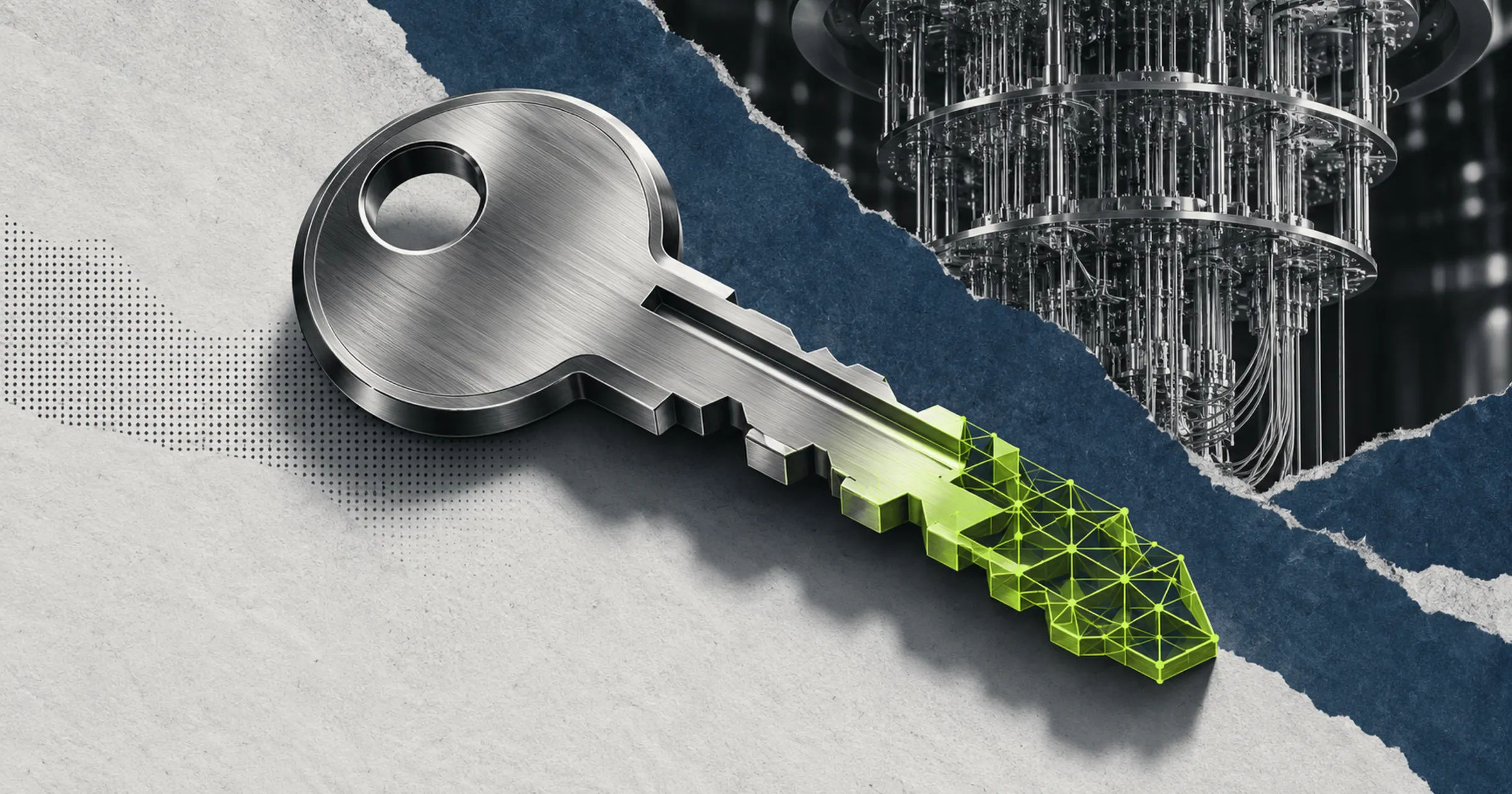

Tether has launched the Mining Development Kit (MDK), a new open-source framework designed to give Bitcoin mining operators unified control over their entire infrastructure stack.
—
The release positions Tether not just as a capital allocator in mining, but as a builder of core infrastructure — targeting one of the most persistent inefficiencies in the sector: fragmented, vendor-locked systems.
What MDK Actually Changes
At its core, MDK introduces a full-stack, modular framework that replaces the patchwork of proprietary mining tools with a single, interoperable system.
Today’s mining operations often rely on siloed firmware, dashboards, and control systems tied to specific hardware providers. This creates operational friction, limits scalability, and makes switching vendors costly.
MDK addresses this by combining:
A JavaScript backend SDK for infrastructure control
A React-based UI component library for building dashboards and apps
A capability-based architecture, where devices expose standardized functions
A central orchestration layer coordinating independent modules (“workers”)
Instead of tightly coupled systems, MDK introduces a plug-and-play model where new hardware, services, or integrations can be added without modifying the core stack.
That shift is subtle — but important. It moves mining infrastructure closer to how modern cloud systems operate: modular, programmable, and extensible.
Post from @tetherView the original post on X↗
From Monitoring to Autonomous Mining
One of the more forward-looking elements of MDK is its focus on automation.
The framework aggregates data from across connected devices into a unified control layer, creating a foundation for:
Automated workflows
Real-time optimization
AI-driven mining strategies
This aligns with a broader trend: mining operations are becoming less about manual oversight and more about algorithmic efficiency — especially at scale.
As Paolo Ardoino put it, “The next generation of mining will be centered around automation and optimization, and MDK will serve as the backbone driving this shift towards autonomous agents and workflows.”
Tether is clearly positioning MDK as the backbone for that transition, where software — not just hardware — becomes the primary competitive edge.
Designed for Scale — From Home Miners to Industrial Sites
MDK is hardware-agnostic and runs across Windows, macOS, and Linux, making it accessible across a wide range of setups.
For smaller operators, this means:
Easier multi-device monitoring
More control across distributed setups
Lower reliance on proprietary tools
For large-scale mining facilities, it enables:
Coordinated hardware management
Fault tolerance across sites
Unified analytics pipelines
Scalable orchestration of thousands of machines
The same architecture scales without requiring a full system rebuild — a key limitation in current mining infrastructure.
Extending Tether’s Mining Stack
The MDK launch builds directly on Tether’s earlier open-sourcing of its Mining OS (MOS), a production-grade operating system designed to coordinate hardware, energy usage, and operational data.
Together, the stack now looks more complete:
MOS → execution layer (operating system)
MDK → development + orchestration layer
This effectively gives Tether a vertically integrated, open-source alternative to the proprietary systems currently dominating mining operations.
A Shift Toward Open Mining Infrastructure
Bitcoin mining has historically trended toward consolidation, driven in part by hardware dominance and software lock-in.
By open-sourcing core infrastructure, MDK introduces a potential counterweight — lowering switching costs and enabling more flexible system design.
But the impact will ultimately depend on adoption.
If hardware manufacturers and major operators integrate with the framework, MDK could push the industry toward more standardized, interoperable infrastructure.
If not, it risks becoming another tool in an already crowded ecosystem.
Reporting by Blockster Newsdesk