

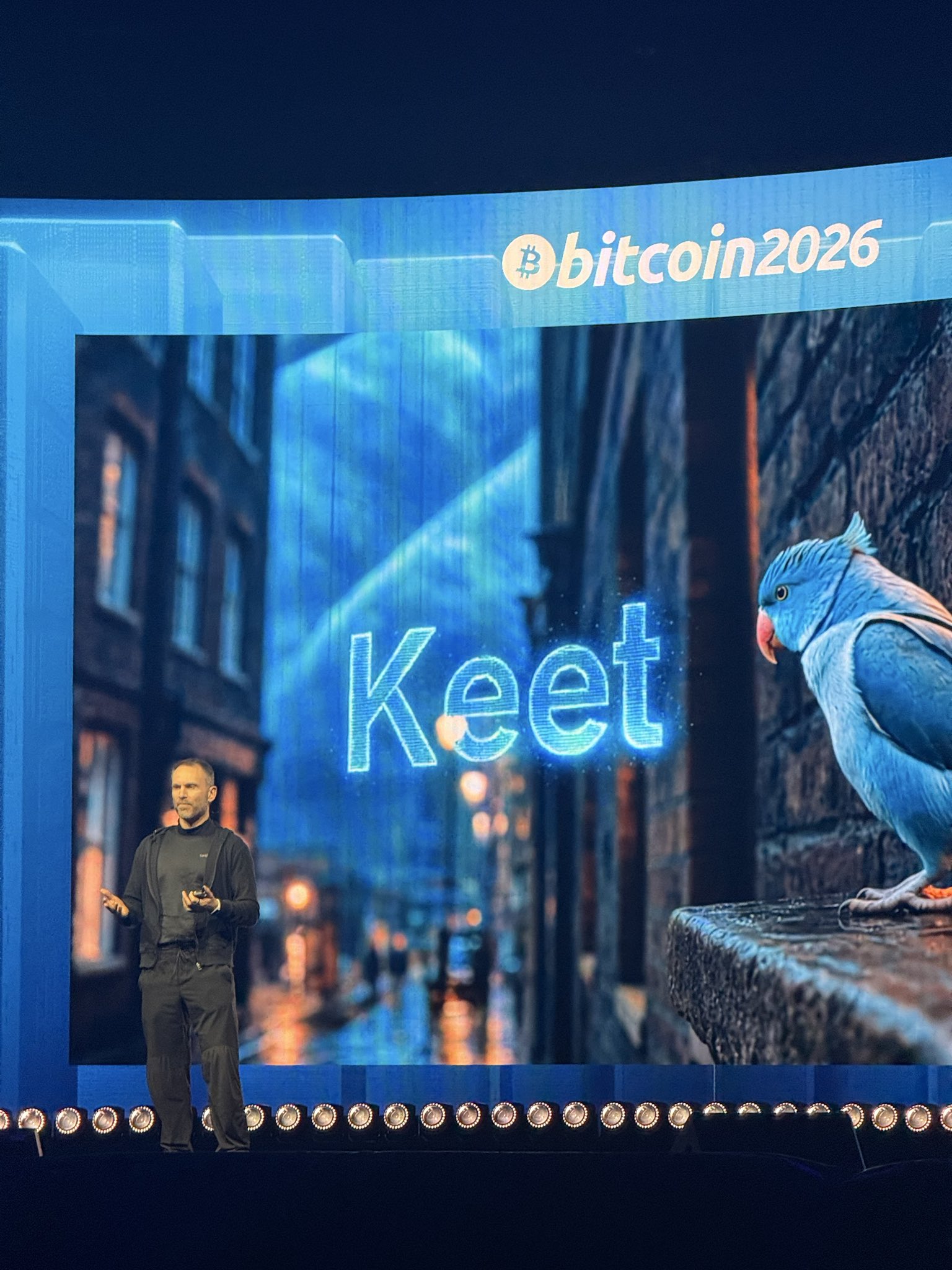
Tether CEO Paolo Ardoino has publicly reaffirmed the company's commitment to making Keet, its peer-to-peer encrypted communications app, fully open-source. The announcement, shared via Ardoino's X account, underscores Tether's broader push into decentralized infrastructure beyond stablecoins.
Keet is a chat application built on Holepunch, Tether's peer-to-peer technology platform. Unlike conventional messaging apps such as WhatsApp, Telegram, or Signal, Keet operates without centralized servers.
Messages travel directly between users — no middlemen, no metadata collection, and no surveillance. The app supports text, voice, and video calls, all encrypted end-to-end by default.
Post from @paoloardoinoView the original post on X↗
What Makes Keet Different
Most encrypted messaging apps still rely on centralized infrastructure to route messages, store user data, or manage encryption keys. Even Signal, widely regarded as the gold standard of encrypted messaging, depends on centralized servers to facilitate communication. Keet eliminates this dependency entirely.
The app is built on the Pear Runtime and Hypercore Protocol, which enable fully distributed, serverless communication. Users connect directly to each other through a distributed hash table (DHT), meaning there is no central point of failure — and no central point of data collection.
Key features of Keet include:
No centralized servers — messages are routed peer-to-peer
No metadata collection — the platform cannot track who talks to whom, when, or how often
End-to-end encryption by default on all communications
Text, voice, and video support
No phone number or email required to sign up
Why Open Source Matters
Ardoino's commitment to making Keet fully open-source is significant for several reasons. Open-sourcing the codebase allows independent security researchers, developers, and privacy advocates to audit the application, verify its encryption claims, and contribute improvements.
Post from @keet_ioView the original post on X↗
For a product that markets itself on the promise of zero surveillance, transparency in the code is essential to building trust.
Tether has faced scrutiny over the years regarding transparency — primarily around its stablecoin reserves. By open-sourcing Keet, the company is taking a different approach with its technology division, signaling that verifiability is a core principle for its infrastructure products.
Tether first invested in the Holepunch framework and Keet back in 2022, positioning the project as a long-term bet on decentralized communications. The company has since continued to develop the platform, with Keet available for download on desktop and mobile.
Tether's Expanding Technology Ambitions
Keet is part of a broader strategic shift for Tether. While the company is best known for USDT, the world's largest stablecoin by market capitalization, it has been aggressively expanding into adjacent technology sectors.
Tether's divisions now span AI, peer-to-peer infrastructure, education, and energy — all under the umbrella of what the company calls its "four pillars" strategy.
Post from @paoloardoinoView the original post on X↗
Ardoino outlined plans for Tether to invest over $1 billion across its technology initiatives. Keet and the underlying Holepunch infrastructure are central to the peer-to-peer pillar of that investment thesis.
"No middlemen. No metadata. No surveillance. Just direct, encrypted chats with people you trust." — Keet
The Bigger Picture
The push toward open-source, decentralized communication tools reflects a growing demand across the crypto and privacy communities.
With increasing government scrutiny of encrypted messaging platforms globally — from the EU's proposed chat control legislation to ongoing debates in the U.S. around Section 702 surveillance — tools like Keet represent a technical response to regulatory pressure on digital privacy.
By removing centralized infrastructure from the equation, Keet makes it architecturally impossible to comply with data collection mandates — because there is no data to collect. Whether that positions the app as a mainstream alternative to existing messengers or a niche tool for privacy-focused users remains to be seen.
For now, Tether's open-source commitment for Keet adds another layer of credibility to the project. Developers and users can follow the progress on the Keet website and through Ardoino's updates on X.
Reporting by Blockster Newsdesk