
Tether and the City of Lugano have announced the launch of Plan ₿ Phase II (2026–2030), expanding their multi-year initiative aimed at integrating digital assets and decentralized technologies into the city’s public and economic infrastructure.
—
The second phase builds on the original Plan ₿ program introduced in 2022, shifting the focus from early adoption and pilot programs toward long-term infrastructure development, resilience, and digital sovereignty.
Post from @tetherView the original post on X↗
Four Years of Digital Asset Integration
Since the initiative began, Lugano has positioned itself as one of Europe’s more active municipalities experimenting with blockchain integration.
More than 400 local merchants now accept Bitcoin, Tether’s USDT stablecoin, and Lugano’s LVGA token.
Municipal authorities have also explored blockchain-based payment systems and digital bond issuance, testing decentralized tools within public finance operations. Tether has provided technical support and strategic infrastructure throughout the partnership.
A key component of the ecosystem is PoW.space, a blockchain and fintech innovation hub that has attracted more than 100 companies. The city’s Plan ₿ Forum has also grown into an international conference drawing over 4,000 participants from more than 60 countries.
Five Strategic Pillars for Phase II
Plan ₿ Phase II introduces five core pillars designed to expand Lugano’s digital framework:
1. Institutional Blockchain Infrastructure
The development of SwissLedger, an open blockchain network intended for banks and enterprises, aimed at bridging regulated financial institutions with decentralized systems.
2. Digital Trade and Commodities
Leveraging tokenization and programmable payments to modernize trade flows and position Lugano as a hub for digital commerce infrastructure.
3. Privacy-Preserving Digital Identity
Implementing zero-knowledge technologies to enable secure and voluntary identity verification for citizens, businesses, and autonomous agents.
4. Decentralized Artificial Intelligence
Supporting the integration of decentralized AI systems and autonomous economic agents into public services and programmable transactions.
5. Resilient Urban Infrastructure
Investing in distributed networks, decentralized computing, and enhanced cybersecurity systems to maintain operational continuity in essential services.
Funding and Governance
Tether has committed up to CHF 5 million (approximately $6.3 million) over the next five years, primarily through infrastructure development, research initiatives, and applied training programs. Governance and oversight will remain with the City of Lugano.
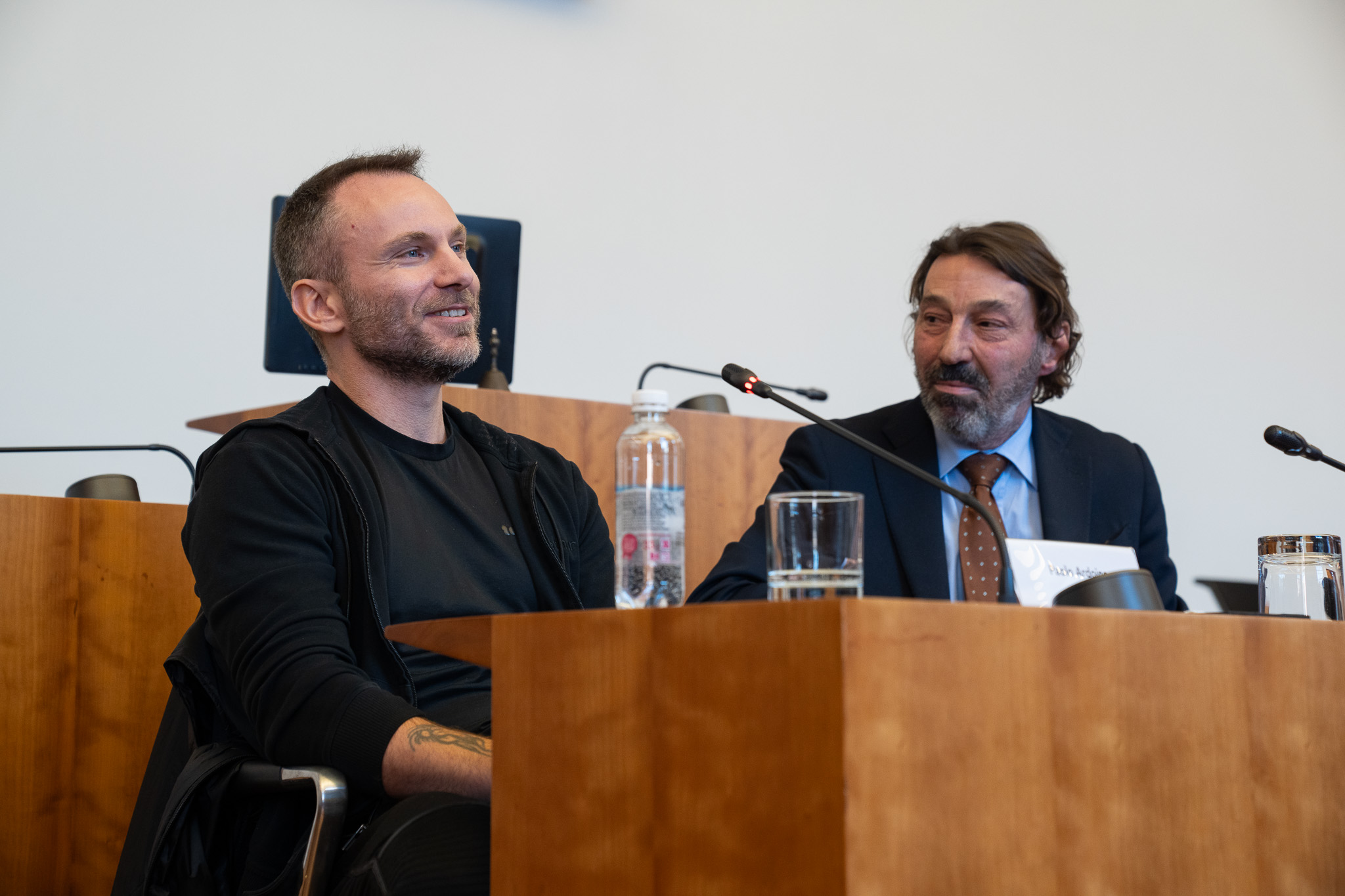
Paolo Ardoino, CEO of Tether, said the second phase emphasizes infrastructure development and local capacity building while maintaining public governance.
Mayor Michele Foletti stated that by 2030, cities will increasingly depend on their ability to manage data and essential services independently, adding that Phase II aims to strengthen open and resilient civic digital infrastructure.
Post from @LuganoPlanBView the original post on X↗
A Broader European Context
The expansion comes as European regulatory frameworks for digital assets continue to mature and as municipalities evaluate blockchain’s potential role in public finance, trade systems, and digital identity.
While many cities have explored crypto adoption through payment acceptance, Lugano’s Phase II strategy moves further into structural integration — focusing on institutional-grade systems, long-term resilience, and governance-driven deployment.
Plan ₿ Phase II is scheduled to run through 2030.
Reporting by Lidia Yadlos