
Solana is evolving, not just as a protocol, but as something you can hold, wear, tap, and live with. It’s moving beyond on-chain assets and into a growing ecosystem of real-world hardware.
From smartphones and health rings to hotspot nodes and self-custodial debit cards, this isn’t just a product expansion. It’s a strategic attempt to turn Solana into the first blockchain with a full physical stack.
Post from @sol_nxxnView the original post on X↗
This shift has major implications for how users experience Web3. While other chains focus on L2 throughput or modular architectures, Solana is answering a different question: what if blockchain lived in your pocket, on your wrist, or at your front door?
The Seeker Phone: A Mobile Onboarding Tool for Web3
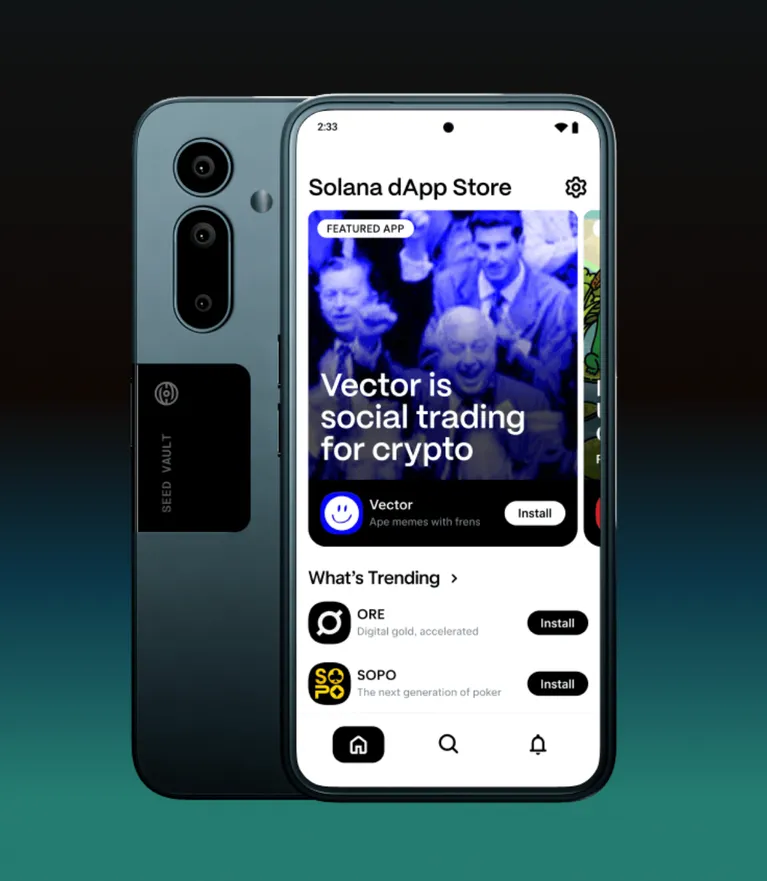
Solana Mobile’s new device, the Seeker, is a follow-up to the original Saga phone and offers a refined, lighter, and more affordable option. The Seeker ships globally and comes with a 6.36-inch AMOLED display, MediaTek Dimensity 7300 chip, and 8GB of RAM. More important than the specs is what lives inside the OS. Each phone includes Seed Vault, Solana’s integrated private key management tool that stores keys in a secure enclave, allowing users to sign transactions without exposing sensitive data.
Unlike most Android phones, this one doesn't treat crypto as an app layer. It embeds Web3 at the operating system level. Each device is also assigned a unique Genesis Token (a non-transferable NFT) that functions as a built-in identity pass and loyalty credential. Solana Mobile notes that it opens up access to perks, gated content, and potentially future airdrops.
By building a phone that doesn’t just run Web3 apps but is designed around them, Solana is creating a purpose-built onramp for a new class of user, one who expects their device to be as native to crypto as it is to social or payments.
Post from @CryptoWilfredView the original post on X↗
Helium and Mobile SIM Devices
Solana is also becoming a backbone for wireless access through Helium Mobile, which has rolled out SIM cards and hotspot nodes that operate on Solana. These devices allow users to earn tokens by contributing to wireless coverage. It’s a physical extension of the DePIN movement and turns everyday devices into passive income streams.
Beyond just earning tokens, these hotspot devices contribute to a broader decentralized mesh network where users provide real-world coverage in exchange for crypto rewards. This flips the telecom model on its head. Instead of relying on centralized infrastructure, Helium enables communities to own and operate their own wireless zones. Whether it's serving urban density or rural gaps, the model unlocks grassroots participation in one of the most expensive and centralized industries, connectivity itself.
Solana Gaming Device Unlocks New Possibilities
A gaming console designed specifically for the Solana ecosystem. The device is reported to include an octa‑core ARM processor, 8 GB RAM, 128 GB storage, WiFi 6 and Bluetooth 5.4 connectivity, and a built‑in hardware wallet functionality under its SvalGuard security system.
It is designed not just to play games but to house on‑chain assets, enabling players to manage tokens and NFTs directly from the console, essentially merging gaming and crypto custody in one device.This isn’t just another gaming device. It’s a signal that Solana is betting on entertainment as a gateway to mass crypto adoption, embedding digital ownership directly into the gaming experience without needing users to touch a browser or DEX.
Ledger Flex for Solana: Cold Storage with Ecosystem DNA
Security is core to any crypto experience, and Solana now has a custom hardware wallet to match. The Ledger Flex Solana Edition takes the widely trusted Flex device and adds Solana-specific branding, SPL token support, and a Soulbound Token for identity. It also integrates with Solana-native applications straight out of the box.
Ledger's team confirmed that the device is designed for long-term users who want secure offline access without sacrificing ecosystem compatibility. This is part of a broader strategy to extend the Solana identity into everyday tools, effectively turning cold storage into another point of community connection.
Post from @continentalgerView the original post on X↗
CUDIS Rings and DePIN Devices (Infrastructure You Wear and Deploy)
Beyond user-facing gadgets, Solana is moving into physical infrastructure. This includes health-focused wearables and decentralized hotspots. One standout project is the CUDIS Ring, a smart health ring that tracks activity, rewards movement, and links biometric data to on-chain incentives. Unlike mainstream fitness trackers that funnel your data to corporate servers, CUDIS lets users monetize their own metrics and retain control of their information. Its architecture runs directly on Solana and taps into the chain's token economy to reward engagement.
Solflare Card (Self-Custodial Spending Made Simple)
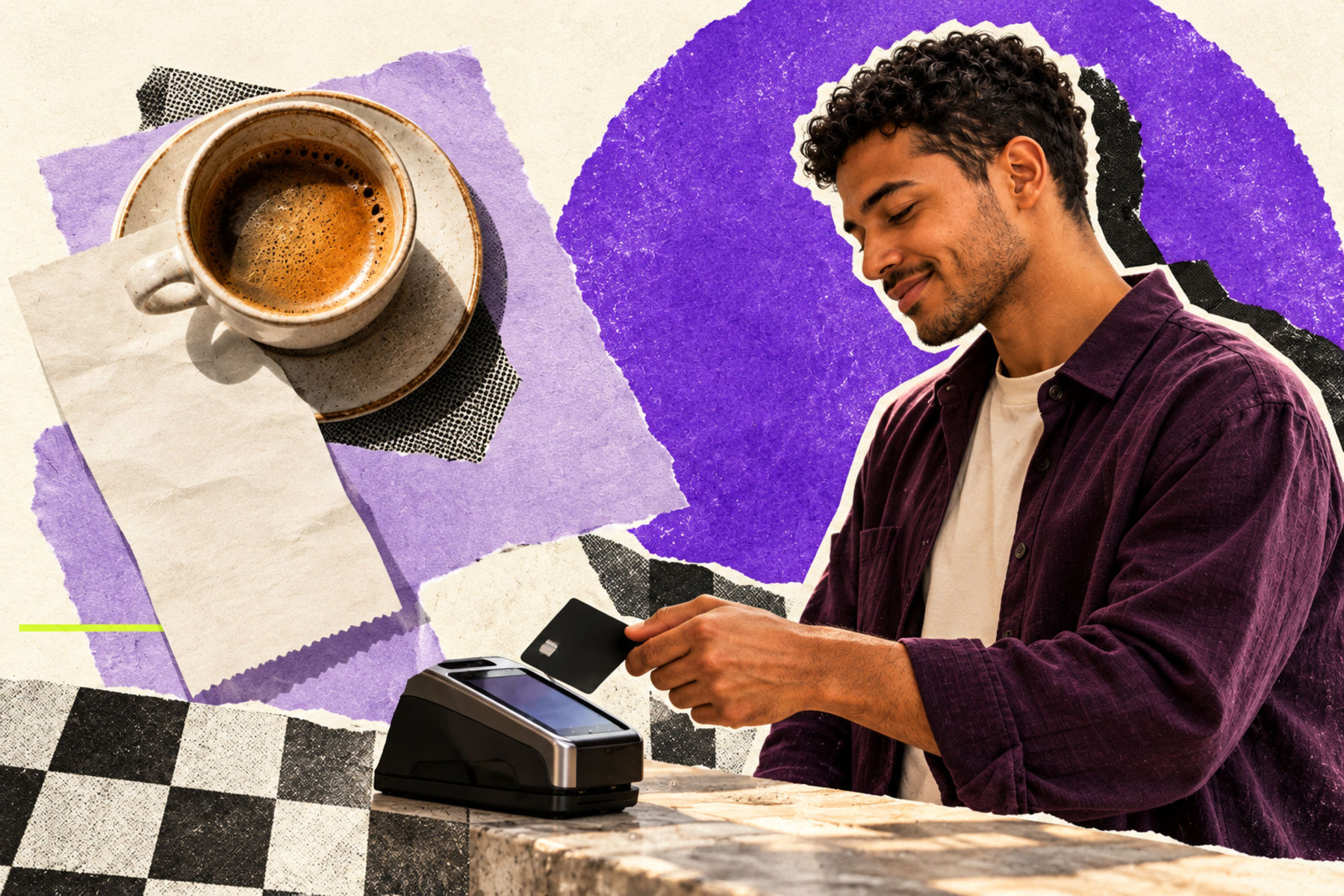
Solflare’s new debit card offers users a way to spend USDC directly from their wallet without relying on a custodial account. This marks a shift from the usual prepaid crypto cards, which typically require users to deposit assets into a managed account before they can use them for purchases.
With Solflare, your balance stays in your wallet until the moment you swipe, and you can do that globally, thanks to integration with Mastercard, Google Pay, and Apple Pay. The Solflare team calls it the first true self-custodial crypto card on Solana, and it delivers on that by eliminating the extra steps that traditionally separate crypto balances from real-world utility.
Post from @solflareView the original post on X↗
A Stack, Not Just a Chain
Each of these devices, the Seeker phone, the Ledger Flex, the CUDIS ring, the hotspot nodes, and the Solflare card, aren’t just solving a narrow use case. Together, they form a vertically integrated hardware stack tied directly into the Solana network. It’s no longer just about writing to the blockchain. Now, it’s about living on it.
This matters because it shifts the adoption curve. Instead of convincing users to download yet another extension or buy another governance token, Solana is giving them functional tools they can use immediately. And by connecting every device to the same on-chain identity and wallet infrastructure,
Solana is building retention by design. A user who’s onboarded through a Seeker phone, spending with a Solflare card, earning with a hotspot, and storing keys on a Ledger is deeply tied into the ecosystem which means they are far less likely to jump to another chain.
Other networks focus on scaling horizontally, spreading infrastructure across rollups and sidechains. Solana, in contrast, is going vertical, embedding its protocol into hardware, identity, payments, and infrastructure.
Final Thoughts
Hardware is not an easy game. Manufacturing takes capital. Distribution takes logistics. And user behavior can be hard to predict. But the upside here is clear. If Solana’s physical expansion catches on, it becomes the first blockchain with a truly embodied presence. It becomes something that goes beyond apps and tokens into the world of objects and daily life.
Post from @SPDropLabsView the original post on X↗
This isn't just about crypto becoming more convenient. It's about rethinking the relationship between users and the networks they rely on. If your phone is your wallet, your router is a node, and your ring is a sensor that earns rewards, then crypto stops being an abstract concept and becomes part of your routine.
Solana’s bet is that real adoption happens when blockchain stops asking users to come to it and instead shows up in the tools they already use.
Reporting by Lidia Yadlos