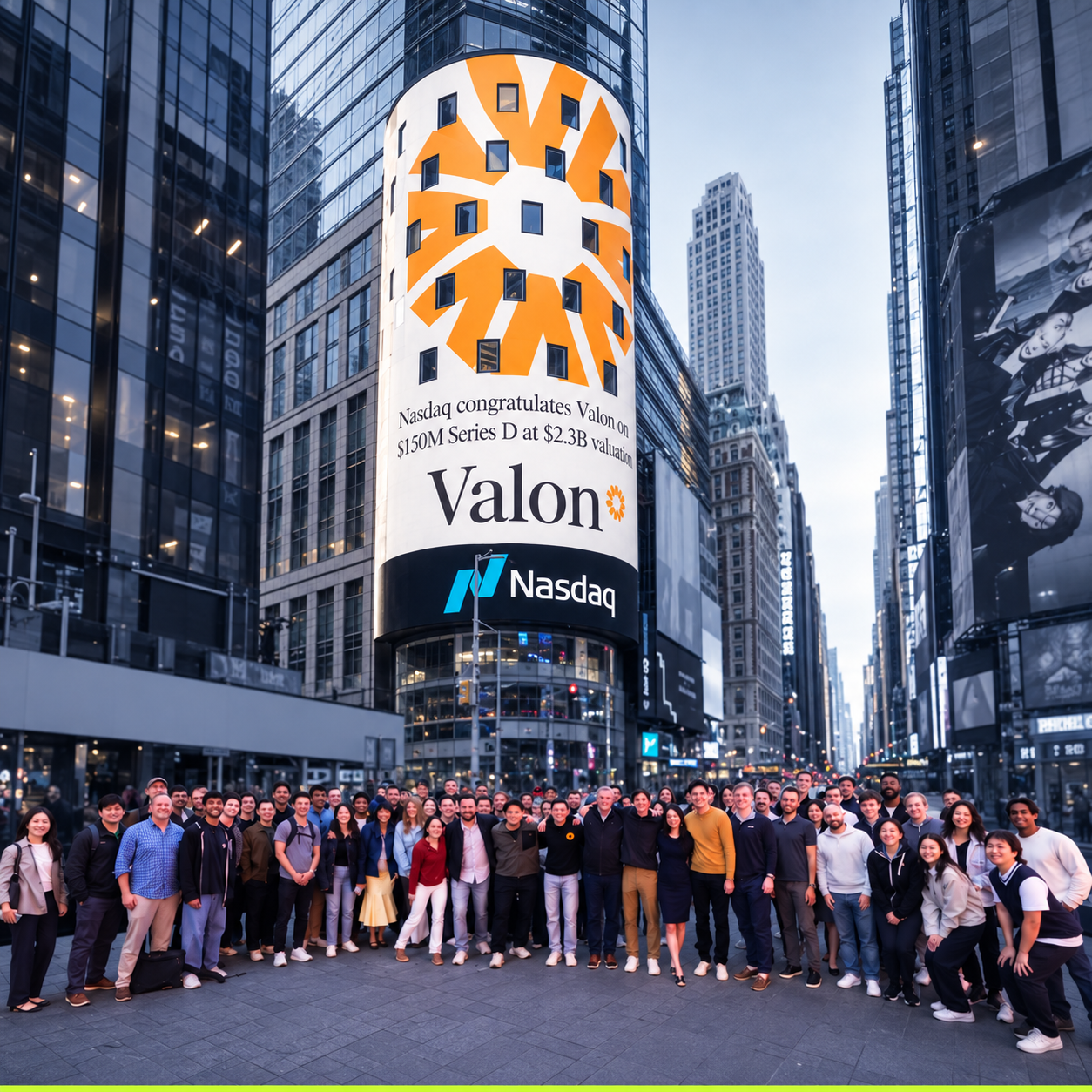

Prediction markets usually fight for attention online — through odds, charts, and viral bets. This week, that battle spilled onto the streets of New York City.
—
Rivals Polymarket and Kalshi both launched headline-grabbing “free grocery” stunts across Manhattan, turning basic food staples into the latest front in a rapidly escalating branding war.
The timing was no accident. The stunts echoed Mayor Zohran Mamdani’s recent comments around city-run grocery stores — and landed as prediction markets face growing scrutiny from lawmakers and regulators.
Kalshi Moves First
Kalshi struck first on February 3, announcing it would cover $50 worth of groceries for New Yorkers at a Westside Market in the East Village.
The company made its intentions clear on X:
Post from @KalshiView the original post on X↗
The response was immediate. Nearly 2,000 people RSVP’d, and lines reportedly stretched for blocks during the three-hour window from noon to 3 p.m.
Kalshi said the activation was meant to introduce the public to prediction markets while helping residents cope with rising grocery costs.
Polymarket Goes Bigger
Within a day, Polymarket countered with a much larger play.
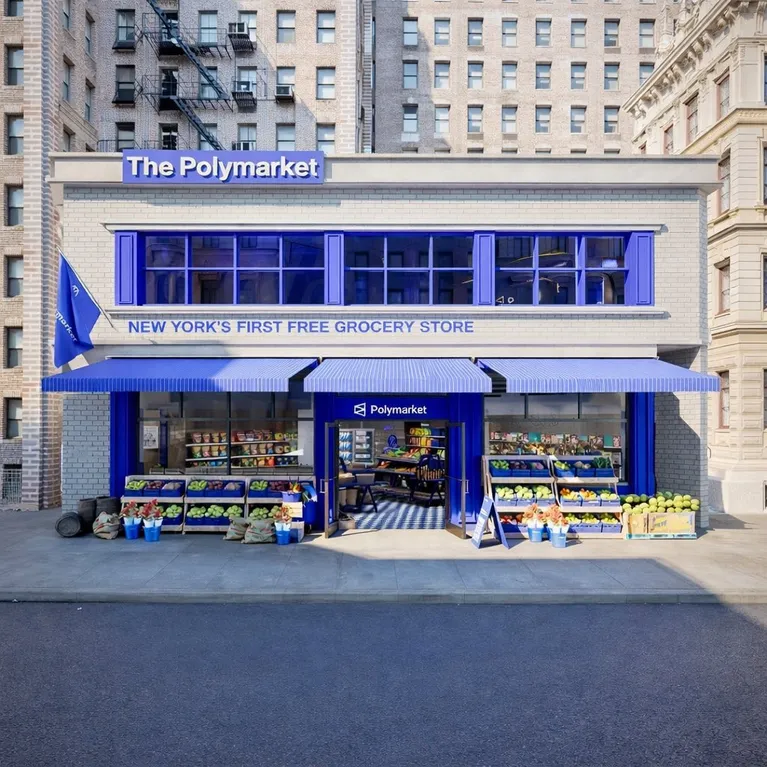
The platform announced plans to open what it called “New York’s first free grocery market” — a fully stocked pop-up store open for five days starting February 12.
Post from @PolymarketTradeView the original post on X↗
Unlike Kalshi’s short-term giveaway, Polymarket framed its activation as a long-planned operation involving permits, a leased retail space, and nonprofit coordination. The company also confirmed a $1 million donation to Food Bank for New York City, positioning the move as both brand building and community investment.
A Branding War in Plain Sight
The grocery giveaways come as both platforms rapidly expand their public profiles.
Polymarket and Kalshi have surged in popularity over the past year, fueled by viral political bets and high-profile media partnerships. Polymarket has worked with Dow Jones and the Golden Globes, while Kalshi has partnered with CNN and CNBC.
Their growth hasn’t gone unnoticed.
Post from @CryptoRank_ioView the original post on X↗
Lawmakers have raised concerns around insider trading and market manipulation, particularly after reports of large, well-timed political bets on Polymarket. Kalshi has publicly emphasized its rules against insider trading and support for regulation, while Polymarket has pushed back against claims it operates outside legal boundaries.
Regulation Looms as Markets Go Offline
The stunts also coincide with renewed regulatory pressure.
New York Attorney General Letitia James recently warned that unlicensed sports wagering could face civil and criminal penalties, and lawmakers in Albany are considering new legislation targeting prediction markets.
In that context, both companies appear intent on reshaping how they’re perceived — positioning themselves not simply as speculative platforms, but as civic-facing market infrastructure tied to real-world activity.
That shift now goes beyond groceries. Polymarket is also expanding into real estate prediction markets through a partnership with Parcl, allowing users to trade on home values and pushing prediction markets deeper into everyday economic data.
Post from @coingeckoView the original post on X↗
Beyond the spectacle, the message is clear: prediction markets are stepping out of the browser and into public life. By tying themselves to everyday concerns like food prices, housing, and affordability — especially in a city where roughly 1.2 million residents face food insecurity — these platforms are testing whether visibility and utility can offset rising regulatory pressure.
Reporting by Lidia Yadlos