

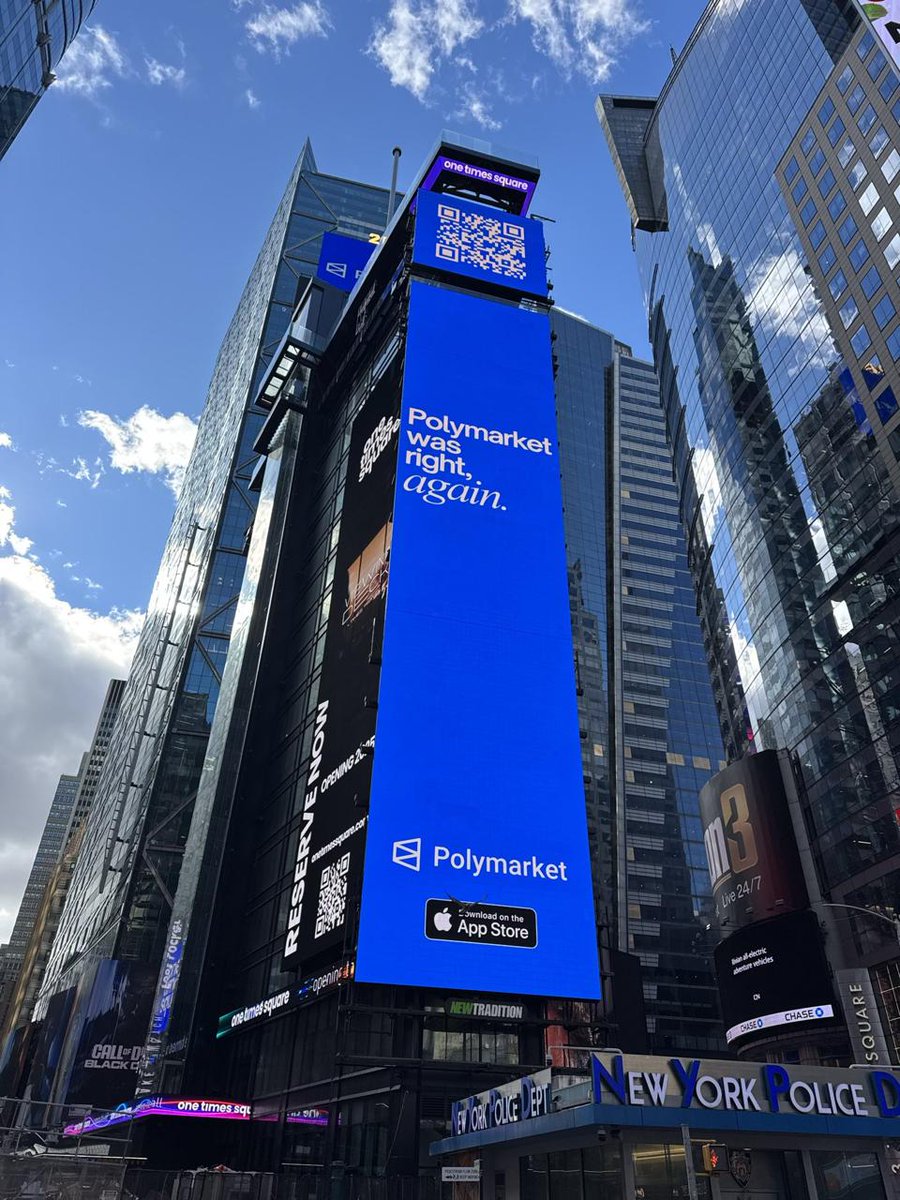
Polymarket and Kalshi, two of the most prominent prediction market platforms, are facing mounting regulatory challenges that threaten to reshape the sector's trajectory.
Despite their growing adoption among institutional traders as real-time macroeconomic indicators, both platforms are confronting legitimacy questions from regulators, according to a report from Unchained.
Regulatory Setbacks Mount
The setbacks come at a critical juncture for prediction markets, which have rapidly expanded beyond niche crypto circles into mainstream financial discourse. Polymarket, a blockchain-based platform that allows users to bet on the outcome of real-world events, and Kalshi, a CFTC-regulated exchange, have both encountered obstacles as regulators scrutinize the line between legitimate forecasting tools and unregulated gambling.
The regulatory landscape remains fragmented. While Kalshi has operated under CFTC oversight, ongoing disputes over which types of event contracts are permissible have created uncertainty. Polymarket, which operates onchain and has faced prior enforcement actions in the U.S., continues to navigate a complex legal environment as it scales globally.
Post from @ChairmanSeligView the original post on X↗
Institutional Adoption Accelerates Regardless
Despite the regulatory headwinds, prediction markets are gaining traction as real‑time macro tools among professional trading desks. Crypto‑native firms and traditional finance players alike have begun monitoring prediction market odds as a supplementary data source alongside conventional indicators.
The sector’s growth has been dramatic: combined trading volume across major platforms like Polymarket and Kalshi recently hit record highs of roughly $24.5 billion in a single month, with Kalshi contributing around $12.3 billion and Polymarket about $10.1 billion in March 2026 alone — a sharp increase from prior months and year‑ago levels.
Swiss digital asset bank Sygnum has noted that prediction markets are fast becoming a “macro radar” for institutional traders. The platforms have demonstrated their utility during high‑stakes geopolitical events — Iran war odds, for example, have swung sharply on prediction markets, providing traders with a crowd‑sourced probability gauge that updates faster than traditional polling or analyst forecasts.
Prediction markets are fast becoming macro radar for institutional traders. — Sygnum
This dual reality — growing institutional relevance paired with regulatory friction — defines the current state of the prediction market sector. Platforms are being used to price everything from Federal Reserve rate decisions to geopolitical conflict probabilities, yet the legal frameworks governing them remain unsettled.
What to Watch
The key question going forward is whether regulators will treat prediction markets as financial instruments deserving of clear regulatory pathways or attempt to restrict them as forms of gambling. The CFTC's stance on event contracts — and any potential legislative action from Congress — will likely set the tone for the sector in 2026.
For now, the prediction market space sits at a crossroads: institutional demand is rising, but the regulatory framework needed to support sustained growth remains a work in progress.
Post from @CryptoNewsHntrsView the original post on X↗
How platforms like Polymarket and Kalshi navigate these challenges will determine whether prediction markets cement their role in the broader financial ecosystem or face significant constraints.
Reporting by Blockster Newsdesk