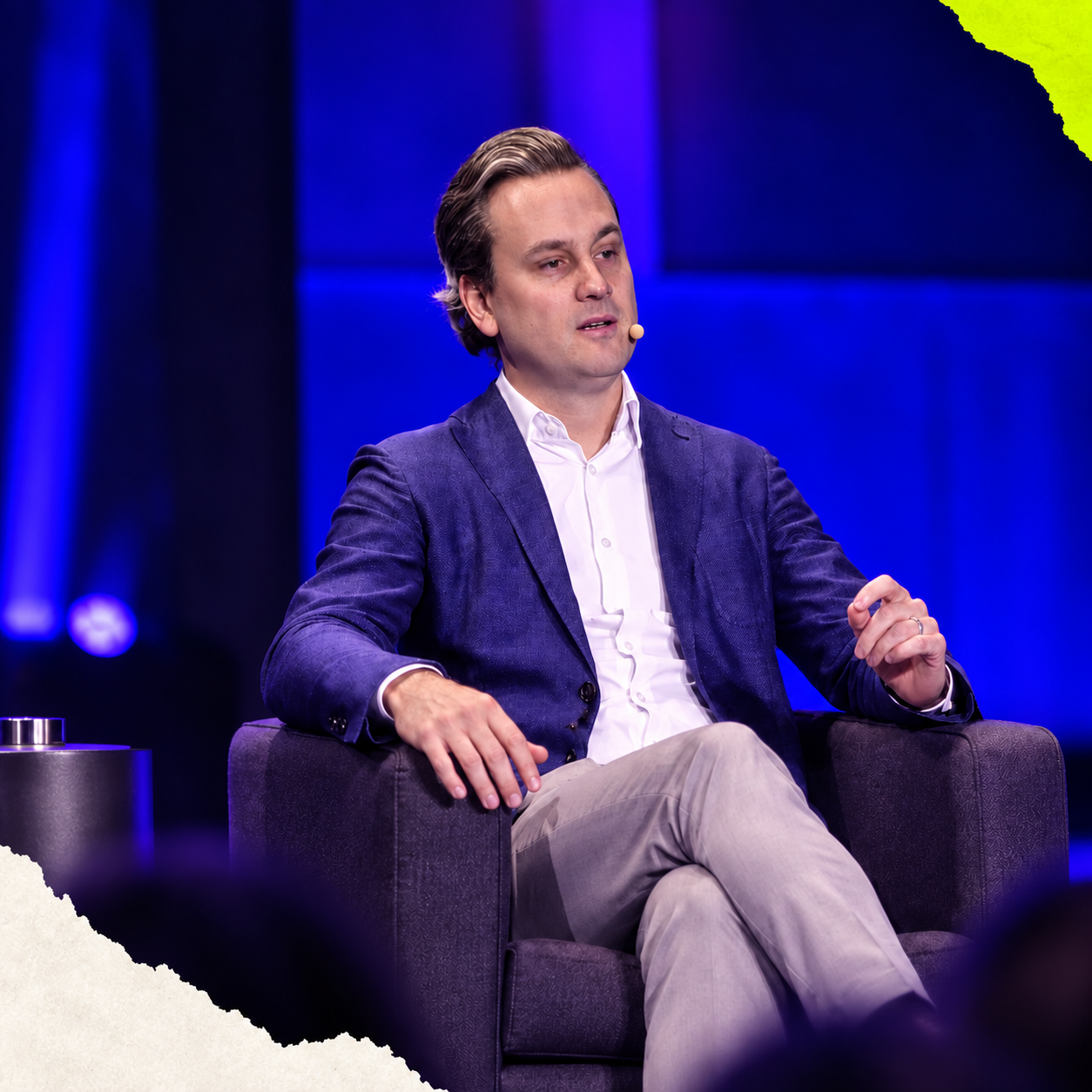

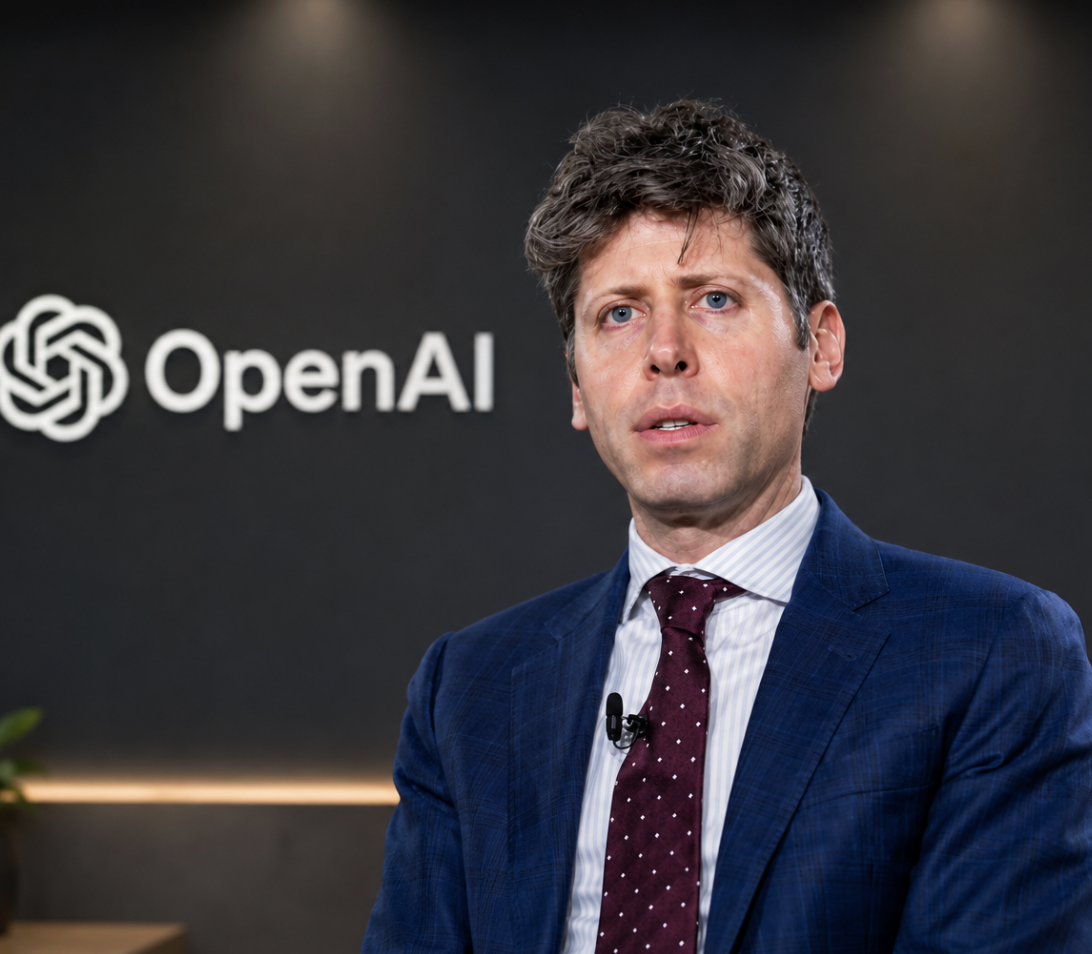
Should every American owned a piece of OpenAI? Just a year ago, that question would have sounded absurd. Today, it is reportedly being discussed inside one of the world's most valuable artificial intelligence companies.
According to the Financial Times, later confirmed by Reuters, OpenAI has floated the idea of giving the U.S. government a 5% equity stake (worth approx. $42.6 billion) and encouraging other leading AI companies to consider similar arrangements.
The proposal reportedly draws inspiration from Alaska's Permanent Fund, the state-owned investment fund that transformed oil revenues into one of America's most successful long-term public investment vehicles.
Whether the proposal ultimately happens is almost beside the point. The fact that one of the world's most influential AI companies is even entertaining the idea signals a profound shift in how AI is being viewed.
AI is no longer just another fast-growing technology sector. It is increasingly being treated as strategic infrastructure—something with implications for national security, economic competitiveness and long-term public prosperity.
Post from @FTView the original post on X↗
Three Very Different Visions of AI Ownership
OpenAI's reported proposal is relatively modest. A voluntary 5% equity contribution would give the public exposure to the long-term growth of AI companies while allowing them to remain privately operated.
Senator Bernie Sanders, by contrast, has proposed a far more ambitious approach. His legislation would establish an AI Sovereign Wealth Fund capitalized through a one-time 50% stock tax on the largest AI companies, with the goal of giving Americans a direct ownership stake in what he argues will become one of history's most valuable industries.
Meanwhile, President Donald Trump has publicly said his administration is exploring ways for Americans to benefit financially from AI's growth, and Reuters has reported on discussions around possible public ownership structures for major AI companies.The methods could hardly be more different.
One approach relies on voluntary participation. Another relies on legislation. Another appears focused on negotiated partnerships. Yet all three begin with the same underlying question: If AI creates trillions of dollars in new wealth, should ordinary Americans share directly in that value?
From Oil Wealth to AI Wealth
History offers an interesting comparison. Alaska transformed oil revenues into one of the world's best-known public investment funds. Instead of treating natural resources solely as a source of tax revenue, the state created a long-term asset that continues generating returns for future generations.
Artificial intelligence is obviously different from oil.
But if AI becomes the defining economic engine of the 21st century, some policymakers believe it should also create lasting public wealth rather than enriching only founders, venture capital firms and public shareholders.
An equity model changes the conversation. Instead of asking how much of AI's future profits should be taxed after they're earned, it asks whether citizens should own part of the productive asset from the beginning. That's a fundamentally different framework.
Ownership aligns citizens with long-term growth. As companies become more valuable, so does the public's stake.
Post from @ForbesView the original post on X↗
Beyond Universal Basic Income
Much of the discussion around artificial intelligence has focused on Universal Basic Income (UBI) as a possible response to automation. An AI investment fund points toward a different concept.
Rather than distributing income financed entirely through taxation, governments could potentially generate returns from long-term ownership in the companies building the AI economy.
Those returns could support public investment, retirement systems, citizen dividends or other national priorities.
Exactly how such a system would work—and whether it would work at all—remains uncertain. Questions around governance, competition, political influence and corporate independence would need careful answers before any model could succeed.
Still, it represents a different way of thinking about public participation in technological progress.
A Debate Worth Having
AI is becoming too important to remain just another technology sector. It is reshaping labor markets, education, healthcare, finance, defense and global competitiveness.
Governments around the world are already investing billions in AI infrastructure, semiconductor manufacturing and compute capacity because they increasingly view AI as a strategic national capability. If that trend continues, ownership may become the next frontier of the debate.
The proposal reported around OpenAI may ultimately go nowhere. Senator Sanders' legislation may never become law. Future administrations may pursue entirely different approaches. But the broader conversation has already begun.
For decades, Americans participated in the digital economy primarily as consumers. The next question may be whether they should also participate as owners.
Reporting by Lidia Yadlos