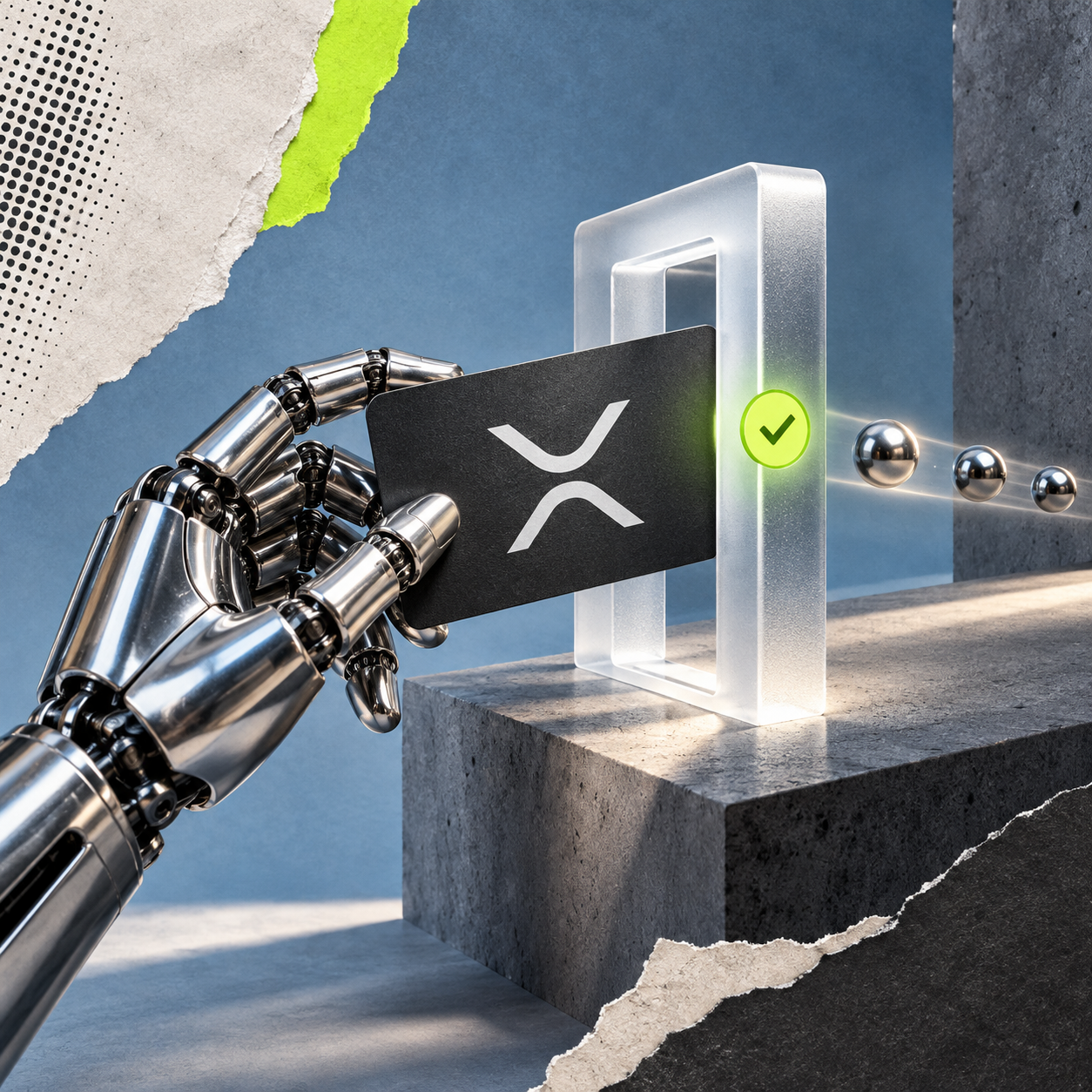


In October 2025, Google Cloud, AWS, and Anthropic adopted the x402 protocol, a decentralized blockchain-based payment standard built specifically for autonomous AI agents and machine-to-machine transactions. Designed to enable real-time, low-cost micropayments for API access, data, and compute, it does not require any human intermediaries.
So when it came to light that the largest cloud infrastructure providers in the world had standardized on a single payment rail (that too designed for AI agents to transact autonomously), the timeline for an agent-native financial economy became within an arm's reach quite tangibly.
In fact, the infrastructure for all of this is already available, with there being more than a million AI agents are live. Each of these entities represents a node in a financial network that requires payment rails, execution capabilities, and trust infrastructure to function.
And, while the x402 protocol addressed the payment layer, a parallel development, namely EIP-8004, emerged and took care of the execution and coordination side of things, that too within the Ethereum ecosystem directly.
Post from @CoinMarketCapView the original post on X↗
EIP-8004 and Why It Matters
EIP-8004 defines a standard interface through which AI agents can be discovered, called, and composed by other agents within the Ethereum network. Where a single agent interacting with smart contracts creates significant efficiencies for individual users, an ecosystem in which thousands of specialized agents can call, delegate to, and build on one another.
In all of this, serious DeFi participants managing positions across multiple L2 networks, interacting with liquidity pools, lending protocols, yield optimizers, and bridging infrastructure, have to bear a tremendous cognitive and operational load (be it monitoring positions, responding to market changes, preventing liquidations, and identifying yield).
AI agents built on standards like EIP-8004 close this gap immensely.
CoinFello is one such user-facing DeFi tool that serves as a composable node in Ethereum's emerging agent ecosystem. It is capable of being called by other AI agents, interoperating with other EIP-8004-compliant systems, and operating at the complexity level that a genuinely agent-native DeFi economy does (and will continue to) require.
The self-custody architecture is not a concession to caution but has been done so, keeping future AI trends in mind.
The founder, Jacob.eth, previously served as Lead of Operations at MetaMask with ConsenSys, the same wallet infrastructure that CoinFello integrates with at the account level. From the outside looking in, the platform appears to be built by people who understand both where the rails run and where they need to go.
Post from @CoinFelloView the original post on X↗
Understanding What the Market Needs
The crypto wallet market is projected to grow to $98.57 billion by 2034, meaning that platforms defining this spurt are not the ones offering the most features, but the ones resolving the core tension between capability and control.
CoinFello’s architecture — requiring explicit approval before execution, full self-custody, and native EIP-8004 compatibility — addresses this tension structurally rather than through marketing language alone.
As infrastructure for AI agent finance becomes more standardized, adoption will likely expand across major technology providers while integrating deeper into Ethereum’s protocol layer and broader onchain financial systems.
For DeFi users, the implication is practical, i.e., the tools available today are fundamentally different from those available just 18 months ago, and the gap between what an AI-native, standards-compliant platform can offer and what a traditional DeFi interface provides is widening with each infrastructure milestone.
In layman's terms, the agent-native financial economy is not some sci-fi type future that may befall us in the coming years, but one that is under construction. Platforms building natively within its standards are already operating and setting up the stage for what's to come tomorrow. One way or the other, interesting times ahead!
Reporting by Lidia Yadlos