

For much of the past year, traders operated under a simple assumption: when markets panicked over aggressive political rhetoric, there would eventually be a reversal.
That belief became known on Wall Street as the "TACO trade" — short for "Trump Always Chickens Out" — the idea that extreme policy threats would ultimately soften, creating buying opportunities for risk assets.
Now a different acronym is beginning to circulate across trading desks.
NACHO: Not A Chance Hormuz Opens.
According to research from Bitget Wallet, the shift from TACO to NACHO reflects something much larger than another market meme. It signals a growing realization that some crises cannot be resolved by a policy reversal, a negotiation headline, or a social media post.
Post from @BitgetWalletView the original post on X↗
Why Hormuz Changes Everything
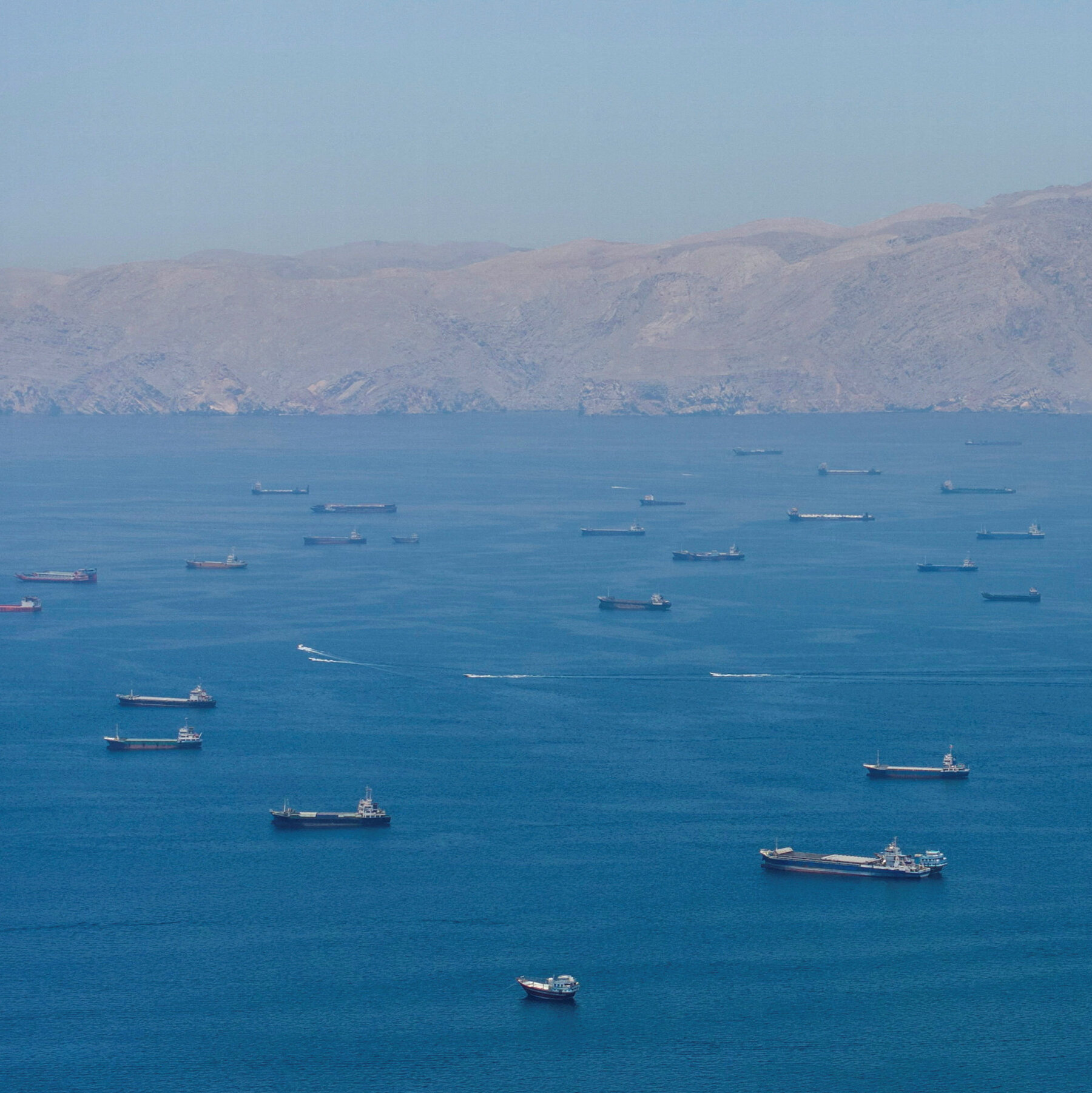
The Strait of Hormuz is one of the most important energy chokepoints in the world.
Roughly a quarter of global seaborne oil shipments and about a third of global LNG trade move through the narrow passage, making it critical infrastructure for the global economy.
Unlike tariffs or trade disputes, disruptions to Hormuz create physical bottlenecks.
Oil tankers cannot instantly reroute. Insurance markets cannot immediately normalize. Refineries cannot replenish inventories overnight. Even if political tensions ease, the real-world logistics behind global energy markets take significantly longer to recover.
That distinction sits at the heart of the NACHO thesis.
While the TACO trade was built around betting on political reversals, the NACHO trade focuses on supply constraints, shipping disruptions, and trust breakdowns that cannot be quickly repaired.
As Nobel Prize-winning economist Paul Krugman recently argued, reopening Hormuz requires far more than political willingness. It requires rebuilding shipping confidence, insurance coverage, energy inventories, and regional stability.
The Three Forces Driving the NACHO Trade
Bitget Wallet researchers argue that three major forces now sit at the center of the NACHO narrative.
The first is insurance.
As shipping risks rise, insurers demand significantly higher premiums to cover vessels operating near conflict zones. Even if tensions cool, those costs often remain elevated long after headlines fade.
The second is oil.
Brent crude has remained well above pre-crisis levels, with some analysts arguing prices could remain above $100 per barrel if Hormuz disruptions persist. Higher energy costs ripple throughout the global economy, affecting transportation, manufacturing, food production, and consumer prices.
The third is monetary policy.
Persistently high energy prices can keep inflation elevated, reducing the likelihood of aggressive interest-rate cuts from the Federal Reserve. That creates a "higher for longer" environment that historically pressures risk assets.
Together, those three forces create a very different macro backdrop than traders experienced during previous TACO-style market cycles.
Post from @BitgetWalletView the original post on X↗
What It Means for Crypto
The impact on crypto isn't necessarily straightforwardly bullish or bearish.
Instead, Bitget argues that NACHO represents a shift in how digital assets may be priced.
If energy-driven inflation remains elevated, expectations for lower interest rates could be pushed further into the future. Higher yields and tighter liquidity conditions typically reduce appetite for speculative assets, creating headwinds for cryptocurrencies and growth-oriented sectors.
That could place pressure on high-beta assets including Bitcoin, Ethereum, and many altcoins.
At the same time, the environment may increase interest in stablecoin yield products, tokenized Treasury assets, and other real-world asset strategies that benefit from higher rates.
The report also suggests Bitcoin's "digital gold" narrative could face another important test.
During periods of acute market stress, investors often prioritize cash and liquidity first. Historically, Bitcoin has frequently traded more like a risk asset during those initial phases.
However, if inflation, sovereign debt concerns, and currency debasement become longer-term market themes, Bitcoin's store-of-value narrative could regain strength.
A More Macro-Driven Crypto Market
One of the biggest takeaways from the NACHO framework is that crypto investors may need to spend more time watching macroeconomic indicators and less time focusing solely on token-specific narratives.
Oil prices, inflation data, Federal Reserve policy, Treasury yields, and global liquidity conditions are increasingly influencing crypto market behavior.
As institutional participation grows and digital assets become more integrated into global financial markets, the boundaries between crypto and macro continue to blur.
For Bitget Wallet, the transition from TACO to NACHO ultimately represents a broader shift in market thinking.
The old playbook assumed every crisis would end with a policy reversal and a V-shaped recovery.
Post from @BitgetWalletView the original post on X↗
The new one assumes some disruptions are structural, slower-moving, and far more difficult to unwind.
And if that proves true, crypto traders may need to start thinking less like crypto natives and more like macro investors.
Reporting by Lidia Yadlos