

Ethereum is entering one of the most important periods in its history. While developers prepare the network for its biggest architectural overhaul since The Merge, institutional investors are quietly accumulating ETH at a pace rarely seen before.
Together, those two trends suggest Ethereum is evolving on two fronts at once: its technology is being rebuilt for the next decade while large investors are increasingly treating ETH as a strategic financial asset.
This week, Bitmine Immersion Technologies, chaired by Tom Lee, disclosed it had purchased another 42,197 ETH, bringing its treasury to approximately 5.74 million ETH, or roughly 4.8% of Ethereum's circulating supply. At current market prices, the company's holdings exceed $10 billion, putting it within reach of its goal of controlling 5% of all ETH in circulation.
Loading tweet...
View Tweet
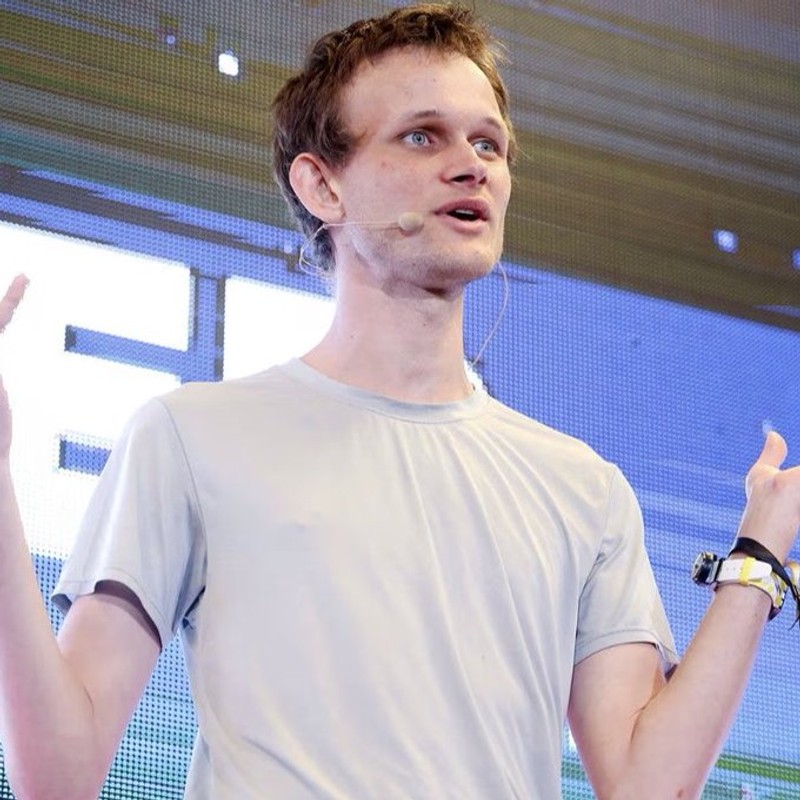
At almost the same time, Vitalik Buterin unveiled an updated roadmap for Ethereum that he described as the network's biggest redesign since its transition to Proof-of-Stake. The proposal, known as Lean Ethereum, would reshape nearly every major part of the protocol over the next three to four years while preparing the network for an era defined by privacy, scalability and quantum-resistant cryptography.
Ethereum's Biggest Upgrade Since The Merge
Speaking after a gathering of Ethereum researchers in Berlin, Buterin said Ethereum is entering what he considers its third major chapter. Rather than introducing another incremental upgrade, the roadmap proposes replacing "almost every major piece of the protocol" over time without forcing developers to migrate existing applications.
Among the most significant proposals is the introduction of recursive STARK proofs, allowing Ethereum to verify the network through compact cryptographic proofs rather than requiring every node to execute every transaction. The roadmap also explores faster consensus, multidimensional gas pricing and, eventually, replacing today's Ethereum Virtual Machine with a more efficient RISC-V architecture.