

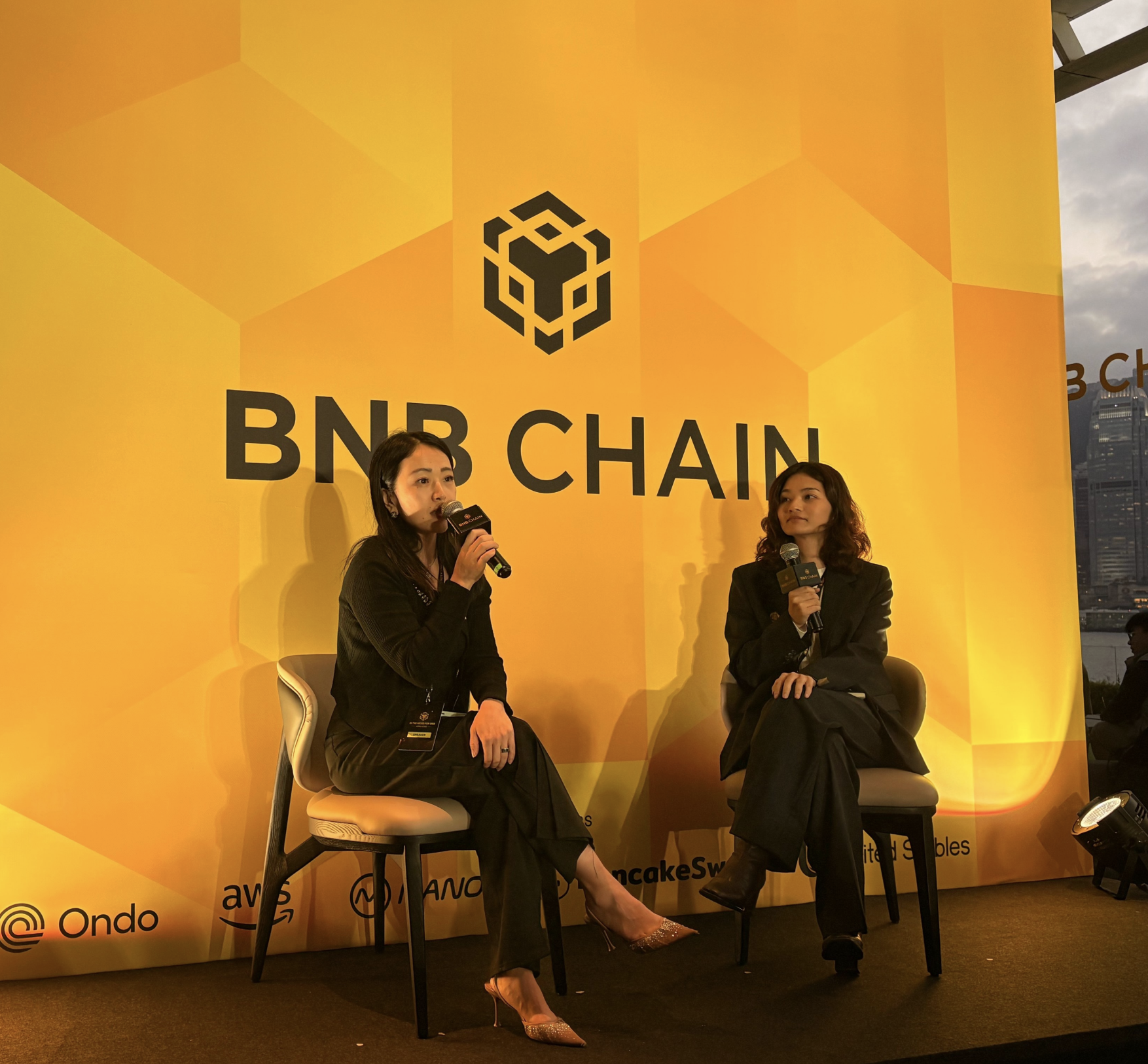
YZi Labs — the investment arm backed by Binance co-founder Changpeng Zhao — has committed $100 million to Hash Global’s BNB-focused fund.
—
For years, BNB was framed primarily as an exchange token — useful for fee discounts and ecosystem perks. That framing no longer captures its role.
BNB today sits at roughly an $85 billion market cap, ranking among the largest digital assets globally. It powers one of the most active blockchain ecosystems in crypto, with:
5+ million daily active users
760+ million unique addresses
A sprawling DeFi, NFT, and onchain services economy
Hash Global’s BNB fund — launched in June — reportedly delivered a 32.5% return by late August. That performance matters. But what matters more is how institutions are accessing it.
Post from @yzilabsView the original post on X↗
Participation in the fund allows institutions to allocate capital into BNB through an institutional-grade framework — aligning with the ecosystem over the long term rather than trading volatility.
Ella Zhang, head of YZi Labs, described BNB as a “foundational utility asset with attractive yield, powering the future of financial infrastructure.” That language isn’t casual. It reframes BNB as yield-bearing infrastructure — not speculative inventory.
The Structural Capital Shift
Over the past cycle, capital rushed into tokens first and built narratives later. This cycle looks different. Now, capital is entering through funds. Through vehicles. Through governance-aligned structures. Through validators and ecosystem partnerships.
Hash Global — founded in 2018 and an early validator on BNB Chain — manages both primary and secondary market funds. Its positioning isn’t opportunistic. It’s ecosystem-native.
YZi Labs, meanwhile, continues deploying capital across Web3, AI, and biotech. That cross-sector thesis matters. Infrastructure tokens that generate network activity and cash flow characteristics are increasingly being analyzed alongside productive tech assets — not meme-driven instruments.
And BNB, for better or worse, functions as a proxy for one of the largest crypto exchanges in the world.
Post from @ellazhang516View the original post on X↗
What This Really Signals
The headline says $100 million. Institutional capital is no longer asking whether crypto will integrate with traditional finance. It’s asking which ecosystems generate sustainable structural returns.
BNB sits at the intersection of:
Exchange liquidity
Onchain settlement
Developer infrastructure
Fee capture and burn mechanics
Structured capital flowing into that layer suggests something bigger than a trade. It suggests conviction in the durability of Binance’s ecosystem architecture.
Whether one is bullish or skeptical on centralized exchange-linked tokens, this allocation underscores a broader reality: large capital prefers productive networks over narrative cycles.
Reporting by Lidia Yadlos