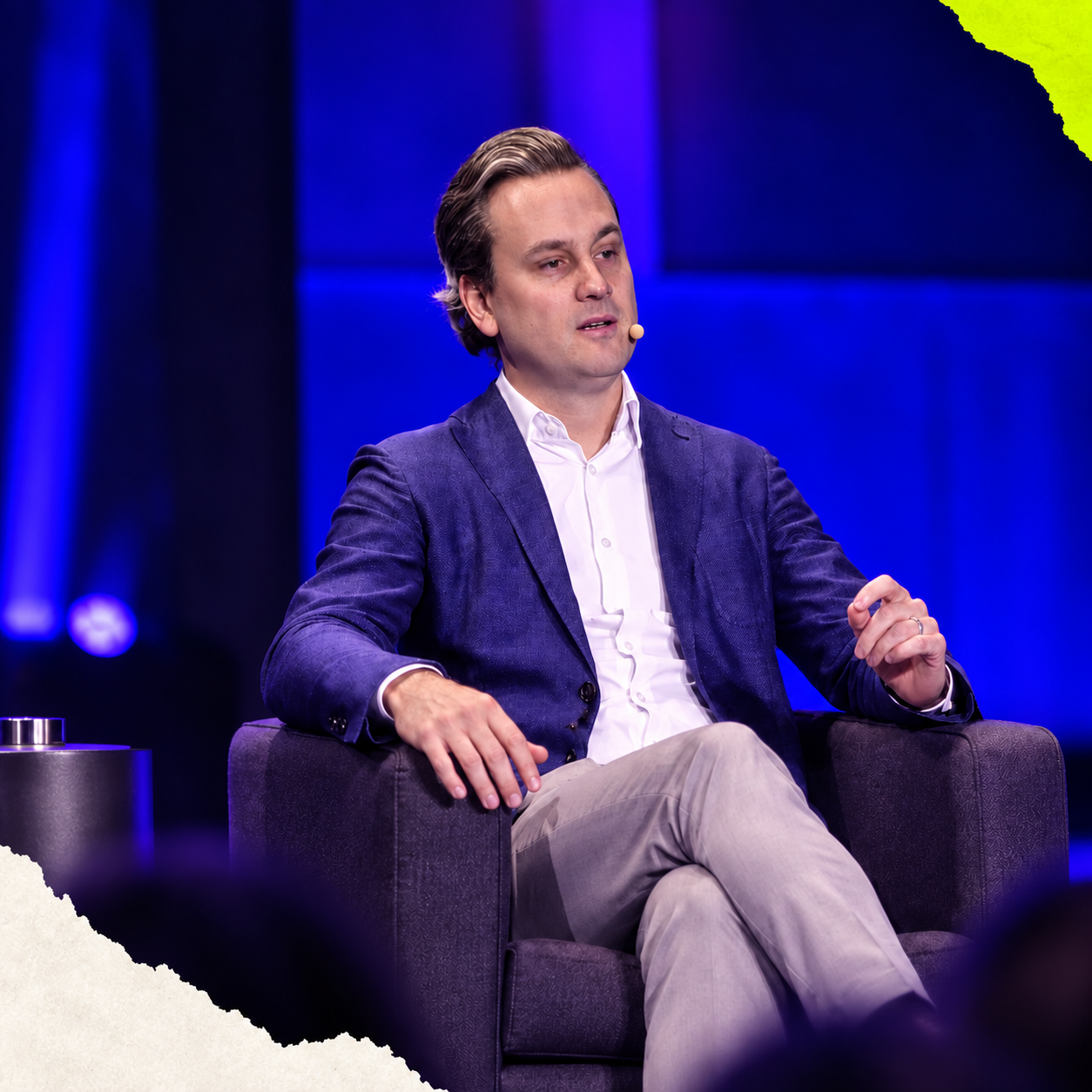

Earlier this month at Consensus Miami, one of the more revealing themes emerging beneath the noise of token launches, AI infrastructure panels, and memecoin speculation centered around something the industry nearly gave up on entirely: crypto lending.
Just a few years ago, the sector looked irreparably damaged.
The collapses of Celsius Network, BlockFi, and Voyager Digital erased billions in customer funds and shattered confidence in yield platforms across the industry. What had once been pitched as the future of decentralized finance became one of crypto’s clearest examples of leverage spiraling out of control.
“We’ve grown to become the second-largest crypto lender in the world,” said Nexo US COO Neil Steinhardt during an interview with Blockster. “And with a little bit of the regulatory clarity that’s been coming, we determined that it’s a good time to come back into the United States.”
According to multiple industry estimates, crypto-backed lending has rebounded into a market worth more than $70 billion globally after collapsing during the 2022 credit crisis. The recovery is increasingly being driven by institutional participation, Bitcoin-backed borrowing, and the broader normalization of digital assets inside traditional finance.
That shift may say as much about the broader evolution of crypto markets as it does about Nexo itself.
Founded in 2018, Nexo became one of the few major crypto lenders to survive the industry-wide collapse that followed the 2021 bull market. While competitors imploded under liquidity crises and aggressive risk exposure, Nexo pulled back from the U.S. in 2022 and focused on international expansion instead.
Now, just weeks into its American relaunch, the company is re-entering a market that looks dramatically different from the one it left behind.
Post from @NexoView the original post on X↗
The Industry Is Starting to Sound Like Private Banking
Consensus made one thing increasingly clear: crypto companies are no longer speaking the language of disruption alone. The language now is wealth management.
Relationship managers. Portfolio diversification. Capital efficiency. Structured yield. Liquidity access.
The crypto industry increasingly sounds less like a rebellion against traditional finance and more like a digital extension of it.
“We do very high-touch,” Steinhardt explained. “We have relationship managers. We have people that are going to help you make good decisions about your assets.”
That positioning reflects a much broader shift happening across crypto finance right now. Unlike the previous cycle, however, much of the conversation is now centered around stability rather than aggressive growth.
“We’re happy to be one of the last men standing,” Steinhardt said. “Because we do it right. And we’re built to be here for the long term.”
Borrowing Against Crypto Instead of Selling It
One of the central themes throughout the conversation was something increasingly attractive to wealthy crypto holders: accessing liquidity without liquidating assets.
For investors sitting on large Bitcoin or Ethereum positions, selling can trigger major taxable events depending on jurisdiction. Crypto-backed lending platforms offer an alternative structure — borrowing against digital assets while maintaining exposure to long-term upside.
“People like to grow their assets and they don’t want to have to sell them,” Steinhardt said. “If you can borrow against it, then you access your liquidity without liquidating your assets.”
That strategy is hardly unique to crypto. Ultra-high-net-worth investors in traditional finance have long borrowed against appreciating assets like equities, real estate, and private holdings to unlock liquidity while avoiding immediate capital gains taxes.
Crypto lending platforms are now attempting to bring similar mechanics into digital asset markets. And increasingly, the target audience is shifting toward investors who already think like wealth-management clients rather than speculative traders.
“There’s different options on the platform,” Steinhardt explained. “There’s fixed-term products, open-ended products, loan products — depending on where you are and how you want to configure your portfolio.”
Post from @NexoView the original post on X↗
Crypto’s Biggest Problem Was Never Technology
One of the more interesting moments during the interview came when the conversation shifted away from crypto itself and toward infrastructure.
Steinhardt argued that most users ultimately care less about blockchain mechanics and more about whether the systems simply work.
“People want to know that they tapped their phone and everything worked,” he said. “They want to know their assets are safe and secure.”
That framing increasingly reflects where the industry itself appears to be heading.
For years, crypto conversations revolved around decentralization, tokenomics, and replacing legacy financial systems entirely. But as adoption expands, infrastructure reliability and trust are becoming far more important than ideology.
“I was speaking at a blockchain fundraiser recently,” Steinhardt recalled. “And I said, do people really want to understand how blockchain works? At the end of the day, they want their assets moving quickly, efficiently, with low fees. That should be the extent of the blockchain conversation.”
In many ways, that may explain why institutional adoption has accelerated so rapidly over the past year.
The technology itself is increasingly fading into the background.
TradFi and Crypto Are No Longer Separate Worlds
Consensus Miami this year looked noticeably more institutional than previous cycles.
Large asset managers, fintech firms, banks, and infrastructure providers dominated many of the conversations around digital assets. The focus was increasingly on stablecoins, tokenized real-world assets, settlement rails, and AI-driven financial infrastructure rather than speculative trading alone.
Steinhardt described it as a “real interesting convergence of TradFi and crypto.” That convergence is becoming harder to ignore.
BlackRock, Fidelity Investments, and JPMorgan Chase have all expanded digital asset initiatives, while spot Bitcoin ETFs helped normalize crypto exposure for traditional investors. Even major banks that once dismissed the sector are now exploring tokenization and blockchain-based settlement infrastructure.
At the same time, macroeconomic instability continues pushing parts of the world toward alternative stores of value.
Steinhardt pointed specifically to inflation and currency instability in Latin America as an example of why digital assets continue gaining traction internationally.
Post from @NexoView the original post on X↗
“We just did an acquisition in Argentina,” he said. “And people there understand very clearly that digital currency can be a hedge against inflation.”
Then came one of the sharper lines from the conversation: “You should understand more about fiat,” he joked. “Because fiat doesn’t work the way people think it’s working.”
Crypto Lending’s Second Act
Nexo’s aggressive branding push also reflects how crypto companies are repositioning themselves in this new environment.
The company has expanded visibility through sponsorships tied to the Dallas Open, Formula One partnerships, and golf tournaments — all aimed at reaching affluent investors and institutional audiences outside traditional crypto circles.
That strategy feels intentional. Crypto firms are increasingly trying to look less like startups and more like established financial institutions.
And after the chaos of the last cycle, survival itself has become a form of credibility. “We’re here,” Steinhardt said. “And we’re invested in growing our brand and letting people know that.”
Post from @NexoView the original post on X↗
At Consensus 2026, crypto lending no longer looked like an experimental corner of digital finance. It looked increasingly like the early architecture of a parallel wealth management system — one being rebuilt, more cautiously this time, on blockchain rails.
Reporting by Lidia Yadlos