
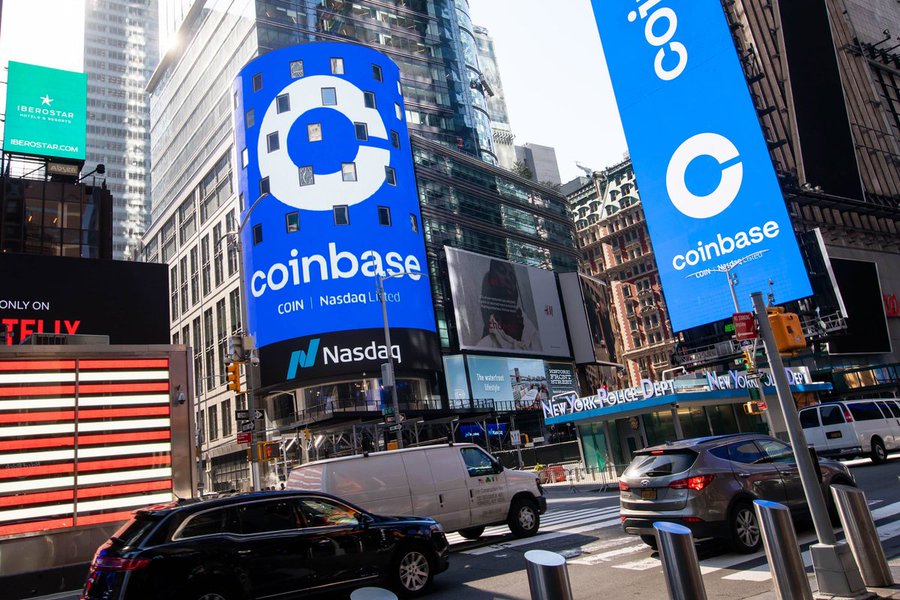
Coinbase holds more Bitcoin than any single entity on the planet. Not Strategy (formerly MicroStrategy). Not BlackRock. Not any government. A single exchange — one company, one set of private keys, one point of failure — custodies millions of BTC on behalf of its users and institutional clients.
—
Add Binance and BlackRock's iShares Bitcoin Trust to the mix, and you're looking at a concentration of the circulating supply that would make Satoshi wince.
This isn't a hit piece on any of these companies. They're doing exactly what the market is asking them to do. But the data demands an honest conversation about what "decentralized money" actually means when a handful of custodians sit on top of it like modern-day vaults.
The Numbers Don't Lie
Between Coinbase's custodial wallets (serving retail users and acting as custodian for most U.S. spot Bitcoin ETFs, including BlackRock's IBIT), Binance's massive global user base, and the growing pile of BTC locked inside ETF structures, we're watching Bitcoin's ownership layer consolidate in real time. Strategy's corporate treasury holdings — impressive as they are — pale in comparison to what these custodial giants control.
Post from @simplykashifView the original post on X↗
Here's the structural issue: BlackRock doesn't technically "hold" Bitcoin the way Strategy does. IBIT shares represent claims on BTC custodied by... Coinbase. So when you hear that both Coinbase and BlackRock are among the largest Bitcoin holders, understand that those numbers overlap significantly. Coinbase is the gravitational center of institutional Bitcoin in the United States. That's an extraordinary amount of trust placed in one company.
We've Seen This Movie Before
Traditional finance works exactly like this. You don't hold your stocks — DTCC does. You don't hold your cash — your bank does (and lends most of it out). The entire legacy system is built on layers of custodians, each extracting fees and each representing a chokepoint where governments can freeze, seize, or surveil your assets.
Bitcoin was engineered to eliminate this dependency. The whitepaper's very first line references "peer-to-peer electronic cash." Not peer-to-Coinbase-to-BlackRock-to-peer. Every satoshi sitting in a custodial wallet is a satoshi that has been voluntarily re-inserted into the old system's architecture. The asset is decentralized. The ownership layer increasingly is not.
Not your keys, not your coins. It was never just a meme — it's the entire security model.
What This Means for You
None of this means ETFs or exchanges are evil. They're onramps, and they've brought unprecedented capital into Bitcoin. The ETF wave alone has been a massive demand catalyst. But onramps should be temporary. The goal was always self-custody — taking personal responsibility for your financial sovereignty.
The tools have never been better. Hardware wallets are cheap, multisig setups are accessible, and collaborative custody solutions let you hold your own keys with institutional-grade security. If you're leaving significant BTC on an exchange in 2026, you're making a choice — and you should make it consciously, not out of laziness.
Institutional accumulation is a sign of Bitcoin's success. But if that success just rebuilds JPMorgan with extra steps, we've missed the plot. The protocol is sound. The question is whether we use it the way it was designed — or hand it right back to the same gatekeepers Bitcoin was built to route around.
Reporting by Blockster Newsdesk