
Crypto payments in the Philippines just took another step toward everyday utility.
Philippine crypto platform Coins.ph has expanded its QRPh payment system to support Bitcoin (BTC) and Ethereum (ETH), allowing users to spend the two largest cryptocurrencies at an estimated 700,000 merchants nationwide.
The move builds on the company's earlier launch of USDT-powered QRPh payments, which integrated stablecoins directly into the country's national QR payment infrastructure. Now, Bitcoin and Ethereum holders can use the same system without needing to manually convert their assets into Philippine pesos before making a purchase.
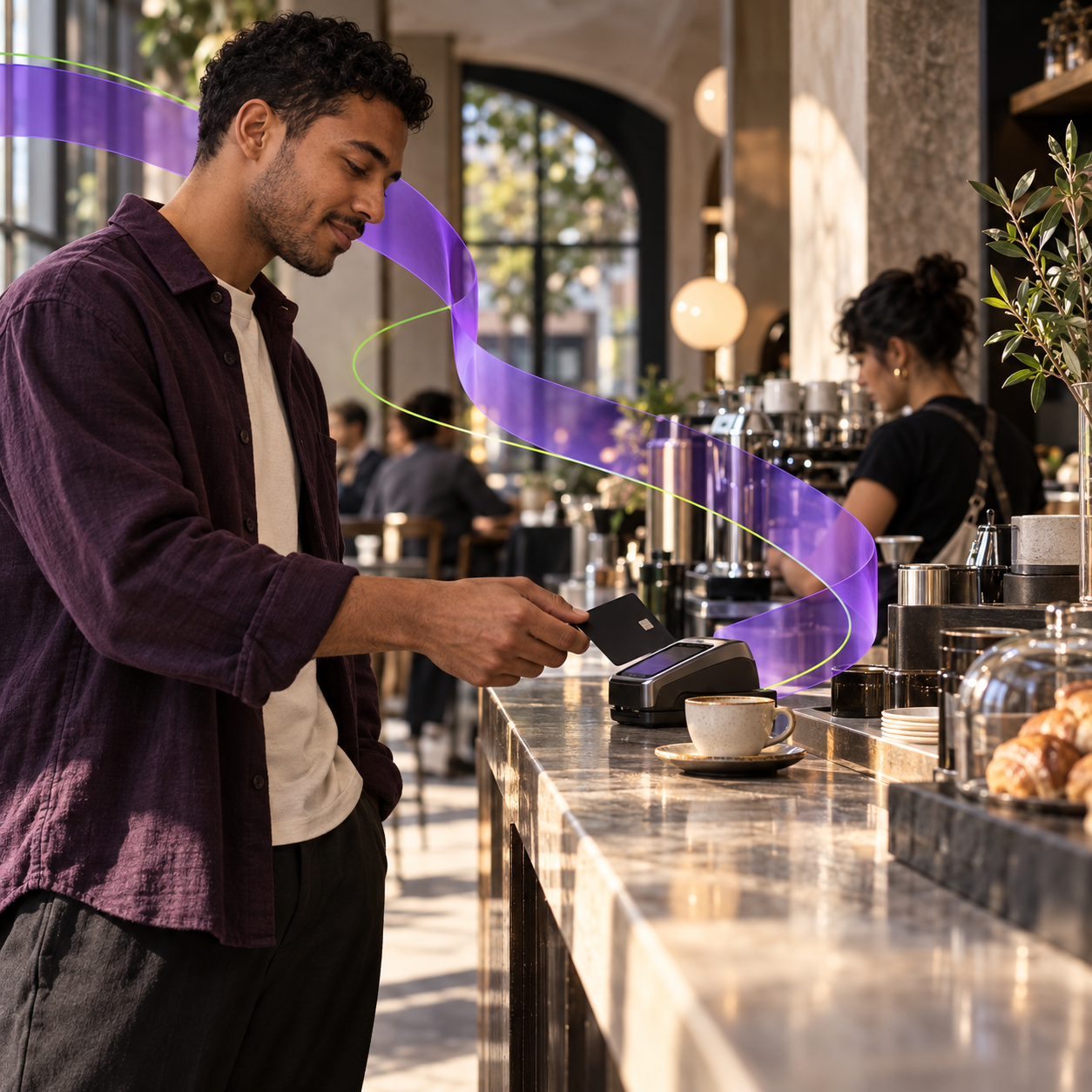
Instead, users simply scan a QRPh code at checkout, and the platform automatically converts their crypto into pesos behind the scenes.
Post from @coinsphView the original post on X↗
Turning Crypto Into a Payment Rail
While Bitcoin and Ethereum are often viewed primarily as investment assets, Coins.ph is betting that digital currencies can become part of everyday commerce.
The integration connects crypto balances directly to QRPh, the national QR code standard developed by the Bangko Sentral ng Pilipinas. The system is already widely used across banks, e-wallets, and merchants throughout the country, making it one of the largest payment networks in the Philippines.
For consumers, the experience remains identical to a traditional QR payment. The difference is that the funds can now originate from a crypto wallet.
The expansion also reflects a broader trend across the digital asset industry as companies increasingly focus on real-world payment use cases rather than purely speculative trading activity.
Why Stablecoins Still Matter
Although Bitcoin and Ethereum have now joined the network, stablecoins remain a major part of the strategy.
The Philippines receives roughly $38 billion annually in remittances from overseas workers, making it one of the largest remittance markets in the world. Stablecoins have emerged as an increasingly popular tool for moving value across borders due to their speed, lower costs, and ability to settle outside traditional banking hours.
By connecting stablecoin balances directly to QRPh, recipients can receive digital dollars and spend them immediately within the local economy without additional conversion steps.
The addition of BTC and ETH broadens the range of supported assets while preserving the same checkout experience.
Post from @coinsphView the original post on X↗
From Trading App to Financial Super App
According to Wei Zhou, the expansion represents more than simply adding new cryptocurrencies.
"We aren't just adding new tokens; we are redefining what a digital wallet can do. This is the future of finance in action and we're making the world's most popular cryptocurrencies a functional part of Filipino daily life."
The company says the rollout follows strong adoption of its initial USDT payment functionality, which marked the first time a Philippine digital wallet enabled direct crypto payments through the country's national QR framework.
Crypto Adoption Continues to Grow
The Philippines has become one of the world's most active crypto markets, with estimates suggesting more than 15 million Filipinos have used digital assets. That represents roughly 13.4% of the country's population and places the nation among the global leaders in crypto adoption.
As regulators increasingly explore frameworks for digital assets and stablecoins, infrastructure projects like QRPh may provide a glimpse into how crypto moves beyond exchanges and into everyday financial activity.
Post from @coinsphView the original post on X↗
For Coins.ph, the goal appears increasingly clear: make crypto spendable anywhere a Filipino can scan a QR code.
By combining crypto wallets, stablecoin settlement, local payment rails, and automatic currency conversion, the company is positioning digital assets less as an alternative financial system and more as another layer within the existing one.
Reporting by Lidia Yadlos