
Nearly 90 startups crossed the $1 billion valuation mark during the first half of 2026, but the headline number masks a much bigger shift taking place across venture capital. According to TechCrunch, which compiled the latest unicorn list using data from Crunchbase and PitchBook, artificial intelligence companies dominate this year's class of billion-dollar startups—but not in the way many people might expect.
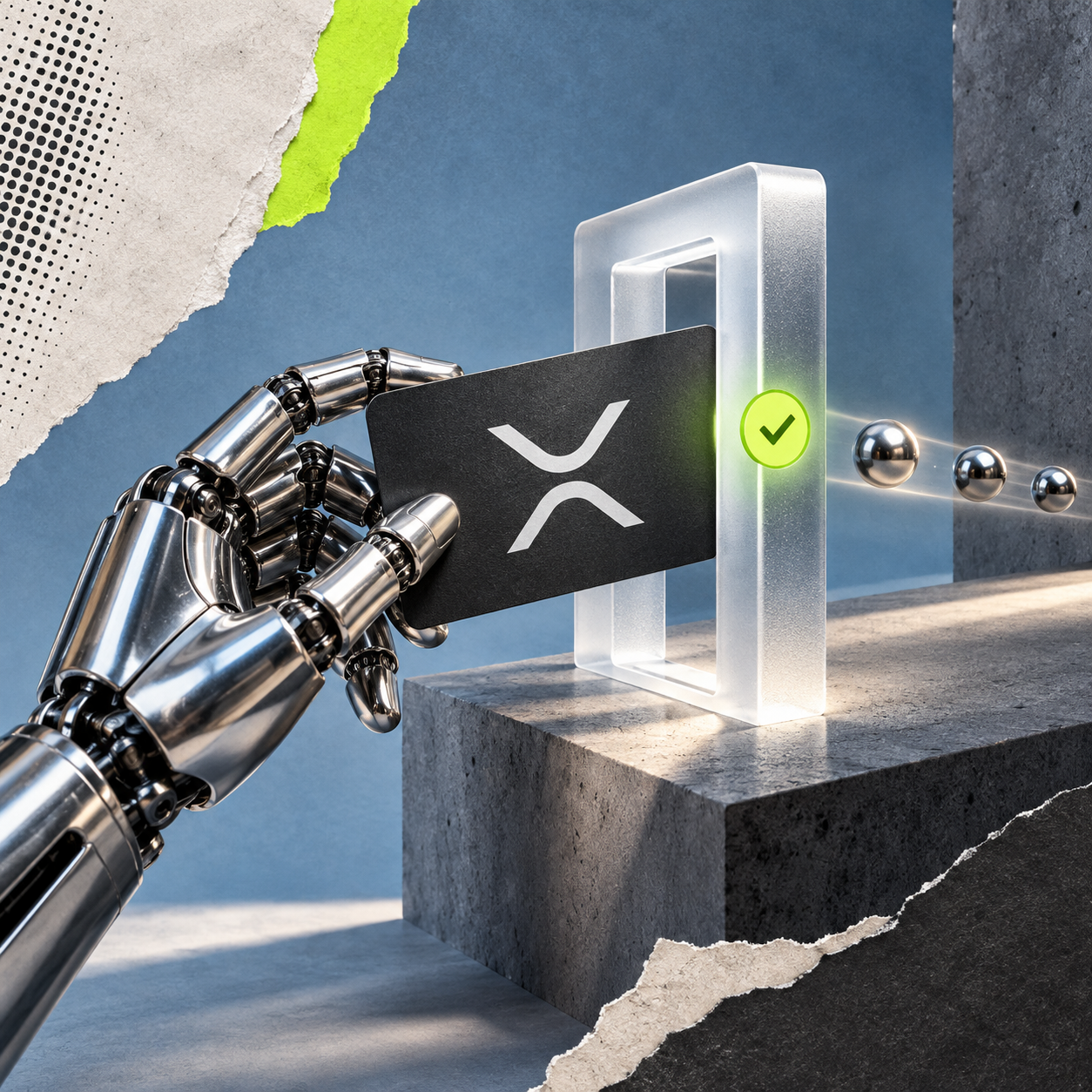
The biggest winners are no longer consumer AI applications. Instead, investors are concentrating capital into the infrastructure that will power the next generation of artificial intelligence—robotics, enterprise software, cybersecurity, semiconductors, AI coding platforms and cloud infrastructure.
That trend is reflected not only in the latest unicorns but also in broader funding data. Crunchbase estimates that global startup investment reached a record $510 billion during the first half of 2026, driven largely by AI, while startup exits also rebounded sharply after several quieter years.
AI Is Becoming Every Industry
One of the biggest misconceptions about today's AI boom is that venture capital is simply funding another generation of chatbot companies.
The newest unicorns tell a very different story. Former OpenAI CTO Mira Murati's Thinking Machines Lab quickly reached a valuation of around $10 billion, while companies including Anysphere, Gecko Robotics, Abridge, Hippocratic AI, Chainguard, Linear, Mercor, Meter and Netradyne all crossed the billion-dollar threshold by solving problems across healthcare, robotics, cybersecurity, software development and enterprise infrastructure.
Post from @TechCrunchView the original post on X↗
Rather than creating a separate AI industry, artificial intelligence is becoming embedded into nearly every existing one. Healthcare companies are using AI to improve diagnostics and patient care. Robotics firms are automating industrial operations.
Cybersecurity companies are using machine learning to defend increasingly complex digital environments. Enterprise software providers are rebuilding productivity around AI-native workflows.
Infrastructure Is Becoming the New Gold Rush
Perhaps the biggest winner isn't artificial intelligence itself—it's the companies building the tools everyone else will depend on.
Many of this year's fastest-growing startups aren't creating consumer products at all. They're building AI coding assistants, networking platforms, deployment infrastructure, robotics operating systems and next-generation chips that enable thousands of other businesses to build AI products of their own.
Post from @CointelegraphView the original post on X↗
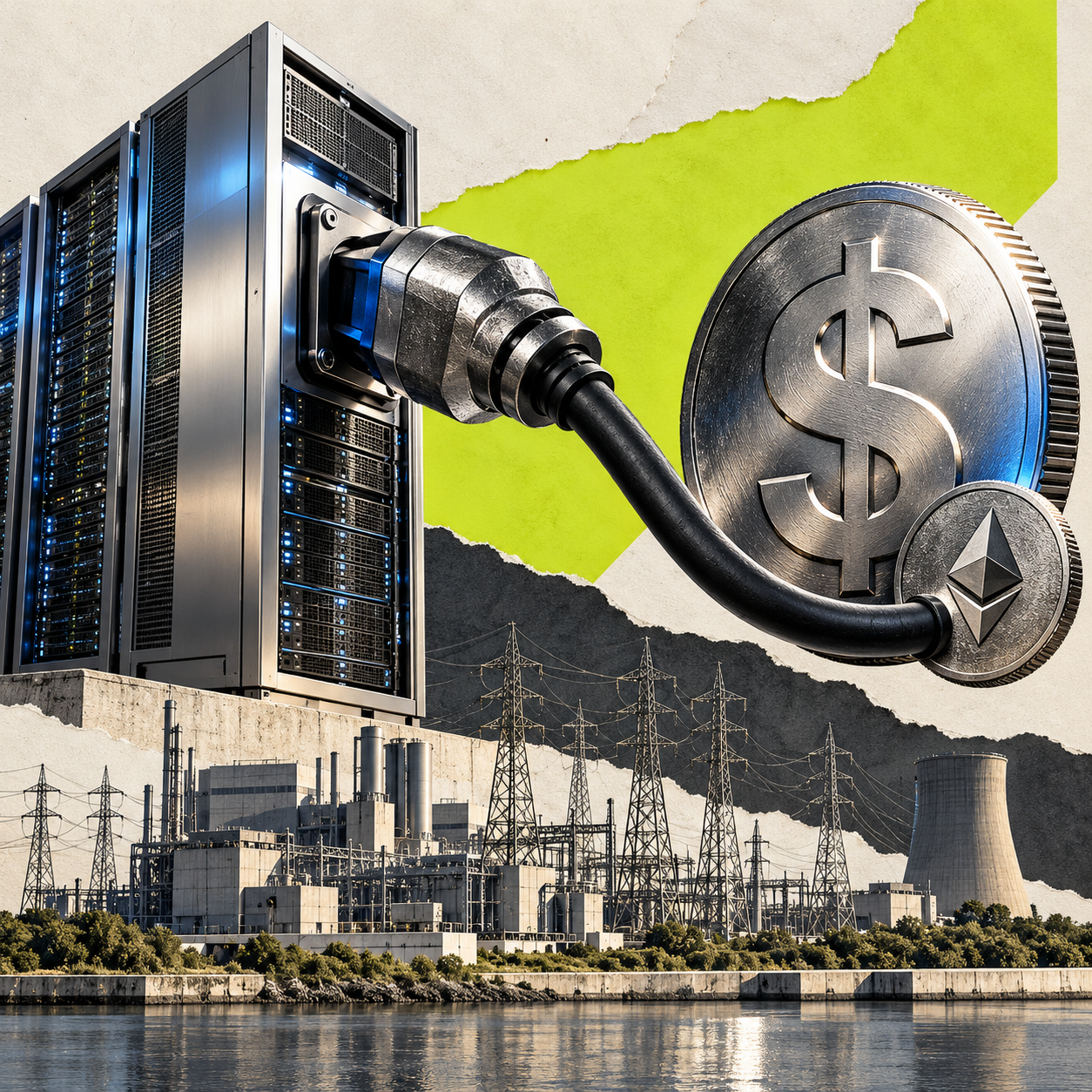
That mirrors a broader shift taking place across global capital markets. As hyperscalers race to expand AI capacity, banks and investors are increasingly financing the infrastructure behind that growth—from data centers and networking equipment to semiconductor manufacturing and power generation.
Reuters recently reported that financing demand linked to AI infrastructure is reshaping global debt markets as companies invest hundreds of billions of dollars to support the next wave of computing.
Crypto Quietly Remains in the Mix
Although artificial intelligence dominates this year's headlines, crypto continues producing billion-dollar companies of its own.
Prediction market Kalshi and blockchain compliance platform TRM Labs both joined the latest unicorn class, reflecting continued investor interest in financial infrastructure rather than speculative trading platforms. That mirrors a broader evolution within digital assets, where venture funding is increasingly flowing toward compliance, institutional custody, tokenization and payments instead of consumer exchanges alone.
Post from @Rifat_EEView the original post on X↗
The Picks and Shovels Economy
History suggests that the biggest fortunes during major technological shifts aren't always created by the companies everyone is talking about.
During the California Gold Rush, many of the greatest fortunes were built not by miners searching for gold but by businesses supplying the tools, equipment and infrastructure they relied on.
The first half of 2026 suggests venture capital sees artificial intelligence the same way. Rather than chasing the next viral application, investors are increasingly backing the companies building the foundations of the AI economy. If the current funding cycle continues, the biggest winners of the AI revolution may ultimately be the businesses selling the picks and shovels—not the ones digging for gold.
Reporting by Lidia Yadlos