
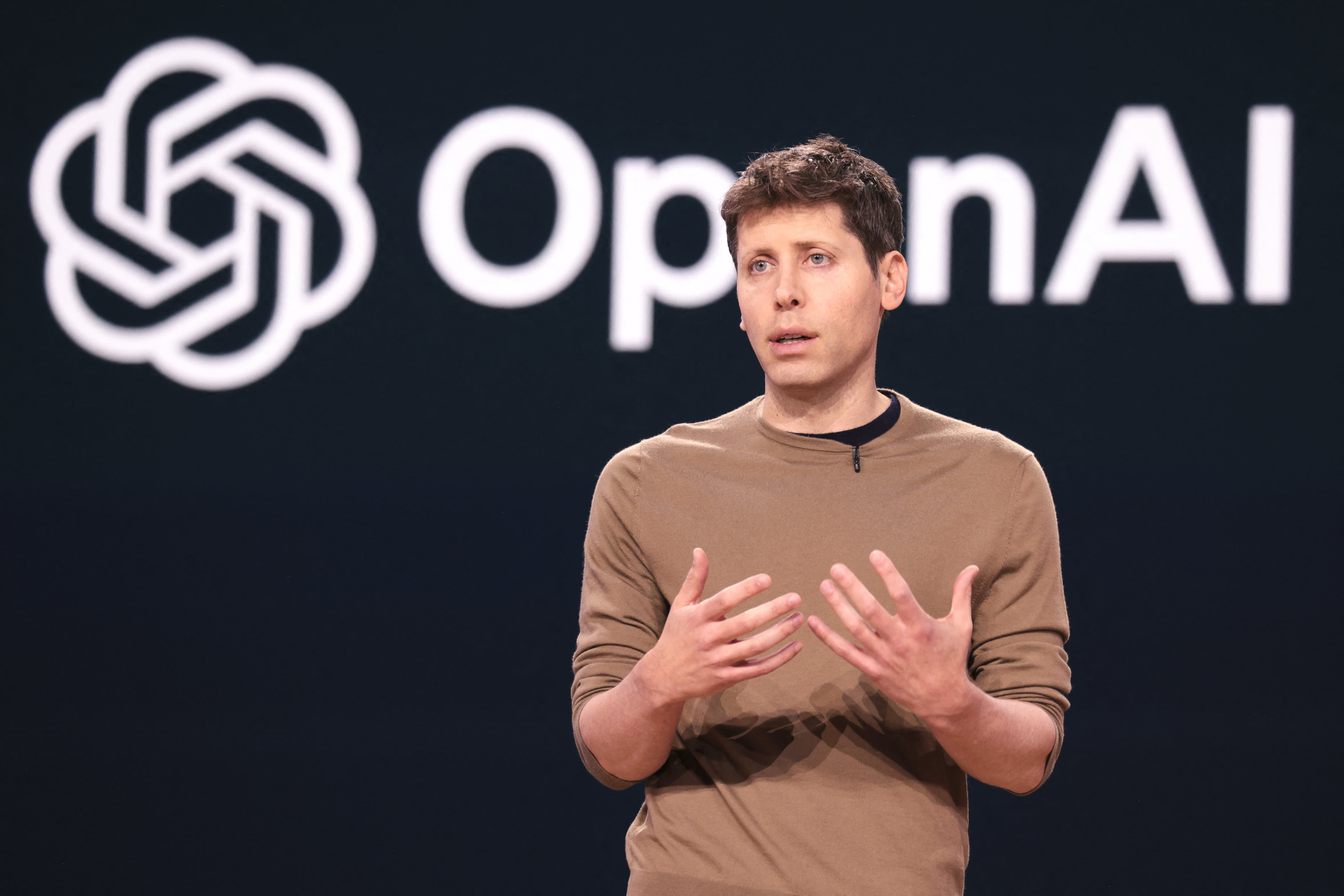
One hundred and ten billion dollars. That's what OpenAI just raised in a single funding round — more than the entire market cap of most Layer 1 blockchains combined. It's the largest private capital raise in history, and it's sending a very clear signal about where institutional money wants to be right now.
—
According to AMBCrypto's analysis, the sheer gravitational pull of AI funding is widening what they call a "conviction gap" between crypto and traditional equities. Institutional allocators — the pension funds, sovereign wealth vehicles, and mega-VCs — are routing capital toward AI infrastructure at a pace that makes even the 2021 crypto boom look quaint. Crypto projects competing for the same institutional dollars are feeling the squeeze.
Follow the Money, Then Ask Who Benefits
Here's what the "AI vs. crypto" capital flow narrative misses: these two technologies aren't competing to solve the same problem. They're building in opposite directions. AI concentrates intelligence, data, and decision-making power into the hands of a few corporate gatekeepers. Crypto distributes it. OpenAI's $110 billion doesn't just fund better language models — it funds a future where a handful of companies mediate how billions of people access information, create content, and interact with the digital economy.
That's not a knock on AI as technology. It's an observation about power architecture. When Sam Altman raises $110 billion from sovereign wealth funds and Big Tech partners, he's building a centralized intelligence layer that will sit on top of the entire internet. The question crypto natives should be asking isn't "why aren't we getting that money?" — it's "who builds the counterweight?"
Post from @r0ck3t23View the original post on X↗
The Conviction Gap Is Real — But Misdiagnosed
Yes, institutional capital is chasing AI right now. That's undeniable. But framing this as a "headwind for crypto" assumes crypto and AI are competing for the same thesis. They're not.
AI is a productivity bet. Crypto is a sovereignty bet. One promises to make corporations more efficient. The other promises to make individuals more free. These are fundamentally different value propositions, and they attract fundamentally different kinds of conviction.
The institutions piling into OpenAI aren't the ones who were ever going to fund decentralized infrastructure with any real commitment. They want returns denominated in control — platform lock-in, data moats, regulatory capture. That's the TradFi playbook, and AI fits it perfectly. Crypto never did.
The capital that matters for crypto was never institutional allocation — it's the builder capital, the onchain capital, the capital that moves because people actually believe in self-sovereignty.
What Actually Matters Here
If anything, OpenAI's mega-raise should sharpen crypto's focus. The industry spent too much of the last cycle chasing institutional validation — begging for ETF approvals, courting banks, trying to look "respectable" to the same allocators now writing $110 billion checks to centralized AI. Maybe the lesson is simpler than we think: build things people use, not things institutions approve of.
DeFi protocols processing billions in volume. Stablecoins settling more value than Visa in some corridors. Onchain identity, governance, and coordination tools that have no AI equivalent. The crypto economy doesn't need to out-raise OpenAI. It needs to keep building the infrastructure that makes centralized AI accountable — or at least optional.
A hundred and ten billion buys a lot of GPUs. It doesn't buy individual sovereignty. That's still priced in sats.
Reporting by Blockster Newsdesk